








The Prison of Public Opinion
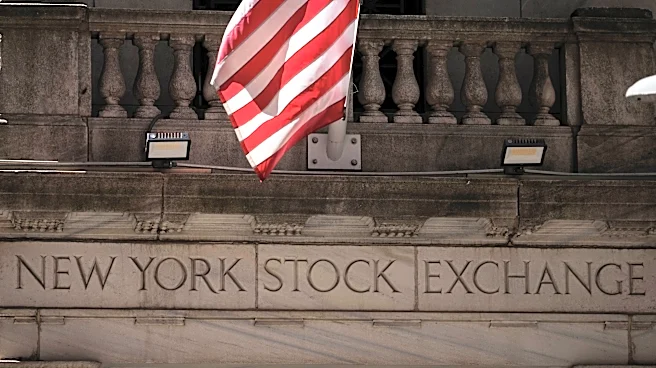
Cast your mind back to the early 2010s. Dell was in a tough spot. Once the king of the PC world, the company was being battered by the rise of smartphones and tablets. Its stock was stagnating, and Wall Street was losing patience. Every quarter brought
intense pressure to boost PC sales and cut costs, leaving little room for the kind of radical, long-term reinvention the company desperately needed. Michael Dell argued that the constant scrutiny from public markets was a straitjacket, preventing the company from making the big, risky bets necessary for survival and future growth. The company was trying to pivot to enterprise services but was still judged primarily on its legacy PC business.
The Great Escape of 2013
The solution was audacious. In 2013, Michael Dell, in partnership with private equity firm Silver Lake, orchestrated a massive $24.9 billion deal to buy out Dell's public shareholders and take the company private. At the time, it was the largest leveraged buyout since the financial crisis. This move effectively took Dell off the stock market, freeing it from the tyranny of quarterly earnings reports and activist investors. It was a declaration of independence. By going private, Dell gave itself the breathing room to execute a multi-year transformation strategy without having to justify every move to an impatient Wall Street. Michael Dell's ownership stake jumped to 75%, putting him firmly in control of his company's destiny.
A Private Transformation
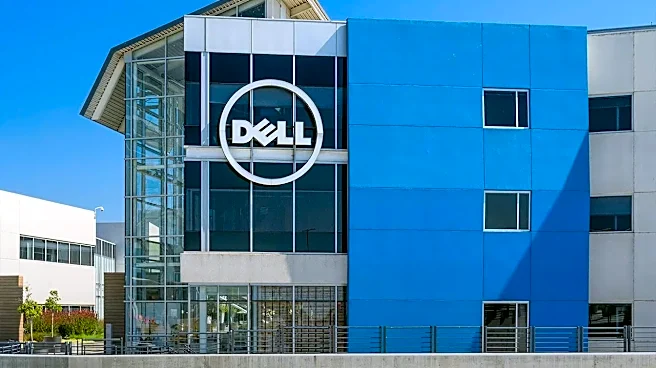
With the freedom of privacy, Dell made its most transformative move. In 2016, the company announced the acquisition of EMC Corporation for an astonishing $67 billion—the largest tech acquisition in history at the time. This single deal completely remade the company. EMC was a giant in enterprise data storage, and the acquisition also gave Dell a controlling stake in VMware, a leader in cloud infrastructure and virtualization software. Suddenly, Dell wasn't just a PC company anymore. It was a powerhouse in the foundational pillars of the modern data center: servers, storage, and virtualization. This was a bet that would have been almost impossible to pull off under the glare of public ownership, given the massive debt required and the long-term payoff horizon.
A Different Company Returns
After five years of operating in the shadows, a dramatically different Dell Technologies returned to the public market in December 2018. It didn't use a traditional IPO. Instead, it executed a complex financial maneuver involving its VMware tracking stock. The company that emerged was a streamlined enterprise giant. It had shed its reputation as a struggling PC maker and was now a comprehensive provider of IT infrastructure, from the desktop to the data center. The market was initially cautious, but the underlying strategic shift was undeniable. The company was no longer playing defense in the PC market; it was on offense in the much larger and more lucrative enterprise and cloud sectors.
Riding the AI Wave
This brings us to today. The strategic pivot to enterprise hardware and data center infrastructure positioned Dell perfectly for the artificial intelligence gold rush. Modern AI applications require immense computing power, and Dell builds the high-performance servers, packed with GPUs from partners like Nvidia, that form the backbone of this revolution. The company is now a dominant force in the AI server market, with a multi-billion dollar backlog for its AI-optimized hardware. This is the direct payoff of that 'single decision' in 2013. Taking the company private allowed Dell to acquire the enterprise DNA of EMC, which ultimately enabled it to build the essential hardware for the AI era and send its market cap soaring.