








1. Tumblr: The Cautionary Tale of Acquisition
The most direct parallel to the Geocities saga is Tumblr. Founded in 2007, its vibrant, image-heavy, community-driven platform became a cultural force. In 2013, Yahoo—the same company that bought and later shuttered Geocities—acquired Tumblr for $1.1
billion with a famous promise not to “screw it up.” Yet, the corporate marriage was fraught. Attempts to monetize the platform clashed with its fiercely anti-corporate user base. After Yahoo itself was acquired by Verizon, Tumblr was sold off in 2019 for a reported price of less than $3 million to Automattic, the parent company of WordPress. It's a stark lesson in how even a massive price tag can't guarantee a successful integration when corporate culture fails to understand the community it has purchased.
2. Flickr: The Ghost of a Beloved Community
Flickr’s story is another chapter in the Yahoo book of missed opportunities. An early photo-sharing pioneer beloved by photographers, Flickr was a thriving community acquired by Yahoo in 2005 for around $25 million. For a time, it blossomed. But under Yahoo, and later Verizon, it suffered from neglect. While new visual platforms like Instagram and Pinterest exploded, Flickr languished, losing its dominant position. It was eventually sold to SmugMug in 2018, which has since been working to rekindle its community focus by appealing to photographers willing to pay for a premium service. Flickr’s journey is a reminder that owning a community isn't enough; you have to continually invest in what made it special or watch it fade away.
3. Reddit: The Unruly Digital Metropolis
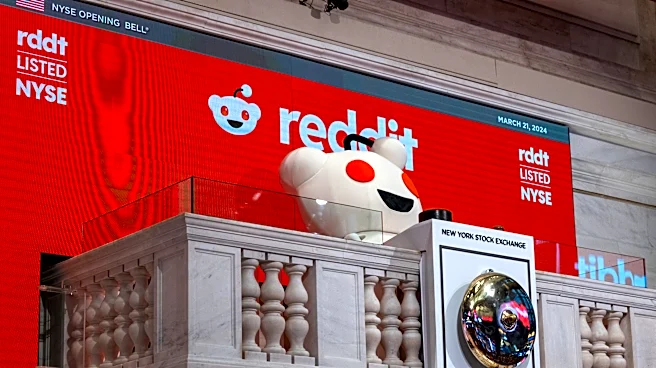
If Geocities was a collection of digital “neighborhoods,” Reddit is a sprawling, chaotic megacity of over 100,000 active “subreddit” communities. Like its spiritual ancestor, Reddit's value is generated entirely by its users, who create, share, and moderate nearly all the content. This has also created its central business challenge: how do you monetize authentic human conversation without destroying it? The platform's culture is famously skeptical of traditional advertising, and its attempts to tighten control and increase revenue—such as changes to its API pricing—have often sparked massive user and moderator revolts. Reddit's 2024 IPO put this tension on full display, making it a live case study in balancing community goodwill with the financial demands of Wall Street.
4. TikTok: The Explosive Cultural Phenomenon
While the others on this list echo Geocities' struggles, TikTok channels its explosive, chaotic rise. In the mid-90s, Geocities was one of the most visited sites on the web, a place of dizzying, user-generated creativity. TikTok mirrors that energy in the modern era. Its algorithm democratized content creation, allowing unknown users to achieve massive viral fame overnight—a feat nearly impossible on more established platforms. It has defined a new form of digital expression and reshaped internet culture, forcing giants like Instagram and YouTube to play catch-up with their own short-form video features. Like Geocities, TikTok has demonstrated how a new platform can rapidly capture the public imagination and become the internet's center of gravity, defining a generation of self-expression.
5. Discord: The Modern Community Hub
Discord began as a chat tool for gamers but has evolved into something much broader, a modern parallel to the community-building spirit of Geocities. Its platform is built around user-run “servers” that function as topic-specific hubs for everything from book clubs and study groups to brand fan communities. Unlike ad-heavy social media, Discord's business model is primarily based on premium subscriptions for enhanced features (“Nitro” and server boosts), which allows the core experience to remain user-focused. This approach directly confronts the core problem that plagued early internet platforms: how to build a sustainable business without alienating the community that gives the platform its value. Discord's success suggests a potential path forward, one centered on utility that users are willing to pay for directly.