


If you learned to code or administer networks on your own, you likely memorized a key fact: the MAC address is a permanent, unique hardware identifier. For decades, that was true enough. But a crucial change has made that belief dangerously obsolete.
The Textbook MAC Address You Already Know
Let's start with the basics everyone learns. A Media Access Control (MAC) address is a 48-bit number hardcoded into a device's network interface controller (NIC) by the manufacturer. It’s often called the 'physical' or 'hardware' address. It looks something like `00:1A:2B:3C:4D:5E`. The first half, the Organizationally Unique Identifier (OUI), identifies the manufacturer—like Apple, Intel, or Cisco. The second half is a unique serial number assigned by that company. On a local network, this address is fundamental, ensuring data packets get from the router to your specific laptop and not your roommate's smart fridge. Unlike an IP address, which can change every time you connect, the MAC was designed to be permanent for the life of the device.
The 'Permanent' Myth and Early Cracks
The idea of a permanent, unchangeable MAC address has always been more of a guideline than a strict rule. For years, tech-savvy users have been able to 'spoof' their MAC address, using software to broadcast a different address than the one burned into their hardware. This was often done to bypass network filters that restrict access based on a device's MAC address—a security method that was only effective against the uninformed. But this required manual effort and was a niche practice. For most intents and purposes, engineers could build systems assuming a device's MAC address would be a stable, reliable identifier. That assumption is now the source of a massive blind spot.
The Hidden Detail: Aggressive MAC Randomization
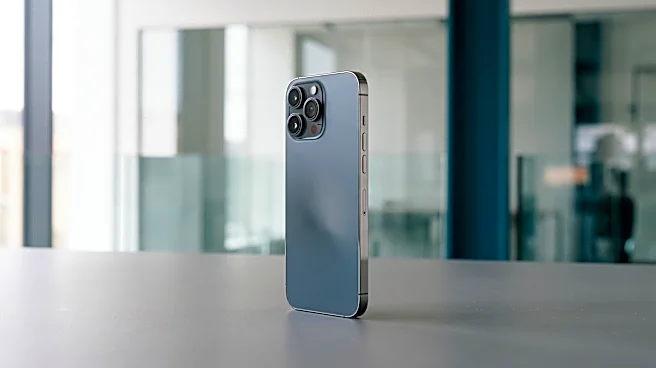
The single most important detail most self-taught (and even formally-trained) engineers miss today is MAC address randomization. It’s not just possible anymore; it's the default, automatic behavior on virtually all modern mobile operating systems, including Apple's iOS and Google's Android. Introduced as a major privacy feature, randomization automatically hides a device's real hardware MAC address and uses a temporary, randomly generated one instead. The goal is to prevent your device from being tracked across different Wi-Fi networks. Without it, a business could log your phone's unique MAC address every time you walk past their store, building a detailed history of your movements without your consent.
How It Works and Why It Breaks Things
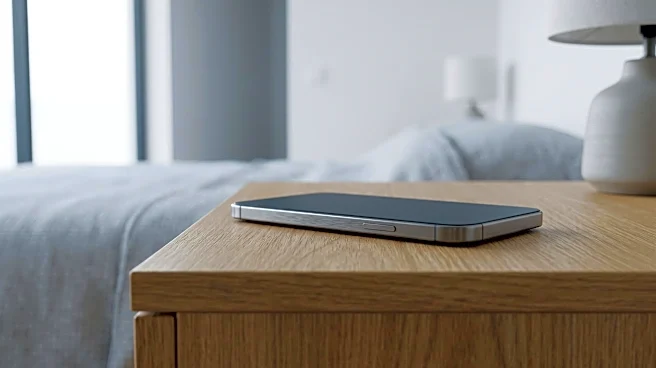
When your phone scans for or connects to a Wi_Fi network, it no longer uses its real MAC address. Instead, the operating system generates a new, private address for that specific network. When you connect to your home Wi_Fi, it uses one random MAC. When you connect to the coffee shop's Wi_Fi, it uses a different one. This completely breaks any system that relies on the MAC address as a persistent device identifier. Captive portals at hotels and airports that remember your device for 24 hours? They no longer can, forcing you to log in repeatedly. Network security that whitelists approved devices by MAC address? It's now unreliable. Analytics that count unique devices based on MACs? Those numbers are now massively inflated. A single iPhone might appear as a dozen different devices over time.
What This Means for Today's Engineers
If you're an engineer building software or managing networks, clinging to the old MAC address model is a recipe for failure. Any system that uses a MAC address to identify, track, or authenticate a specific device is built on a faulty premise. The 'hidden detail' is that the MAC address is no longer a device identifier; it's a temporary session identifier, at best. This requires a fundamental shift in thinking. Instead of relying on a Layer 2 hardware address, modern systems must use more robust, higher_level methods for authentication, such as 802.1X, or user_based identity systems. The MAC address had a long run as a trusty, static fingerprint, but its era as a reliable unique identifier is definitively over.