





The AI Revenue Explosion
On the surface, Microsoft's artificial intelligence business is a runaway success. The company’s cloud platform, Azure, has surpassed $100 billion in annual revenue, with growth significantly driven by AI services. Products like Microsoft 365 Copilot,
an AI assistant embedded in Word, Excel, and Teams, have already secured over 30 million paid seats. This has created a powerful narrative: businesses are clamoring for AI, and Microsoft is cashing in. The demand for its AI services, particularly from its landmark partner OpenAI, is so high that it often exceeds the company's available capacity. This revenue surge is a clear signal that the AI revolution is not just hype; it's a tangible, multi-billion-dollar market. But that's only half of the equation.
The Billion-Dollar Shopping Spree for Silicon
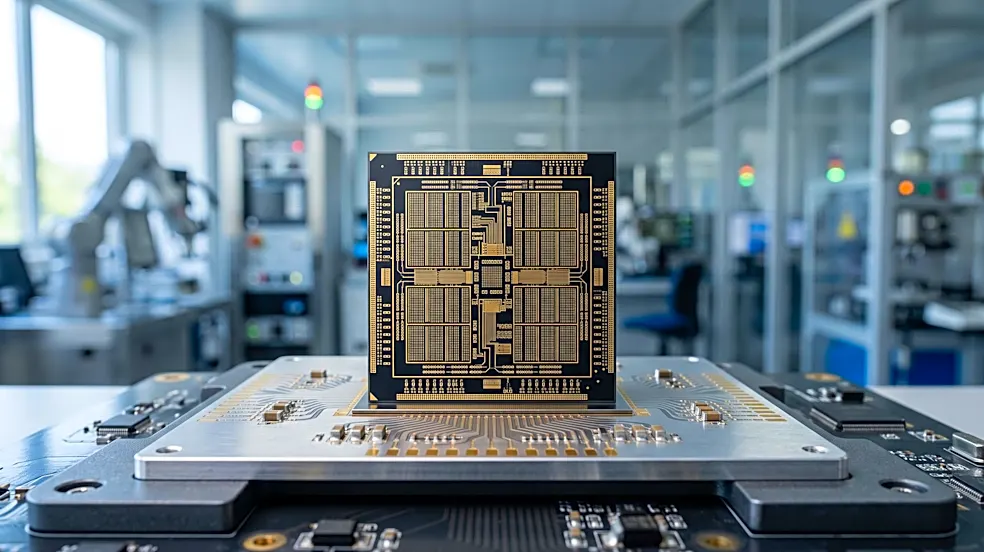
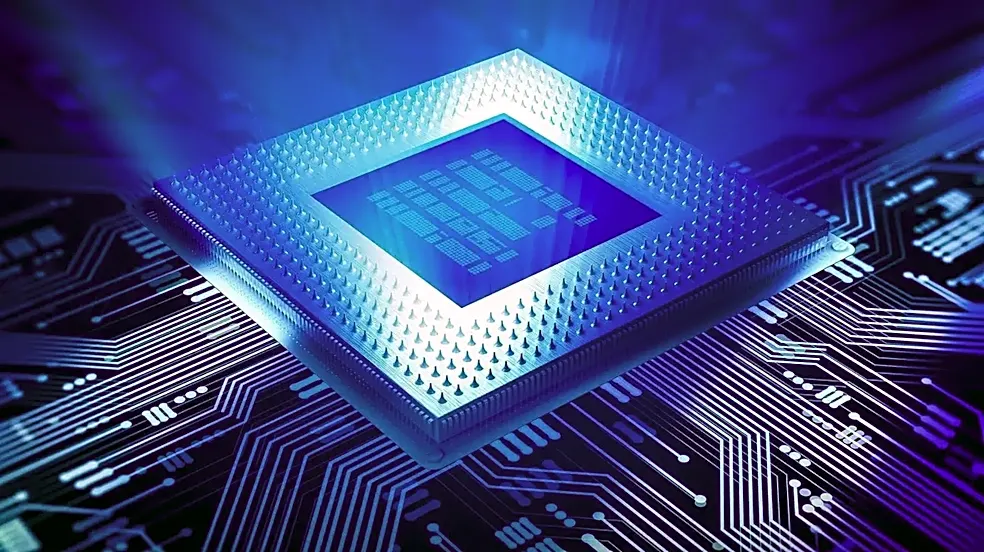
Generating that impressive AI revenue requires an astronomical upfront investment, primarily in one thing: specialized computer chips. Training and running large AI models, the kind that power services like Copilot, demands immense computational power. This means buying tens of thousands of high-end graphics processing units (GPUs), mostly from Nvidia. These aren't the chips in your gaming console; they are bespoke, high-performance processors that can cost tens of thousands of dollars each. Microsoft's capital expenditures—the money it spends on physical assets—have skyrocketed, reaching an estimated $116 billion in fiscal 2026, up nearly 80% in a single year. A significant chunk of that spending goes directly to these GPUs and the servers that house them, creating a massive cost center that eats into profits before a single customer logs on.
Building the 'Factories' of the AI Age
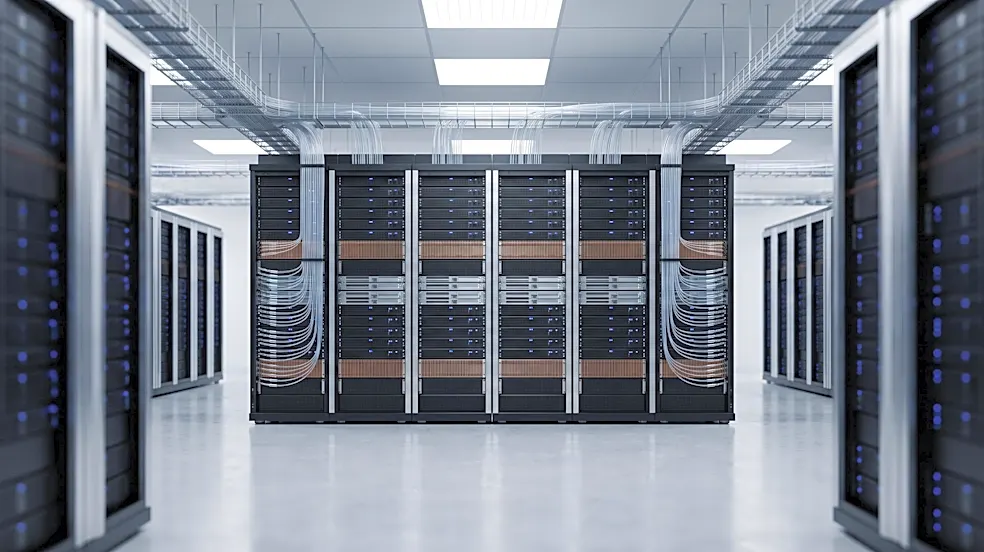
The spending doesn't stop at chips. These powerful servers need to live somewhere, which has triggered a historic data center construction boom. Microsoft has committed to spending hundreds of billions of dollars through the end of the decade to build and expand its global network of AI-optimized data centers. These aren't just warehouses for computers; they are sophisticated industrial facilities requiring immense amounts of electricity and advanced liquid cooling systems to keep the high-density servers from overheating. Securing power has become a strategic challenge in itself, with Microsoft signing long-term energy deals years in advance just to ensure its future data centers will have enough juice. This massive outlay on infrastructure is why, even as operating cash flow soars, Microsoft's free cash flow—the cash left over after capital expenditures—has actually declined.
The Long, Expensive Road to Profitability
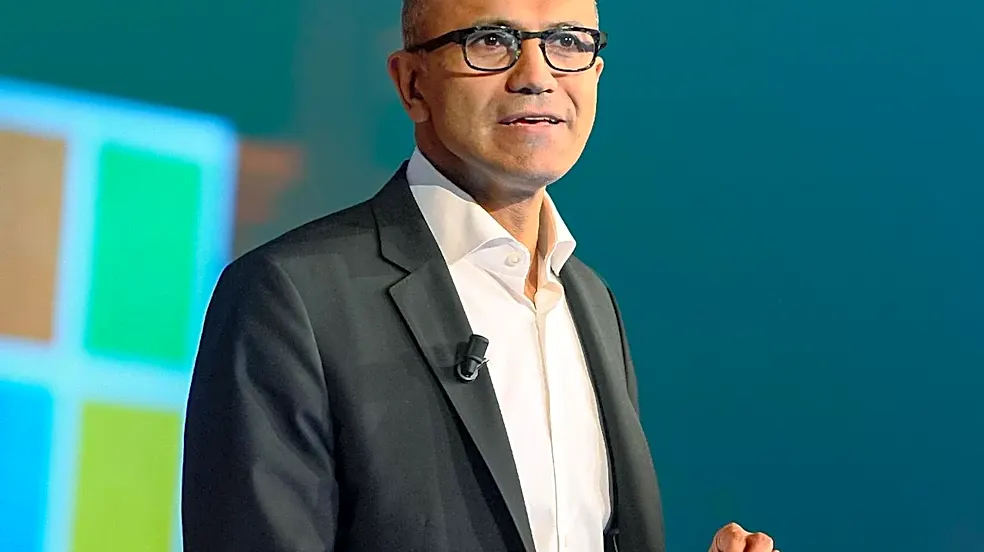
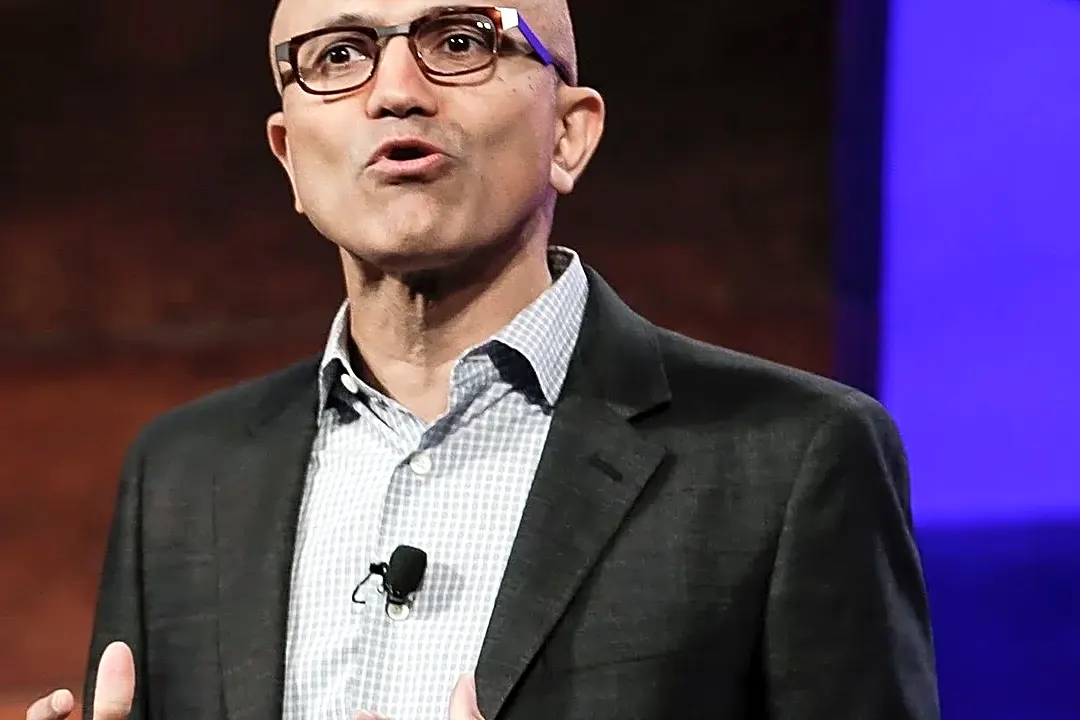
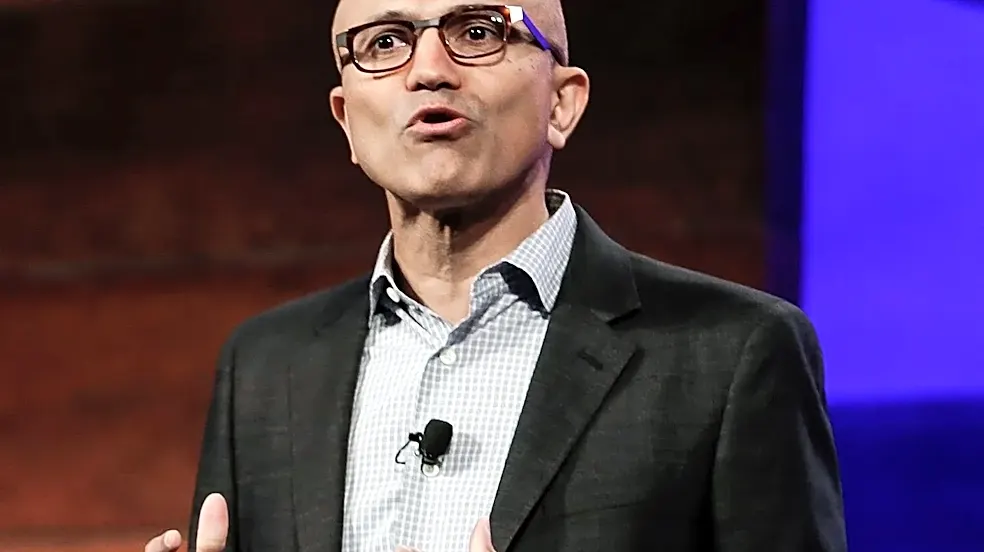
For Microsoft, this is a calculated, long-term bet on market dominance. CEO Satya Nadella has emphasized that the company is focused on the 'cost-to-outcome' for customers, meaning they are working to make AI more efficient and valuable over time. By investing heavily now, Microsoft is building what it hopes will be an insurmountable competitive moat. The goal is to own the entire AI stack, from its own custom-designed Maia chips to the Copilot software on your desktop. This strategy prioritizes capturing market share and becoming the indispensable platform for the AI economy over maximizing short-term profit margins. While this has led to a near-term contraction in gross margins, the company is betting that once the infrastructure is in place, the high-margin, recurring revenue from software and services will lead to durable, long-term profitability.