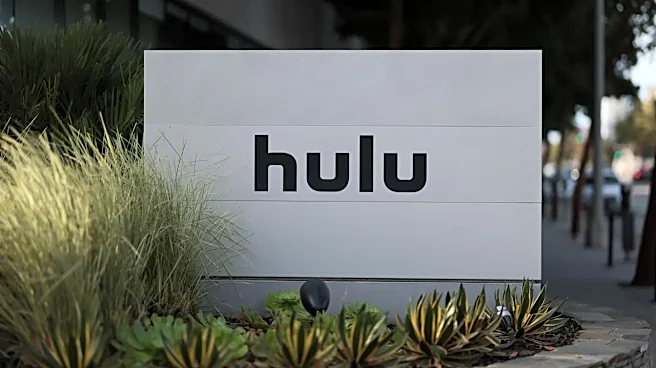





Every successful company has a near-death moment, a single decision that determines whether it thrives or vanishes. For Hulu, that moment was a contentious pivot its own corporate parents almost refused to greenlight.
The Original, Radical Idea
Cast your mind back to 2007. Streaming
was in its infancy. Netflix was still primarily a DVD-by-mail company. In this landscape, Hulu launched as a strange and radical experiment: a joint venture by media giants like News Corp., NBC Universal, and later Disney, to put their primetime TV shows online for free. The mission was to create a legitimate, ad-supported alternative to piracy and control the online distribution of their own content. For a brief period, it worked. You could watch last night’s episode of 'The Office' or 'Family Guy' on your computer, interrupted by a few ads. It was a simple, compelling offer that transferred the traditional broadcast model to the internet.
The Netflix-Shaped Shadow
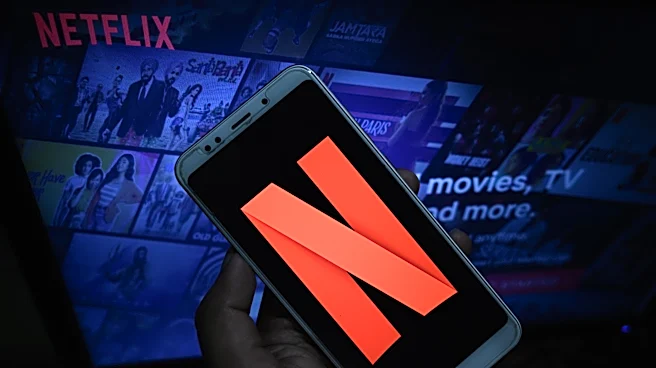
The problem was that another, more powerful model was taking shape. Netflix was aggressively shifting to streaming, building a massive, ad-free library of movies and older TV seasons for a low monthly fee. By the early 2010s, the streaming wars had begun, and Hulu’s identity crisis was in full swing. Its free, ad-supported service started to feel limited and less premium compared to the all-you-can-watch buffet offered by Netflix. The corporate owners, who also relied on lucrative cable syndication deals, were deeply conflicted. Pushing Hulu to compete with Netflix might mean cannibalizing their existing revenue streams. This internal division was palpable; for years, Hulu was caught between being a simple online player for broadcast TV and becoming a true streaming destination.
The Contentious Crossroads
The pivot that almost didn't happen was the full-throated embrace of a subscription model. In 2010, the company launched Hulu Plus, a paid tier offering a deeper content library. But the internal battle was fierce. Then-CEO Jason Kilar reportedly clashed with the board, which was composed of executives from its parent companies. The initial proposed price of $9.99 for Hulu Plus was seen by Kilar as too high to compete with Netflix. The debate became so heated that Kilar allegedly threatened to resign. A compromise was eventually reached at $7.99, but this was just the beginning of a larger strategic shift. The ultimate 'refusal' was the deep-seated reluctance of its media conglomerate owners to fully commit to a model that threatened their old-world cash cows. For years, this held Hulu back.
Going All In on Subscriptions
By 2016, the choice became unavoidable. Facing overwhelming competition from Netflix and Amazon, Hulu made its biggest pivot: it killed its free service entirely. The company announced it would focus exclusively on its paid subscription tiers, shifting its free content to a partnership with Yahoo called Yahoo View. Senior Vice President Ben Smith stated at the time that the free service had become "very limited and no longer aligned with the Hulu experience or content strategy." This wasn't just a pricing change; it was a fundamental shift in identity. Hulu was no longer a free catchup service. It was now a direct, subscriptionbased competitor to the biggest names in streaming, a move that required massive investment in licensed content and, crucially, original programming.
From Rebel Alliance to Empire Asset
That bet paid off. By focusing on subscriptions, Hulu was able to fund acclaimed originals like 'The Handmaid's Tale' and 'Only Murders in the Building,' establishing itself as a home for prestige, adultoriented entertainment. This new identity made it an incredibly valuable asset. As media consolidation swept the industry, Disney's acquisition of 21st Century Fox gave it majority control of Hulu. The onceconflicted ownership structure resolved itself, and in late 2023, Disney bought the remaining stake from Comcast, taking full ownership. The pivot Hulu's original owners almost refused to make—from a free, adsupported platform to a premium subscription service—is precisely what made it a multibillion dollar prize and a cornerstone of Disney's modern streaming empire.