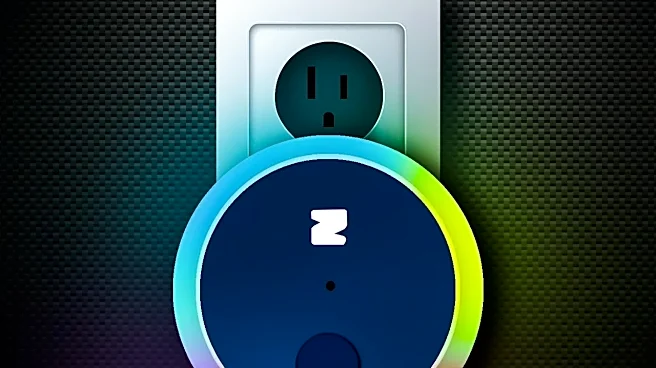

A bargain on a smart plug or a streaming stick feels like a win, but a low price tag can sometimes hide a massive digital headache. Before you click buy, use these questions to vet your tech.
1. How long will this device receive security updates?
This is the single most important question you can ask. A smart device is only as secure as its latest software patch. If a manufacturer stops providing updates, your device becomes a sitting duck for hackers. Unfortunately, finding this answer is harder than it should be; recent reports suggest that a vast majority of connected products lack clear information about their support lifespan on the manufacturer's website. If they won't commit to a timeline, they aren't worth the risk.
2. Is the manufacturer a reputable brand?
When you buy from a name you recognize, you are essentially buying a layer of accountability. Reputable companies have a vested interest in maintaining their reputation and securing their ecosystem. When dealing with ultra-cheap, off-brand devices from unknown entities, you are often flying blind regarding how they handle your data or how quickly they respond to new vulnerabilities.
3. Does it require 'unlocked' or unofficial software?
Be wary of devices marketed as 'unlocked' or those that nudge you to download apps from unofficial, third-party marketplaces. While not every unlocked device is malicious, this is a classic red flag. These types of devices often bypass standard security protocols, making them much easier targets for botnets or malware infections.
4. Can I change the default password?
If a device forces you to use a hardcoded, unchangeable password, run the other way. One of the easiest ways for criminals to hijack a home network is by exploiting weak, factory-set default passwords. A secure device should always allow you to set a strong, unique password during the initial setup process.
5. Does it require excessive permissions?
A smart lightbulb doesn't need access to your contact list, and a smart toaster shouldn't be asking for your location or microphone access. If a device's companion app asks for permissions that seem unnecessary for its function, it may be harvesting your data for purposes other than controlling your hardware.
6. Is there a recognized safety certification?
Security isn't just about hackers; it's about physical safety. For devices that plug into a wall, like smart plugs or chargers, look for certification marks like UL or ETL. These indicate the product has been tested against rigorous safety standards. Without these, you might be inviting a fire hazard into your home.
7. Does it support encrypted communication?
You want your device to talk to your router and the cloud using encrypted channels. This prevents 'man-in-the-middle' attacks where someone intercepts the data traveling between your device and the internet. While this is technical, many high-quality brands will explicitly mention encryption standards in their product descriptions.
8. What happens if the cloud service goes offline?
Many smart devices rely entirely on a manufacturer's cloud server to function. If that company goes out of business or decides to shut down its servers, your expensive gadget could become a literal paperweight. Ask yourself if the device has any local control options that allow it to work without an internet connection.
9. Is the seller located in a trusted jurisdiction?
When shopping online, pay attention to where the seller is based. Devices sold by entities outside of your primary regulatory region may not meet local consumer protection or data privacy standards, making it much harder to seek recourse if the device is faulty or compromises your privacy.
10. Is this device part of a known botnet risk?
Criminals often use infected smart devices to create botnets, which are networks of hijacked hardware used to launch massive cyberattacks. If a device type has been flagged by agencies like the FBI for being part of a botnet, avoid it at all costs. Your cheap streaming stick could end up being a tiny soldier in a global digital army.