






With Nvidia's AI chips commanding prices as high as a new car, a simple question arises: why not just build your own? For giants like Google and Amazon, it's a strategic move. But the DIY path is littered with colossal costs and complexities.
The Sticker Shock of Design
On paper,
the logic is simple: escape Nvidia's roughly 70% gross margins by bringing chip design in-house. A workhorse Nvidia chip might cost over $25,000, while the parts and manufacturing are a fraction of that. However, getting to your first chip—a process called 'tape-out'—is a monumental financial hurdle. Designing a cutting-edge chip can cost hundreds of millions of dollars in non-recurring engineering costs. This covers everything from initial architecture to the army of specialized, high-priced engineers required to design and verify the layout before it's sent for fabrication. If there's a flaw, you don't just fix it; you often start the expensive process all over again. For most companies, this one-time cost is so prohibitive that it makes buying off-the-shelf GPUs the only viable option.
You Still Need a Factory
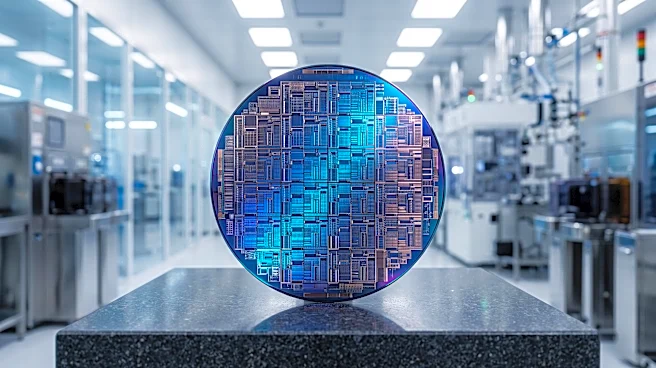
Designing a chip is one thing; getting it made is another. Virtually every advanced AI chip, whether it's from Nvidia, Google, or Amazon, is manufactured by one company: Taiwan Semiconductor Manufacturing Company (TSMC). This creates a fierce competition for factory capacity. Nvidia is reportedly reserving over half of TSMC's advanced packaging capacity for 2026. Even if your design is perfect, you need to get in line and secure a multi-million-dollar production slot. This is where economies of scale become brutal. Nvidia orders millions of chips, giving it immense negotiating power and priority access. A new entrant ordering a few thousand custom chips will pay a premium and face potential delays, eroding the theoretical cost savings.
The Real Moat: Software
A custom chip without a robust software ecosystem is just a very expensive piece of silicon. This is Nvidia's true competitive advantage. Its CUDA platform, a software layer launched back in 2006, allows developers to easily harness the parallel processing power of its GPUs. An entire generation of AI researchers and developers built their tools and models on CUDA. If a company develops a custom chip, it must also build its own software stack from the ground up: compilers, drivers, and libraries that can compete with Nvidia's two-decade head start. This is a massive, ongoing investment. It's why even companies with successful custom chips, like Google with its TPUs, still buy Nvidia GPUs in huge quantities. They need to support the vast universe of developers and applications that run on the CUDA ecosystem.
The Total Cost of Ownership
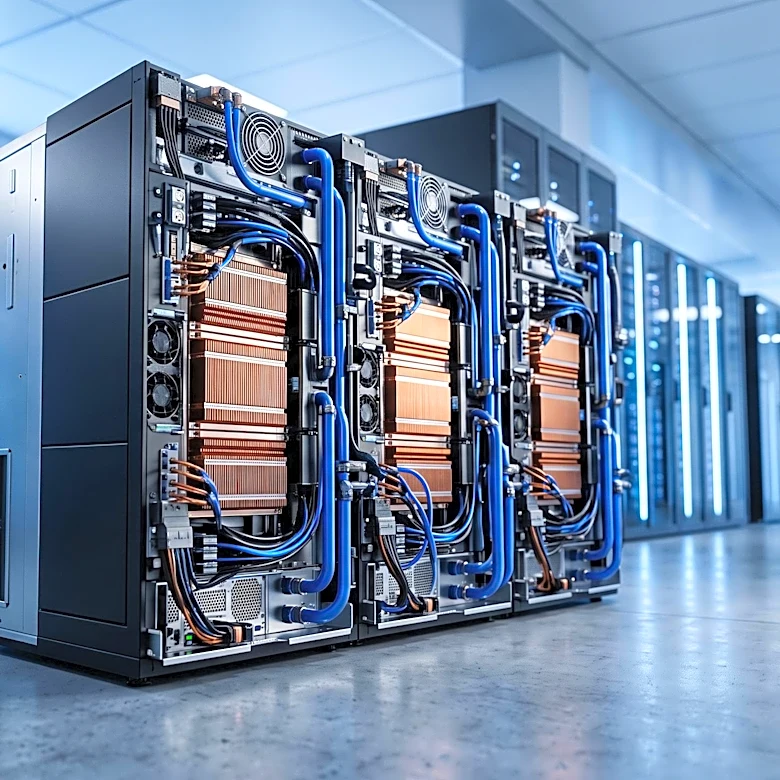
The price of the chip is only one part of the equation. Total Cost of Ownership (TCO) includes power consumption, cooling, maintenance, and the talent required to run the systems. Custom chips, known as Application-Specific Integrated Circuits (ASICs), are designed to do one thing exceptionally well. For a hyperscaler like Google or Meta, which runs a specific set of AI models billions of times a day, a custom chip can offer better performanceper watt, significantly reducing electricity bills. One report suggested Google's custom chips could have a 40% lower TCO for its specific workloads. However, that efficiency comes at the cost of flexibility. An Nvidia GPU can be repurposed for training, inference, or other tasks, protecting the initial investment as AI models evolve. A custom chip designed for yesterday's algorithm might become obsolete tomorrow, turning a massive capital expenditure into a writeoff.