


The Invisible Engine of AI
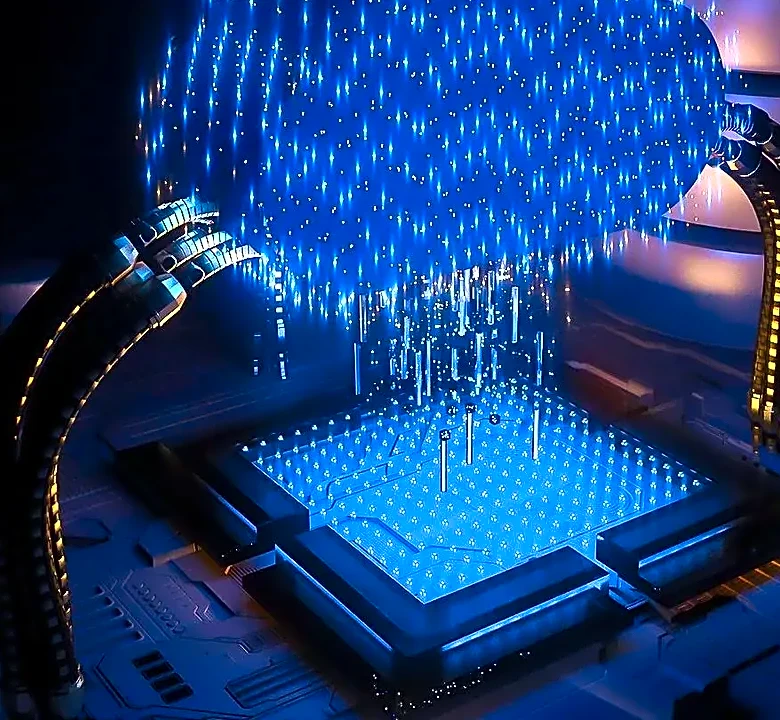
Most people think of AI as a magical cloud floating in the ether, but it is actually incredibly physical. Every AI feature you interact with today—from the tool that drafts your emails to the system that optimizes your phone battery—runs on specialized
hardware. For much of the last decade, the industry has been heavily reliant on a single type of chip produced by a single dominant supplier. This concentration of power means that one company often sets both the price and the queue, deciding which startups, hospitals, or city agencies actually get the computing power necessary to build the next big thing.
Enter the TPU
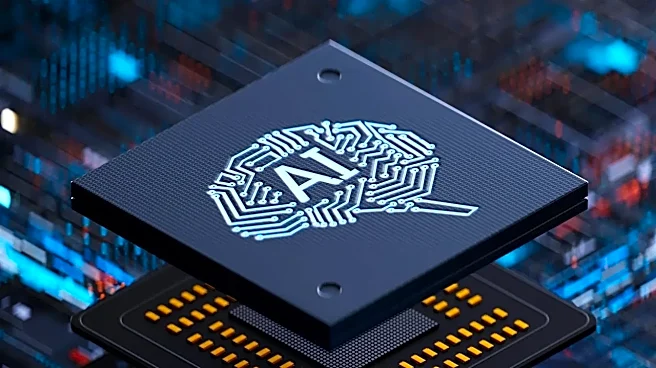
Google has developed a powerful alternative to the standard chip architecture: the Tensor Processing Unit, or TPU. While standard processors are generalists, TPUs are specialists designed specifically to handle the massive mathematical workloads required by machine learning. Recently, the landscape has shifted as Google has worked to make these chips more accessible to the broader developer community. By open-sourcing software like TorchTPU, which allows the popular PyTorch framework to run directly on Google's hardware, the barrier to entry is lowering. This move aims to make switching between different types of AI hardware as simple as changing a single line of code.
The Battle of Context Lengths
As AI models become more sophisticated, they face a new kind of limitation: memory. We are moving from models that can read a few pages of text to models that can ingest entire code repositories or hours of video. This is known as increasing the 'context window.' However, as these windows grow, the computational demand doesn't just increase—it explodes. Engineers are currently fighting a battle against memory bottlenecks, using advanced strategies like context parallelism to distribute massive amounts of data across multiple chips. This ensures that the AI doesn't 'forget' the beginning of a long document by the time it reaches the end.
Why This Matters to You
You might wonder why the internal architecture of a data center matters to your daily life. The answer lies in capability and cost. When hardware becomes more efficient at handling massive datasets, AI becomes faster, more accurate, and ultimately cheaper to deploy. This efficiency translates to more seamless photo searches, more intelligent personal assistants, and more reliable automated tools. The quiet evolution of TPU technology and the software that drives it is what determines whether the next generation of software feels like a helpful companion or a slow, limited tool.