






First, a Quick Accounting Refresher
To understand what's going on, you first need to know two terms: capital expenditures (capex) and depreciation. Capex is the money a company spends on big-ticket physical assets it will use for a long time, like buildings and equipment. Instead of booking
that entire cost at once, accounting rules let companies spread it out over the asset's 'useful life'. That annual cost is called depreciation. Think of it like buying a $30,000 car you plan to use for five years. Instead of saying you lost $30,000 in year one, you'd record a $6,000 depreciation expense each year. This makes profits look smoother. If you suddenly decide the car will actually last six years, the annual expense drops to $5,000, and your profit for the year looks $1,000 better. This is the lever the tech giants are pulling.
The Change That Raised Eyebrows
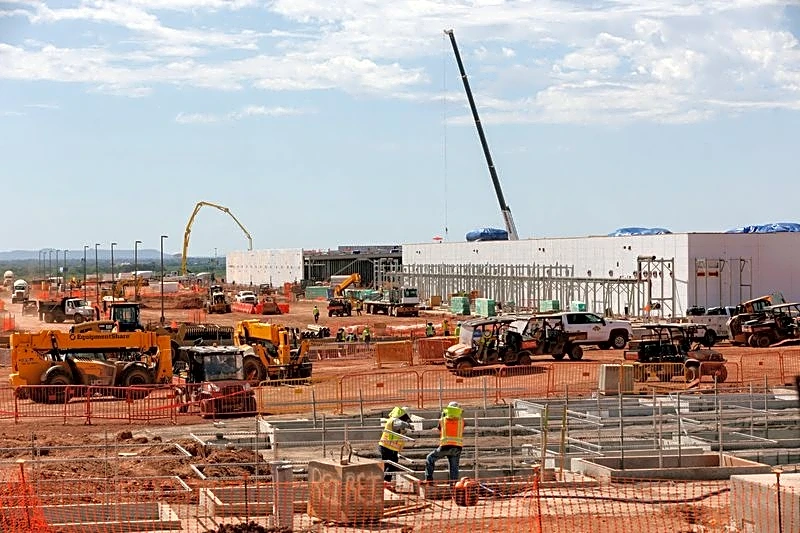
Microsoft announced that starting in its 2027 fiscal year, it is extending the estimated useful life of its data centers and office buildings from 15 years to a whopping 25 years. At a glance, this makes sense for the physical shells—concrete and steel last a long time. However, this change has another, more subtle effect. It shifts how some data center leases are classified. Many will move from 'finance leases', which count toward that big capex number investors watch, to 'operating leases', which do not. This move helped lower Microsoft's reported 2026 capex forecast from around $190 billion to $175 billion, a change that analysts noted was about presentation, not a reduction in actual spending.
The Real Engine of AI: Short-Lived Hardware
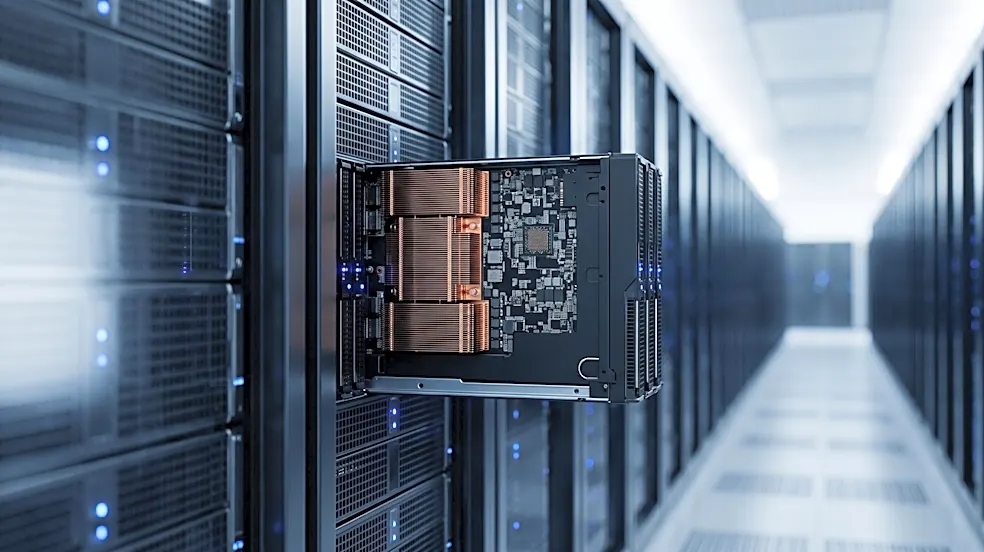
Here's the rub: while the buildings may last 25 years, the gear inside them absolutely does not. Microsoft itself has stated that roughly two-thirds of its capex is now for short-lived assets, primarily the CPUs and GPUs that are the engines of the AI boom. These crucial components are generally depreciated over a much shorter period, typically around six years. This creates a disconnect. The company is making its long-term assets look less expensive on an annual basis, while the bulk of its spending is on ferociously expensive hardware that becomes obsolete much faster. It makes evaluating the true, ongoing cost of staying competitive in AI incredibly difficult. You're comparing the cost of a long-lasting warehouse to the fast-burn of the high-performance engines inside it.
How Competitors Play the Game
Microsoft isn't alone in adjusting these timelines. The major cloud providers have been in a sort of coordinated dance on depreciation for years. In the early 2020s, Microsoft, Google, and Amazon all extended the useful lives of their servers from three or four years to a new standard of around six years. But the ground is shifting again. In a move that highlights the uncertainty, Amazon recently shortened the life of a subset of its servers from six years back to five, citing the rapid pace of AI development. Meanwhile, Meta (Facebook's parent company) extended the life of its servers, moving in the opposite direction. This divergence shows that even the biggest players are struggling to agree on how long today's cutting-edge AI hardware will remain relevant, making cross-company comparisons a minefield for investors.