








Threat #1: The Mirror-Image Rival
Imagine burning millions of dollars a month to win customers, only to find your fiercest competitor is doing the exact same thing—and their office is literally in the same building. That was the reality for Luke Nosek and the PayPal team in the late 1990s.
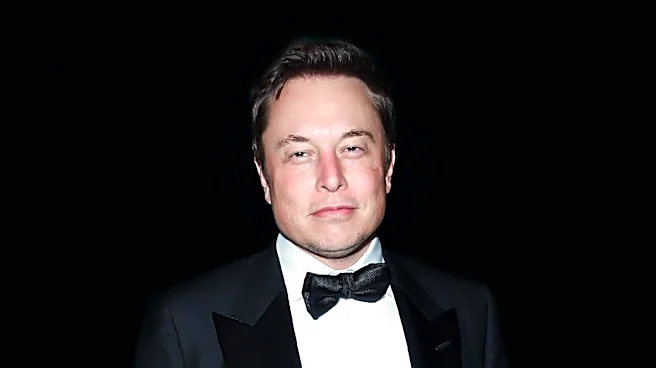
Their company, Confinity, was locked in a brutal war with Elon Musk's X.com. Both were vying to become the default payment system for the burgeoning world of online auctions. The competition was so intense and the cash burn so high that it threatened to bankrupt them both. Instead of fighting to the death, they made a move most founders, driven by ego, would avoid: they merged. In March 2000, the two mortal enemies joined forces. The decision was pragmatic, not glorious. It acknowledged that winning the market was more important than which team won. This early lesson in putting survival ahead of ego proved crucial. It forced a deeply awkward and chaotic integration but ultimately created a single, dominant player.
Threat #2: The Market Apocalypse
Just as PayPal began to find its footing after the merger, the entire industry collapsed. The dot-com bubble burst in 2000, wiping out countless tech companies that had been celebrated just months earlier. Investor capital, once flowing freely, evaporated overnight. Startups that relied on endless funding rounds to stay afloat were suddenly cut off. This was a mass extinction event, and PayPal was right in the middle of it. While competitors vanished, the PayPal team, including Nosek as VP of Marketing and Strategy, made a hard pivot. They moved away from the unsustainable model of paying users to sign up and instead focused intensely on creating a viable business. They honed in on what worked: facilitating payments for eBay power sellers and charging small fees for business transactions. This relentless focus on profitability, even as they were losing millions to fraud, allowed them to secure crucial funding and eventually go public in early 2002, a time when most tech IPOs were unthinkable. They survived not by chasing growth at all costs, but by building a real, revenue-generating engine in the wreckage of their industry.
Threat #3: The Platform Kingpin
PayPal's success was inextricably linked to eBay. By 2002, a huge portion of PayPal's business came directly from eBay auctions. This was both a blessing and a curse. EBay provided a massive customer base, but it was also a looming threat. The auction giant had its own competing payment system, Billpoint, and could have crippled PayPal at any moment by changing its platform rules or cutting them off entirely. The relationship was deeply contentious; eBay saw PayPal as a squatter in its backyard, while PayPal was constantly fighting to maintain its foothold. The final move was a masterstroke of strategic necessity. Recognizing that this cold war couldn't last, the founders made the call to sell the company to eBay for $1.5 billion in 2002. For many founders, being acquired is the end. For Nosek and the 'PayPal Mafia', it was a validation and a launchpad. They didn't just survive the giant they depended on; they made themselves so essential that the giant had to buy them, cementing their victory and funding their future ventures.