






The 'Netflix of Gaming' Gambit
The heart of Microsoft’s strategy isn’t a box; it’s a subscription. Xbox Game Pass is the company’s all-you-can-eat service, a sprawling digital library of games for a monthly fee. The goal shifted from maximizing one-time console sales to building a massive,
recurring revenue stream from subscribers. This model, often called the 'Netflix of gaming,' values getting as many people into the ecosystem as possible, regardless of the device they use. However, the plan has hit turbulence. After peaking at 34 million subscribers in 2024, reports in mid-2026 suggest the number has dipped to around 30 million, far short of the company’s ambitious internal targets. This has forced a rethink, with recent price adjustments and even talk of unbundling services to regain momentum. The core idea remains: the more players who subscribe, the more successful the strategy, even if they never touch an Xbox.
Going Where the Players Are
If your goal is subscribers, you have to go where the players are. And right now, many of them are on Sony's PlayStation. In a move that would have been unthinkable a decade ago, Microsoft began releasing its prized first-party games, like 'Sea of Thieves' and 'Forza Horizon 5,' on competing consoles. The financial logic is sound; these releases have generated hundreds of millions in revenue, proving a significant audience exists for Xbox titles on Sony's hardware. It’s a pragmatic acknowledgment that the console market isn't growing at the pace it once did. Xbox leadership now openly discusses making these decisions on a 'game-by-game' basis. This multi-platform approach transforms Xbox from a gatekeeper of its own hardware to a massive third-party publisher, much like EA or Ubisoft, that just happens to also make a console.
So, Who Really Needs an Xbox?
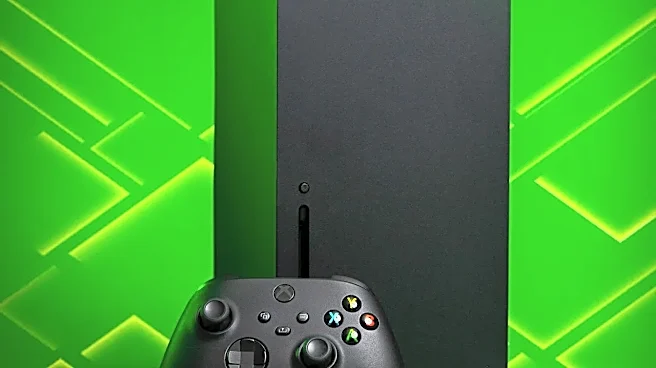
This brings us to the central paradox. If 'Indiana Jones and the Great Circle' is coming to PlayStation, and future 'Halo' or 'Gears of War' titles might follow, what is the unique selling proposition for the Xbox console itself? For years, exclusive games were the primary reason to choose one console over another. By dismantling that wall, Microsoft is implicitly telling consumers they don't need an Xbox to play Xbox games. This has understandably worried some longtime fans and created a messaging challenge for the company. While executives like Phil Spencer insist hardware remains 'fundamental' and 'critical part' of the brand, they’ve also shifted the focus, saying they want hardware to win on its own merits and innovation—like a potential handheld device—rather than through 'locked games'. It's a delicate balancing act: promoting the Xbox console while simultaneously making it less essential.
The Long Game Is the Cloud
Microsoft's strategy isn't just about selling games on PlayStation; it's about making the physical console itself optional for everyone. The true endgame is cloud gaming. By leveraging its colossal Azure cloud infrastructure, Microsoft wants to stream games to any device with a screen—a phone, a tablet, a smart TV, or a PC. From this perspective, the Xbox console is just one of many potential endpoints for the Game Pass service. Recent moves, like testing a pay-as-you-go cloud gaming service that doesn't require a Game Pass subscription, show Microsoft is exploring every avenue to lower the barrier to entry. The company is betting that in the long run, owning the dominant cloud gaming platform—the service that delivers games everywhere—is a far bigger prize than winning a single console generation.