






The dot-com crash of 2000 is remembered as a historic implosion of hype and capital. But its narrative wasn't inevitable. A few key decisions and technological near-misses could have sent the 'new economy' down a completely different path.
The Greenspan Put
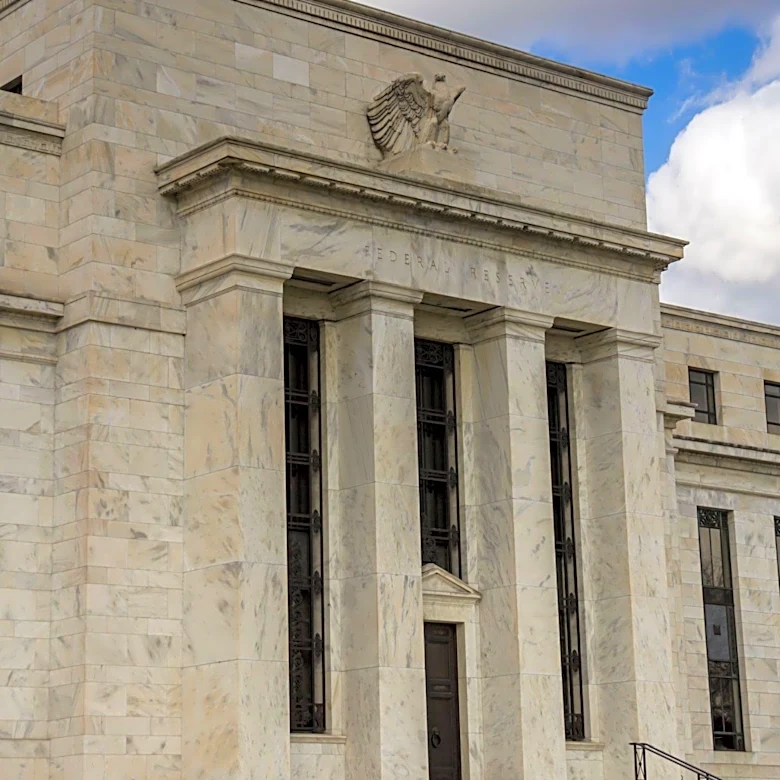
Federal Reserve
Chair Alan Greenspan presided over the 1990s boom. After his 1996 warning about 'irrational exuberance,' the market only accelerated. Yet, the Fed's actions, particularly its rate cuts following the 1998 collapse of the hedge fund Long-Term Capital Management, are seen by many as pouring fuel on the fire. This created what traders called the 'Greenspan put'—an implicit promise that the Fed would step in to save markets from steep falls. Had the Fed acted more forcefully to curb speculation by raising interest rates sooner, the bubble might have been smaller and the subsequent crash less devastating. An earlier, more controlled deflation could have weeded out the weakest companies without causing the $5 trillion loss in market value that ultimately occurred.
The Fiber-Optic Fantasy
The Telecommunications Act of 1996 was designed to foster competition by deregulating the industry. It sparked a frantic, debt-fueled rush to lay fiber-optic cable across the country, with companies investing over $500 billion to build the supposed backbone of the internet age. The problem? The supply of this new infrastructure wildly outpaced actual demand. This speculative frenzy led to massive overcapacity, contributing to the bankruptcies of major players like WorldCom and Global Crossing. If the investment had been more gradual and tied to real-world usage, the telecom sector's collapse—a key driver of the wider crash—might have been averted, allowing for more sustainable growth instead of a boom-and-bust cycle.
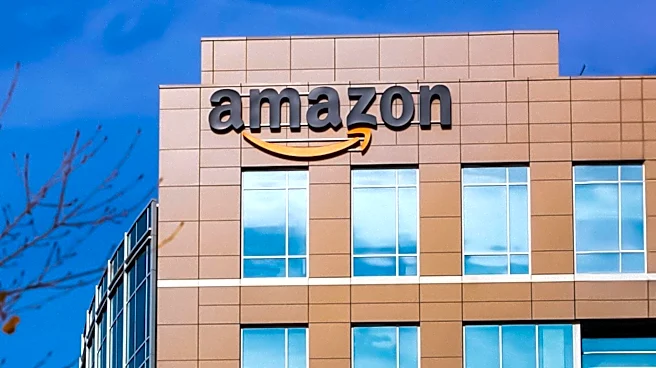
When Amazon Almost Broke
Today, Amazon is a global titan, but during the crash, it was on the ropes. The company's stock plummeted more than 90%, from over $100 to just $6 a share, earning it the nickname 'Amazon.bomb'. Analysts called it a failed experiment, and with the company burning through cash, many questioned if it would survive. Had Amazon gone bankrupt, it would have been more than just another high-profile failure like Pets.com; it would have been a devastating blow to the very concept of e-commerce. The survival of a major player like Amazon proved that an online retail model could work, albeit with brutal cost-cutting and a long-term vision that most dot-coms lacked. Its failure would have left a vacuum and potentially set back online shopping by years.
An Idea Twenty Years Too Soon
Companies like Webvan and Kozmo promised a tantalizing future: groceries and goods delivered to your door in hours. They raised hundreds of millions of dollars but flamed out spectacularly, becoming symbols of dotcom excess. Their mistake wasn't the idea—it was the timing. They were trying to build today's ondemand economy without the tools of today. Their model relied on massive, selfowned infrastructure, from warehouses to delivery fleets, and they expanded nationally before proving profitability in a single market. Imagine if they'd had access to the gigeconomy logistics and widespread smartphone penetration that power modern services like Instacart and DoorDash. With a more staggered rollout and a variable cost structure, these pioneers of the lastmile delivery might have survived and become the dominant players we know today, completely changing the landscape of online convenience.