







The Amazon Shadow
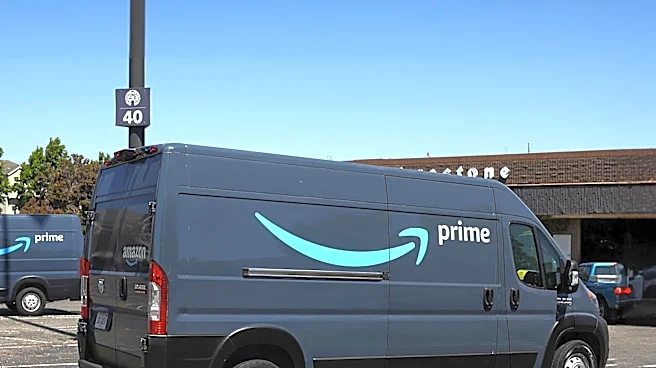
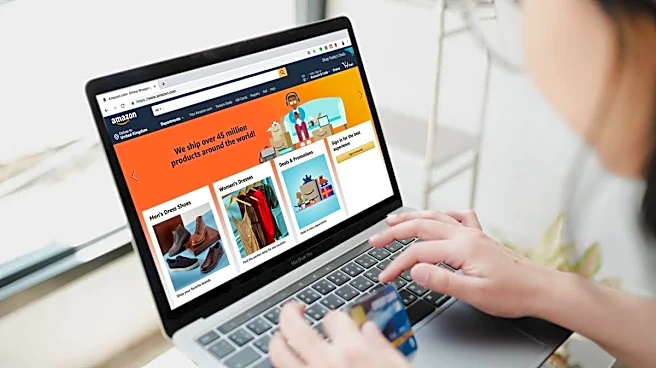
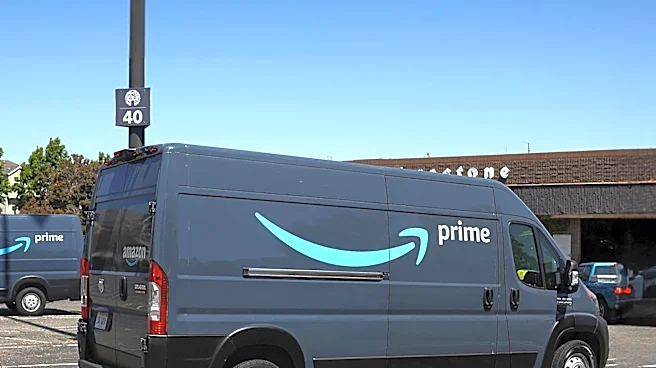
To understand Shopify’s gamble, you have to understand the giant shadow cast by Amazon. For the millions of independent merchants using Shopify's platform, competing with Amazon Prime’s promise of fast, free shipping was a constant struggle. Customers
have been trained to expect their packages in two days or less, a standard nearly impossible for a small business to meet on its own. Shopify saw this as an existential threat not just to its merchants, but to its own mission of arming the rebels against the Amazon empire. If its sellers couldn't compete on delivery, they might eventually lose out. So, in 2019, Shopify decided it had to do more than just provide the digital storefront; it had to get into the business of boxes, warehouses, and trucks.
Building the Machine
The bet was the Shopify Fulfillment Network (SFN), a sprawling, ambitious project to build a logistics operation from the ground up. This was a radical departure for an "asset-light" software company. Instead of just writing code, Shopify started pouring billions into the physical world. It acquired warehouse robotics company 6 River Systems for $450 million to automate its facilities. It later made its largest acquisition ever, buying logistics startup Deliverr for $2.1 billion to accelerate the effort. The goal was to use machine learning to predict demand, position inventory in warehouses across the country, and give Shopify merchants their own version of Amazon's fulfillment magic. It was a bet no other software-first e-commerce platform was willing to make, as logistics is a notoriously low-margin, capital-intensive business—the complete opposite of Shopify's highly profitable software model.
The 'Side Quest' Ends
For a few years, Shopify pushed ahead, but the experiment proved incredibly difficult. The complexities of managing physical inventory and integrating multiple acquired companies were a major drain on resources and focus. Then, in a stunning reversal in May 2023, CEO Tobi Lütke announced Shopify was getting out. The company sold its entire logistics division—including Deliverr and 6 River Systems—to logistics partner Flexport. In a memo to staff, Lütke called the multi-billion-dollar effort a "side quest" that was distracting from the company's "main quest": building the best commerce software on the planet. The move was accompanied by laying off about 20% of its workforce, signaling a dramatic refocusing of the company's priorities.
A Strategic Retreat, Not a Failure
So, was the bet a colossal failure? Not exactly. While Shopify wrote off a significant investment, the move was hailed by many investors who had been wary of the low-margin logistics business from the start. Instead of bleeding cash on a business it wasn't built for, Shopify doubled down on its profitable core. The sale wasn't for cash but for a 13% equity stake in Flexport, turning a costly operational burden into a valuable partnership. Flexport became Shopify's official logistics partner, tasked with carrying the torch of providing fast, reliable shipping for merchants. Ultimately, Shopify's great logistics experiment shows the company's willingness to take huge risks to serve its merchants. But more importantly, it shows the discipline to recognize when a bet isn't paying off and the courage to cut its losses to refocus on what it does best.