








The Always-On Microphone Catches Everything
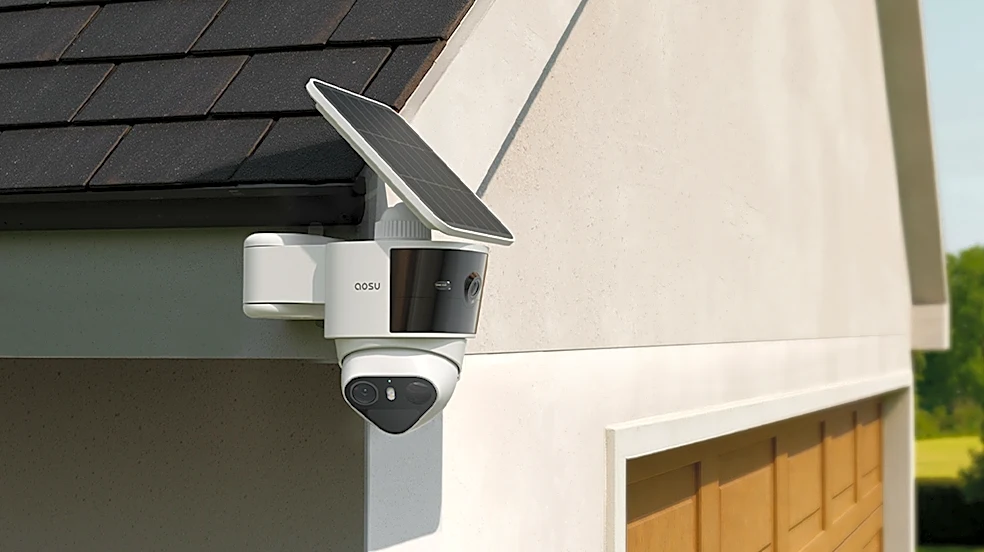
Most new users focus entirely on the video camera, but the built-in microphones are surprisingly powerful. While designed to let you speak with visitors, their sensitivity often means they can inadvertently capture conversations happening inside your
home, especially near doors or open windows. What starts as a tool to hear a delivery person can quickly become an accidental record of private family discussions or phone calls. Many systems record audio by default whenever motion is detected, and this constant potential for audio capture is a detail many users don't consider until they review a clip and hear more than they intended. While companies like Ring allow you to disable audio recording in the app settings, it's a step many users don't know they need to take.
Your Footage Isn't Entirely Your Own
There's a common assumption that the video recorded on your property belongs to you alone. The reality is more complex. When you agree to the terms of service, you are typically granting the security company broad rights to access, use, and even share your footage. Companies may use clips to train their artificial intelligence systems. Furthermore, this footage can be shared with law enforcement under certain circumstances, sometimes without a warrant. While you may delete a video from your app, some companies' policies note that the data can remain on their servers for a period of time, meaning 'deleted' doesn't always mean 'gone forever'. This surprises users who believe their control over the footage is absolute once it's on the cloud.
The Human Element in the Cloud
People often think of their data as existing in an abstract, non-human 'cloud.' The surprise comes from realizing that employees of the security company can, under certain circumstances, access customer camera feeds. While policies are in place to prevent misuse, administrative and technical support roles may require high-level access to ensure systems are working correctly. There have been documented cases of employees abusing this access. In one widely reported incident, a technician at a major security firm admitted to accessing hundreds of customer accounts thousands of times without their consent over several years. These incidents reveal that the biggest vulnerability isn't always a sophisticated hacker, but the potential for human curiosity or misconduct within the company you trust with your privacy.
The Digital Pattern of Your Life
A security camera does more than just record events; it collects metadata that paints a detailed picture of your daily routines. It logs when you leave for work, when your kids get home from school, when you receive packages, and how often you have visitors. This constant stream of data about your 'pattern of life' is incredibly valuable. Many users are surprised to learn how much data is collected by the companion apps needed to run these cameras, including information like your location, contacts, and payment details. Over time, this creates a comprehensive, searchable log of your household's comings and goings, a digital footprint far more detailed than most people anticipate creating.
The Creep of the Connected Ecosystem
A video doorbell is rarely just a doorbell. It's often the gateway to a sprawling ecosystem of connected devices. Once you're on one platform, it's easier to add the same brand's indoor cameras, smart locks, and voice assistants. What surprises users is how these devices talk to each other, creating a surveillance and data-gathering network far more extensive than the single doorbell they initially installed. Your system may use AI to recognize familiar faces, listen for specific sounds like glass breaking, and log every interaction. This integration is marketed as convenience, but it also deepens the company's insight into the most private aspects of your life, a scope many users don't appreciate until their home is fully 'smart'.