




From Regional Hub to Global Proving Ground
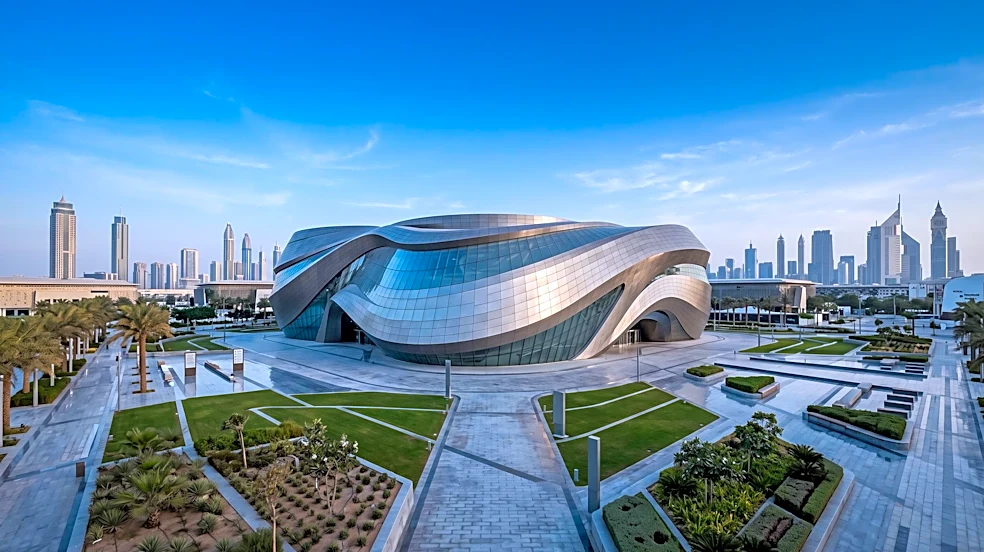
For over 40 years, GITEX (Gulf Information Technology Exhibition) was a fixture on the international tech calendar—a place for companies to showcase products in the Middle East. But in recent years, its identity has fundamentally shifted. It’s no longer
just a marketplace; it’s a strategic nerve center for the global AI race. The event, which now draws over 200,000 attendees, has made AI its central theme, reflecting a deliberate pivot from being a simple showcase to a platform where national strategies and corporate ambitions collide. The conversations on the floor are less about consumer gadgets and more about nation-scale AI infrastructure, sovereign compute power, and the governance of intelligent systems.
The UAE's Grand AI Ambition
This transformation isn’t accidental. It’s a direct result of the United Arab Emirates' aggressive national strategy to become a world leader in artificial intelligence by 2031. The country has poured immense resources into this goal, establishing a dedicated Minister for AI, launching the Mohamed bin Zayed University of Artificial Intelligence, and fostering powerful, state-backed tech entities like G42 and Core42. The government's goal is to derive a significant portion of its non-oil GDP from the digital economy, and it sees AI as the primary engine for that growth. By positioning GITEX as the premier AI event, the UAE is not just hosting the conversation; it’s actively shaping it, using the event to attract talent, forge international partnerships, and broadcast its own model of government-led, commercially open innovation.
The Key Players on the Field
The 'battleground' metaphor is apt because GITEX has become a rare neutral territory where the titans of the U.S. and China tech sectors compete for influence. American giants like Microsoft, Google, AWS, and Nvidia are major presences, signing significant deals with UAE government and private entities to build out the region's data centers and AI capabilities. Washington has even designated the UAE a 'trusted' AI hub, a significant geopolitical nod. At the same time, Chinese firms like Huawei and Alibaba Cloud, along with a rapidly growing number of smaller AI startups, are aggressively expanding their footprint at the event, seeing the Middle East as a crucial market amid escalating tech tensions with the West. Chinese companies are increasingly competing not just on presence but on performance and price, challenging the dominance of U.S. models. This makes GITEX a live barometer of the global tech rivalry.
What the 'War' Is Really About
The competition at GITEX isn't fought with weapons, but with algorithms, partnerships, and infrastructure investment. The core battles are being waged over several key fronts. First is the race for 'sovereign AI'—the ability for nations to develop and control their own large language models and compute infrastructure, reducing reliance on foreign powers. Second is the competition for enterprise and government contracts across the rapidly digitizing economies of the Middle East, Africa, and South Asia. Finally, there is a fierce struggle for talent and the developer ecosystem, with companies offering open-source tools and cheaper, highly efficient models to win over the next generation of builders. The event is also a hub for defining the rules of the road, with major discussions focused on AI governance, regulation, and ethical frameworks.