








The Expensive Trap of Gadget Chasing
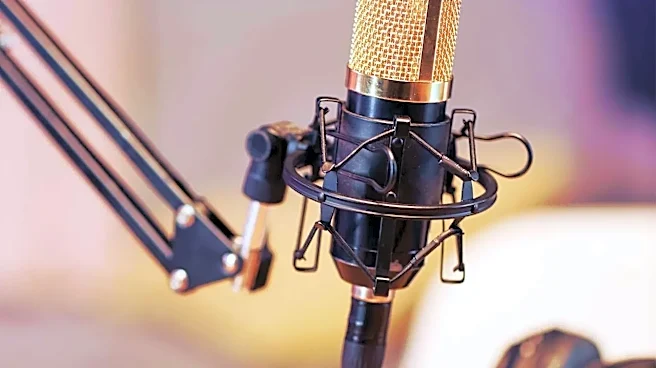
The internet is a minefield of gear reviews, each promising that a specific microphone or preamp is the key to unlocking that smooth, professional podcast sound. Aspiring creators often fall into a cycle of buying, trying, and upgrading, believing the next
piece of equipment will be the magic bullet. While a decent microphone is important, this gadget-first approach misses the forest for the trees. Poor audio quality is one of the top reasons listeners abandon a show. However, the solution isn't always to throw more money at expensive hardware. The frustrating truth is that a $400 microphone can, and often does, sound worse than a $70 one if the core fundamentals are ignored. This leads to wasted money and a studio full of gear that isn't living up to its potential.
The Real Game-Changer: Your Room
The single most overlooked and impactful detail in podcasting is the recording environment itself. Your microphone doesn't just capture your voice; it captures the room you're in. Hard surfaces like drywall, windows, and hardwood floors are audio mirrors. They bounce your voice around, creating echo and reverberation that the microphone picks up. This is what makes a recording sound hollow, distant, or like it was recorded in a bathroom. No matter how expensive your mic is, it cannot erase the sound of a bad room. This is the hidden detail: the quality of your space is the foundation of your audio quality. Before you even think about upgrading your gear, you have to first address the acoustics of where you record.
Taming Your Space for Free (or Close to It)
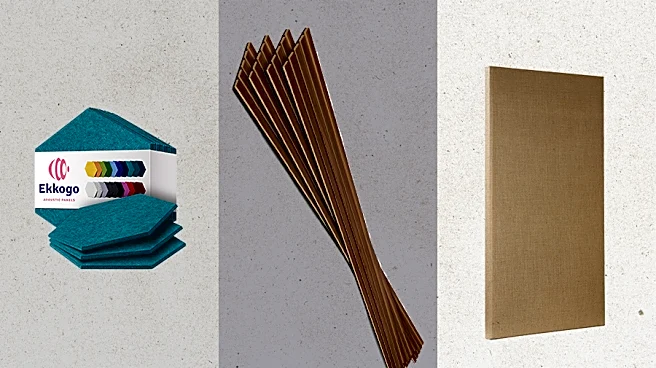
Acoustic treatment doesn't mean you have to build a professional studio. The goal is simply to reduce reflections by adding soft surfaces to your recording area. You can achieve dramatic improvements for little to no cost. The classic trick is recording in a walk-in closet full of clothes; the fabric acts as a natural sound absorber. If that's not an option, bring soft things into your recording space. Hang up heavy blankets on the walls, lay a rug on the floor, and place pillows or couch cushions in the corners. Even a bookshelf filled with irregularly shaped books can help break up sound waves. Before buying a single piece of foam, clap your hands in your recording space. That sharp, ringing echo you hear is what you're trying to eliminate.
It’s Not Just the Mic, It’s How You Use It
Once your room is less reflective, the next 'hidden' factor is microphone technique. This is a skill, not a purchase. Most podcasters should start by placing the microphone about a fist's distance (roughly 4-6 inches) away from their mouth. Getting too close can cause the “proximity effect,” an overwhelming bassiness, and popping sounds from letters like 'P' and 'B'. Getting too far away allows the mic to pick up more of the room's sound, defeating your acoustic efforts. Consistency is key. Try to maintain the same distance and speak at a consistent level throughout your recording. Wearing headphones while you record is crucial, as it makes you immediately aware of how you sound and if you're moving too far from the mic's sweet spot.
When You Should Actually Spend More on Gear
This isn't to say gear doesn't matter at all—it's just not the first thing that matters. You should only consider upgrading your equipment once you have controlled your recording environment and mastered basic mic technique. A better microphone will only reveal its true potential in a good-sounding space. When you can no longer hear distracting echoes and your delivery is consistent, that is the moment a hardware upgrade will provide a noticeable improvement. Until then, your money and effort are far better spent on a few moving blankets or simply choosing a better room to record in. Focus on the foundation first, and let the gadgets be the final polish.