



The University of Illinois Connection
Long before the 'PayPal Mafia' became a household name in tech circles, it was a loose network of ambitious friends and collaborators. For Luke Nosek, a Polish immigrant who studied computer engineering, the University of Illinois at Urbana-Champaign
was ground zero. It was there he met many of the figures who would define his early career, including future PayPal co-founder Max Levchin. Even their first venture together, an advertising network called SponsorNet New Media, was a proving ground. While the company itself failed, it established a pattern: Nosek wasn't just looking for résumés; he was building a tribe of brilliant minds he knew and trusted from his own network. This tendency to hire people he wanted to work with, focusing on talent and agility over pedigree, became a foundational element of the early PayPal culture.
Building the 'Mafia' Before It Had a Name
As a co-founder and Vice President of Marketing and Strategy at PayPal, Nosek was instrumental in the company's explosive growth. But his role went beyond marketing slogans and product development, like the 'instant transfer' feature he championed. He was a key architect of the team itself. The early PayPal team was a collection of polymaths, engineers, and future moguls—people like Peter Thiel, Ken Howery, and Reid Hoffman—who would go on to fund or fund companies like LinkedIn, Yelp, and YouTube. This group didn't just share an office; they shared a mindset. They were outsiders, often academics or engineers, united by a belief in tackling hard problems. This focus on a small, intensely talented, and culturally aligned team became the stuff of legend after a 2007 Fortune magazine article famously dubbed them the 'PayPal Mafia'.
From Hiring Friends to Funding Founders
After PayPal was sold to eBay in 2002 for $1.5 billion, most of the original team left within a few years, uncomfortable with the more traditional corporate culture. In 2005, Nosek reunited with Thiel and Ken Howery to start Founders Fund, a venture capital firm that essentially productized their PayPal hiring philosophy. Instead of hiring brilliant engineers to build one company, they would now fund brilliant founders to build many. The firm’s thesis was a direct reflection of their past experience: make contrarian, non-consensus bets on ambitious founders tackling transformative problems. They looked for 'secrets'—truths that most people didn't believe yet—and backed founders with deep technical expertise who were aiming for monopoly, not incremental improvement. This was the PayPal ethos scaled up, shifting from building a single team to cultivating an ecosystem.
The Thesis in Action: SpaceX
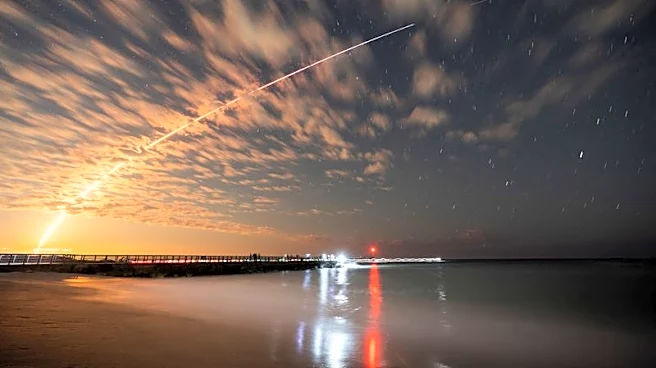
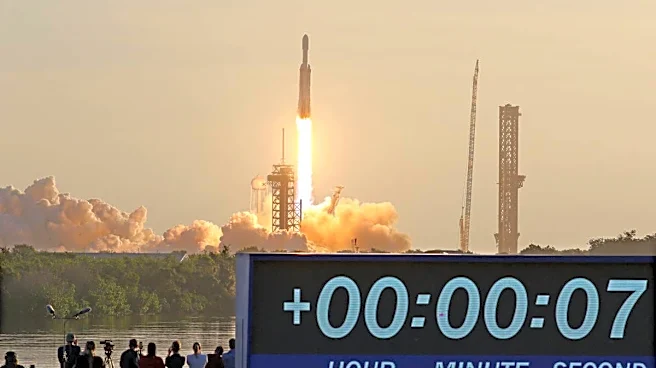
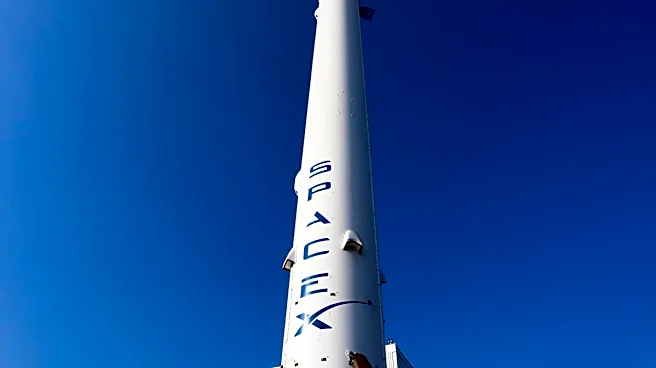
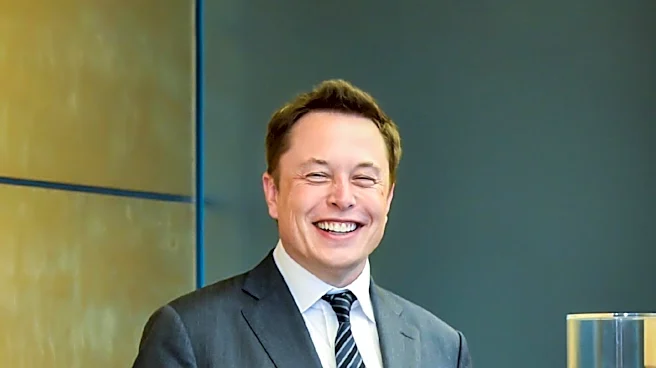
Perhaps no investment better illustrates Nosek's approach than SpaceX. Founders Fund was the first institutional investor in Elon Musk's rocket company, with Nosek leading the deal and taking a board seat. At the time, in 2008, it was a wildly contrarian bet. SpaceX had suffered multiple launch failures, and the aerospace industry was seen as a stagnant duopoly of government contractors. But Nosek saw what others didn't: an exceptional founder in Musk, who thought from 'first principles' and was driven by a mission to solve a problem vital to humanity. In his own words, Nosek has emphasized that it's 'about the person, not as much the tech'. His decision to back Musk wasn't just about the potential of reusable rockets; it was a bet on a founder with the stamina and vision to upend a 'stale' industry, a conviction forged two decades earlier when hiring for PayPal.