






The Hunger for a Million Brains
To understand the paradox, you first have to appreciate the sheer scale of modern AI. Training large language models, the technology behind today's generative AI, is like teaching a million interns a new language simultaneously. It requires immense computational
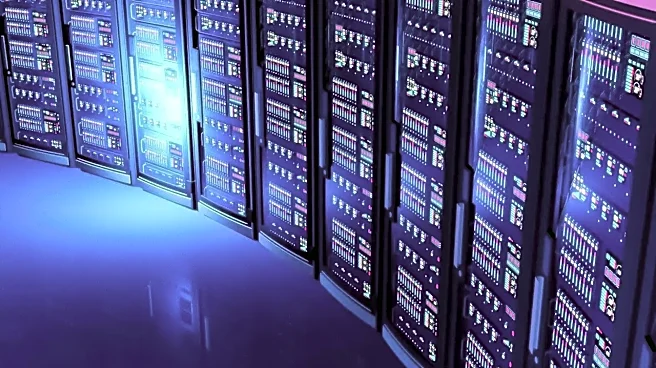
muscle, primarily provided by Graphics Processing Units, or GPUs. These are specialized chips that excel at running thousands of calculations in parallel. The industry's answer has been to build massive clusters, linking together tens of thousands of these GPUs to work on a single problem. The conventional wisdom was simple: more GPUs equal more AI power and faster progress. This has led to an arms race, with companies building sprawling data center campuses that consume as much electricity as a small city.
The Network Is the New Bottleneck
Here's where the paradox kicks in. Imagine you have the world's most brilliant team of experts in a room, but they can only communicate by passing handwritten notes. Their collective genius would be crippled by the slow, inefficient communication. This is exactly what's happening inside AI data centers. While the GPUs (the 'experts') are incredibly fast, they are often let down by the network connecting them. Training a large model generates a constant storm of internal communication, known as 'east-west traffic', as thousands of GPUs exchange massive amounts of data to stay synchronized. Traditional data center networks, designed for traffic moving in and out of the facility, are choking on this internal chatter. When even one connection is slow, the entire multi-million-dollar cluster of GPUs can be forced to sit idle, waiting for the straggler to catch up. As a result, the network—not the processor—has become the primary performance bottleneck.
Starving the Beast: Power and Storage Woes
Beyond the communication breakdown, two more fundamental constraints have emerged: power and data access. AI workloads are incredibly power-hungry, with AI-optimized servers consuming 10 to 15 times more electricity than traditional ones. This has created an energy crisis for the tech industry. In many regions, the demand for power is outstripping what the local utility grid can supply, with wait times for new grid connections stretching for years. Some projects are being stalled not by a lack of funding or chips, but by the simple inability to get enough electricity. At the same time, these powerful GPUs are often left 'starving' for data. Legacy storage systems weren't designed to feed thousands of parallel processors at once. When the storage can't deliver data fast enough, the expensive GPUs sit idle, and performance plummets.
A Smarter, Not Just Bigger, Future
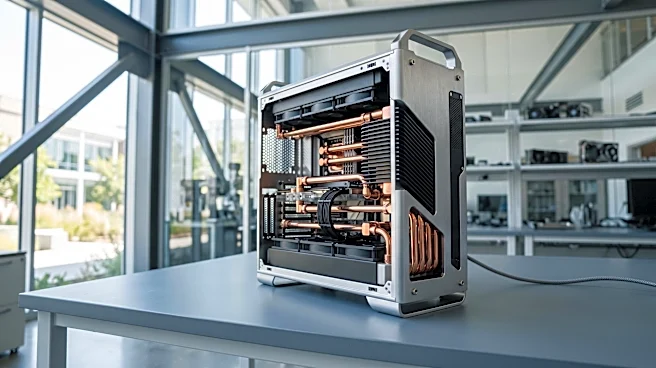
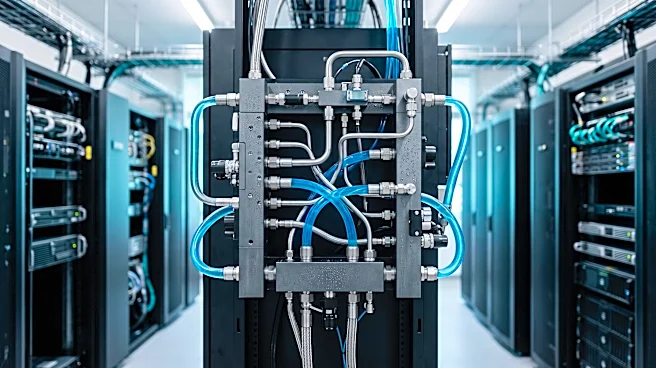
The industry is now scrambling to solve this paradox. The focus is shifting from simply adding more GPUs to designing more holistic systems. This includes developing new high-speed networking fabrics, like specialized interconnects and even optical connections, that allow thousands of processors to communicate as if they were one. On the power front, data center designs are being completely rethought, with a massive push toward advanced liquid cooling to manage the intense heat and greater collaboration with utility companies to plan for future energy needs. Companies are also re-architecting their storage to create a 'data metabolism' that can ingest and process information at the speed AI requires. The takeaway is clear: the next phase of AI progress won't come from raw computing power alone. It will be won by those who can master the intricate dance between computation, networking, power, and data, building smarter, more balanced systems to unleash AI's true potential.