







An Idea Born from a Macaroon Shop
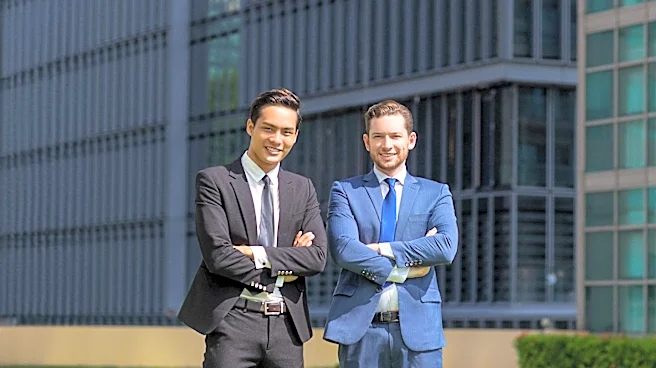
The story starts not in a boardroom, but at a small macaroon shop in Palo Alto in 2012. Four Stanford students—Tony Xu, Stanley Tang, Andy Fang, and Evan Moore—were trying to build tech for small businesses. The shop owner, Chloe, complained that her
biggest headache wasn't marketing or payments; it was delivery. She had a book full of delivery orders she couldn't fulfill. This was the lightbulb moment. After interviewing nearly 200 other local business owners who echoed the sentiment, the founders realized they’d found a real, unsolved problem. They quickly launched a simple website, PaloAltoDelivery.com, with PDF menus and their personal phone number, and started running the first deliveries themselves across the Stanford campus. The initial traction was promising, but it hid a perilous financial reality.
The Money Pit of Bad Math
In the early days, DoorDash was losing money on almost every single order. The core issue was a flaw in their unit economics—the profit and loss on an individual delivery. The fees they charged customers and restaurants weren’t enough to cover the complex costs of the operation. These costs included paying the driver (the “Dasher”), credit card processing fees, customer support, and issuing refunds for incorrect or late orders. One disastrous day during a Stanford football game, the system was overwhelmed, and every single order was late, forcing the founders to issue refunds that nearly wiped out their bank account. They had just days of cash runway left. The delivery business, which seemed so simple on the surface, was proving to be an economic minefield.
A Three-Sided Logistical Nightmare
Compounding the financial woes was the sheer operational complexity of a three-sided marketplace: restaurants, customers, and drivers. Keeping all three happy at once is a constant balancing act. If you don't have enough drivers, food arrives cold, and customers leave. If you have too many drivers idling, they don't make enough money and quit. CEO Tony Xu has described the challenge as digitizing the physical world, which is rife with unpredictable problems like traffic, parking, and incorrect orders—things that don't happen when your product is just software. Unlike established competitors like GrubHub, which initially focused on restaurants that already had their own delivery staff, DoorDash was building an on-demand workforce from scratch. This created massive logistical hurdles that many investors saw as insurmountable, making it incredibly difficult to raise crucial early funding.
The Contrarian Pivot That Saved the Company
Facing investor skepticism and mounting losses, the founders made a critical strategic choice that went against conventional wisdom. While competitors like Grubhub focused on dense, urban centers like New York, DoorDash turned its attention to the suburbs. Their insight was that suburban customers had a greater need for delivery because restaurants weren't within walking distance. These customers also tended to place larger orders, which helped improve the shaky unit economics. Furthermore, delivering in the suburbs was often easier, with less traffic and more single-family homes, reducing errors and delays. This contrarian focus on an underserved market allowed DoorDash to gain a foothold and build density without going head-to-head with entrenched rivals in their strongest territories. It was a move that many at the time considered wrong, but it proved to be the key to their survival and eventual dominance.