




Beyond the Big Announcements
Experienced architects know the most valuable insights from Ignite aren't always in the splashiest product launches. The real clues lie in the subtext. It's about noticing which technologies get the most stage time, how different services are being integrated,
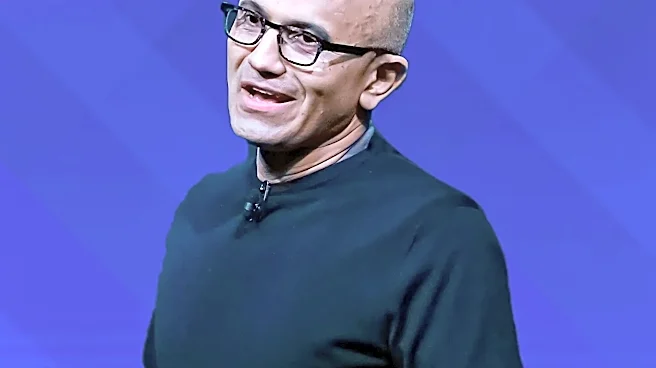
and the specific language used to frame problems and solutions. This year's event, running from November 17-20, is no different. While the keynotes from CEO Satya Nadella will set the tone, the deeper technical sessions reveal the strategic direction. It’s the difference between hearing 'we're launching a new AI service' and understanding that Microsoft is embedding agentic AI capabilities directly into its core infrastructure and security platforms.
Decoding the AI and Agentic Shift
The central theme for several years, and especially in 2026, is the evolution from AI assistants to autonomous AI agents that can perform tasks. For an architect, this is a fundamental infrastructure question. It's no longer just about providing compute for machine learning models. The focus is shifting to building secure, governed sandboxes where these agents can operate. Sessions on the 'Agent Platform', Microsoft Execution Containers (MXC), and partnerships with companies like NVIDIA signal a future where infrastructure must support a new class of non-human workers. Architects are watching to see how Microsoft plans to provide the compute, security, and governance for these agents to interact with enterprise data and legacy systems safely.
The Unified Multi-Cloud and Hybrid Compass
Few enterprises operate in a single cloud. Microsoft knows this, and its Azure Arc strategy is the compass pointing to the future of hybrid and multi-cloud management. Ignite is where architects get clues about how far that vision will extend. Announcements around Azure Arc are not just about managing servers in other clouds; they are about extending Azure's control plane for security, policy, and data services to any environment. Updates that simplify agent deployment and management, like Automatic Agent Upgrade, indicate a push toward making hybrid operations less of a manual chore and more of a native, automated experience. By studying these sessions, architects can plan for a future where the distinction between on-premises and cloud resources becomes increasingly blurred from a management perspective.
Security's New Identity-Centric Universe
The infrastructure perimeter is gone, and identity is the new control plane. Microsoft's focus on its Entra suite of products at Ignite underscores this shift. The most critical clues for architects are found in sessions that discuss securing access not just for users, but for the growing army of AI agents. Concepts like giving every agent an accountable identity are foundational for building a zero-trust architecture that can handle automated workflows. Architects study these announcements to understand how they can build systems where access is governed by intent and context, rather than just by network location. This is crucial for designing infrastructure that is secure by default in an increasingly autonomous world.