







With Black Friday just days away, gamers are eyeing Nvidia's high-end GPUs, wondering if recent leadership drama or shifting supply chains will finally bring prices down to earth.
The Leadership Rollercoaster
It has been a whirlwind few weeks at Nvidia headquarters. On November 12,
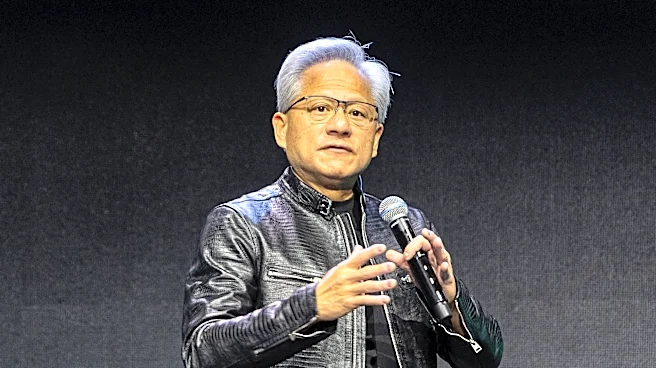
the tech world was stunned when co-founder Jensen Huang resigned as CEO after 33 years. For a moment, the industry wondered if the company's roadmap would stumble. CFO Colette Kress stepped in as interim CEO, providing a steady hand while the board searched for a permanent successor. However, the saga took a dramatic turn today, November 23, when the board unanimously reinstated Huang as president, CEO, and board member. While this leadership shuffle makes for great headlines, it is important to note that the company's product roadmap and customer commitments were designed to continue without interruption. For the person looking to buy a graphics card this weekend, the CEO's seat matters much less than the silicon inside the box.
Why Prices Remain Sky-High
If you were hoping that a change in leadership would trigger a massive price war, you might be disappointed. As of late November 2026, RTX 50-series cards are still trading significantly above their original launch MSRP. For instance, the flagship RTX 5090 has seen street prices climb as high as $6,549, which is more than triple its $1,999 launch price. The reason for this isn't corporate politics; it is a massive supply-side squeeze. The explosion of AI data-center demand has created a voracious appetite for high-speed memory. This demand pulls DRAM and VRAM away from the consumer gaming market, leaving graphics card manufacturers to contend with extreme memory pricing. This shortage has kept consumer GPU prices elevated, often averaging well above the manufacturer's suggested retail price.
The Black Friday Reality Check
When you see a 'Black Friday Deal' tag on a GPU this year, proceed with caution. There have been no announcements from Nvidia regarding company-wide price cuts for the holiday season. Most discounts you encounter will be retailer-specific, meaning a sale at one store might still be significantly more expensive than the card's original MSRP. To shop smart, you should compare any advertised discount against current market trackers rather than the original launch price. A card marked as 'on sale' can still be a premium-priced item. While some international markets, like Japan, have seen localized price fluctuations, the U.S. market remains heavily influenced by the ongoing tension between AI hardware needs and gaming consumer demand.
Should You Buy Now?
Deciding whether to pull the trigger on a new GPU comes down to your specific needs and your tolerance for volatility. If you are looking for a gaming-focused card, remember that the software drivers and hardware performance are independent of the CEO's office. The drivers are managed by dedicated software teams, and warranties are typically handled by the specific board partners like ASUS or MSI. If you need the cutting-edge power of the RTX 50-series and can afford the current premium, the leadership transition shouldn't deter you. However, if you are waiting for a massive, industry-wide price crash, the current memory shortage suggests that such a windfall may be a long way off.