




The Engine Under the Hood
Every operating system has a core component called a kernel. Think of it as the engine of a car. You don't see it when you're driving, but it's the fundamental piece that manages the car's resources, telling the wheels when to turn and the engine when to accelerate.
The Linux kernel does the same for a computer or device. It’s the bridge between the software applications you use—like your web browser or camera app—and the physical hardware. It manages the processor, memory, and all the peripherals, ensuring everything runs smoothly without crashing into each other. What makes the Linux kernel special is that it’s free and open-source, meaning anyone can view, modify, and use its code. This philosophy has been the key to its incredible success.
From a Dorm Room to Global Dominance
The story begins in 1991 with a Finnish student named Linus Torvalds. Announcing his 'hobby' project on a public message board, he had no idea it would become a global phenomenon. He just wanted to build a free alternative to the expensive, proprietary Unix systems of the time. He released the code and invited others to contribute. That community-driven spirit is what transformed a small experiment into a software powerhouse. Developers and companies from all over the world began to contribute, adding features, fixing bugs, and adapting it to new hardware. This collaborative model allowed it to evolve faster and more flexibly than many of its corporate-backed competitors.
It’s in Your Pocket and Your Living Room
So, where do you actually find this kernel? Start with the phone in your pocket. The Android operating system is built on top of the Linux kernel, which means Linux powers a staggering majority of smartphones worldwide. But it doesn't stop there. When you stream a movie, there's a good chance your smart TV from brands like LG, Samsung, or Panasonic is running a Linux-based OS. The same goes for streaming devices like Roku and Amazon Fire TV. Even your Wi-Fi router, the unassuming box that delivers the internet to your home, likely runs on a lightweight version of Linux. It's the invisible, reliable workhorse of your connected home.
The Foundation of the Modern Internet
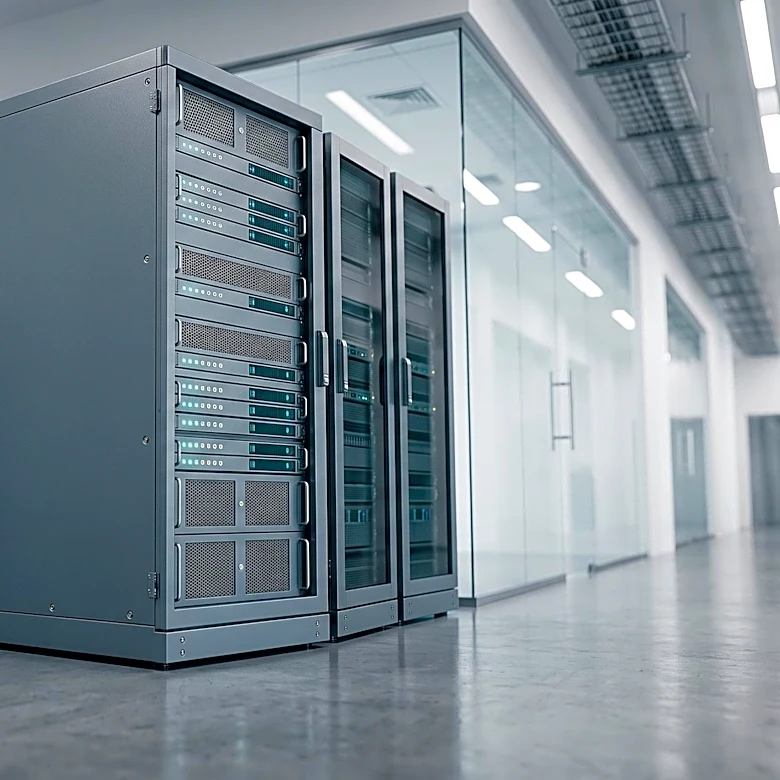
If you're reading this online, you’re using the Linux kernel right now. It is the undisputed king of the internet's infrastructure. A massive percentage of web servers—the computers that host websites and online services—run on Linux. The world's largest cloud computing platforms, including Amazon Web Services (AWS), Google Cloud, and even Microsoft Azure, are built on a foundation of Linux. This means that every time you use social media, stream a video, or shop online, you are interacting with services that rely on Linux servers to handle the immense traffic and data. Its stability, security, and low cost make it the default choice for building the digital world.
From Supercomputers to Deep Space
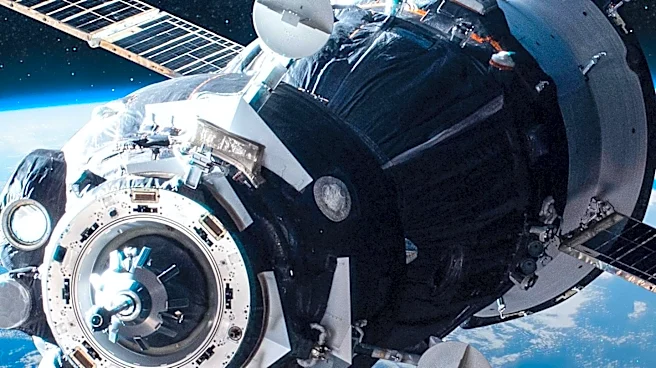
The kernel’s reach extends far beyond consumer gadgets and the web. It is so powerful and adaptable that it runs on 100% of the world's top 500 fastest supercomputers, which are used for everything from climate modeling to scientific research. It's also trusted in mission-critical systems. The New York Stock Exchange relies on it for high-speed trading. Many air traffic control systems use it to manage flights safely. It’s even found in modern cars, powering the infotainment systems in vehicles from manufacturers like Toyota and Mercedes-Benz. Perhaps most impressively, NASA switched the laptops on the International Space Station to Linux for its proven reliability and stability, meaning the same software core that powers your phone also helps run experiments in orbit.