



The Sci-Fi Dream vs. The Warehouse Reality
Let's get one thing straight: the dream of Artificial General Intelligence (AGI)—an AI with the versatile, adaptable cognitive abilities of a human—is still a long way off. Creating a machine that can learn any intellectual task a person can is a monumental
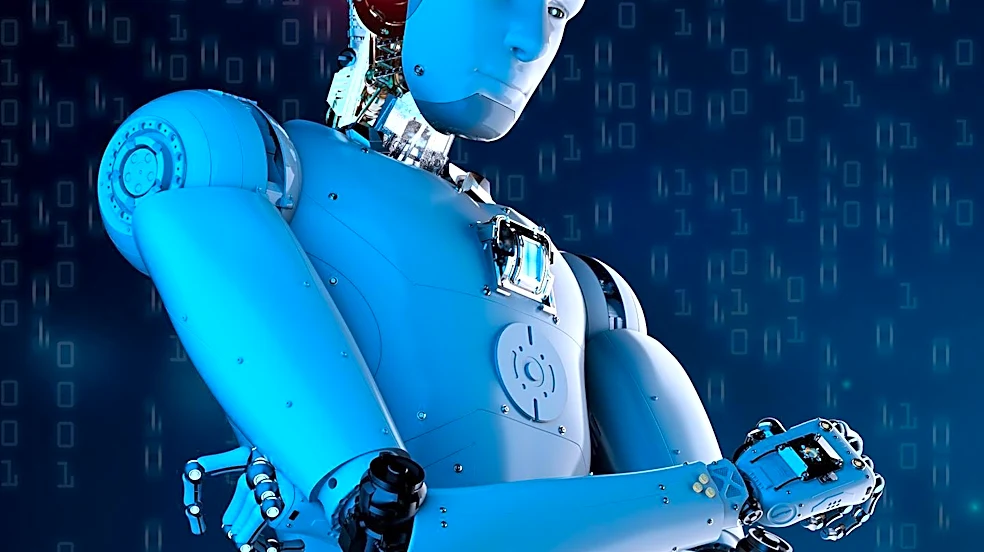
challenge that remains in the realm of research. But the companies building humanoid robots aren't waiting for that breakthrough. Instead, they're focused on a much more practical and immediate goal: creating useful tools for today's businesses. The humanoid robots making headlines, like those from Figure AI, Apptronik, and Agility Robotics, aren't designed to be your best friend or a sentient coworker. They are designed to do specific, often repetitive, and physically demanding jobs that are difficult to automate with traditional, stationary machines. Their 'intelligence' is of a different, more focused kind.
Specialized Skills Over General Smarts
The secret is Narrow AI. This is the kind of AI we see all around us, from spam filters to navigation apps. It's incredibly powerful at performing a specific, well-defined task. In robotics, this means training a machine to do one thing, or a small set of things, exceptionally well. For example, Tesla's Optimus robot learns by observing humans performing factory tasks, a process called imitation learning. Agility Robotics' Digit was successfully piloted by Amazon for the sole purpose of moving empty storage totes—a repetitive but necessary job. Apptronik's Apollo is being tested by Mercedes-Benz for logistics and helping on the production line, handling crates and boxes. These robots don't need to understand philosophy or compose music. They need to reliably identify a box, pick it up, and place it on a conveyor belt, thousands of times over, without getting tired or injured. That's where their value lies.
The Business Case for 'Good Enough' AI
A humanoid form factor is a game-changer because our world—from warehouses and factories to retail stores—is built for humans. A robot with two arms and two legs can navigate stairs, open doors, and work in the same spaces as people, which is something a rolling cart or a fixed robotic arm can't do. This is why BMW is deploying Figure AI's robots in its Spartanburg plant for complex logistics tasks. The Figure 03 robot can handle delicate parts but also has the whole-body strength to pull a heavy cart—tasks that previously required human flexibility. By focusing on these 'blue-collar' applications, robotics companies are addressing real business needs like labor shortages, workplace safety, and efficiency. The return on investment comes from a robot that can work long hours on physically demanding tasks, freeing up human workers for more complex problem-solving. The payback period for these early robots is estimated to be between 18 and 36 months, a clear sign that 'good enough' intelligence is already commercially viable.
Utility Is the New Intelligence
Ultimately, the race to build a useful humanoid robot isn't about creating the smartest machine; it's about creating the most reliable one for a specific job. While hardware limitations like battery life and hand dexterity are still major challenges being worked on, the AI is already sufficient for a huge range of valuable tasks. The intelligence is in the system: the robot learns to perform a physical job, and the data from that experience is used to improve its performance and the performance of the entire fleet. This approach—combining a human-like body with task-specific, narrow AI—allows these robots to seamlessly integrate into human-designed environments and start adding value immediately. They don't need to ponder their existence; they just need to move the next box. And for businesses, that’s more than enough.