

Web 1.0: The One-Way Information Superhighway
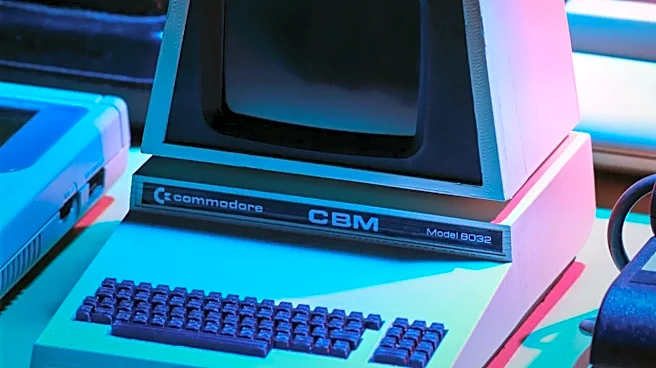
Think of the early internet, roughly from 1991 to 2004, as a massive digital library with a very strict librarian. This was Web 1.0, the “read-only” era. It wasn't designed this way for lack of imagination, but because of technical limitations and the prevailing
mindset. In the beginning, the internet was a place where a small number of creators—businesses, universities, and tech-savvy individuals—published information for a large audience to consume. Websites were static, built with basic HTML, and functioned like digital brochures or encyclopedias. Interaction was minimal; you could read content and click hyperlinks, but you couldn't easily talk back, create your own space, or engage with other users. The 'design' was a reflection of its purpose: to share information globally. The business model was straightforward, mimicking the real world: you built a digital storefront or published a catalog. The power rested entirely with the publishers who controlled the servers and the content. It was a one-way street, and for a while, that was revolutionary enough.
Web 2.0: When You Became the Product
The shift to Web 2.0 around 2004 wasn’t a single event but an explosion of interactivity. It was the dawn of the “read-write” web, where users weren’t just consumers but creators. This change was powered by new technologies that made websites more dynamic and responsive, but the real driver was a new business model. Platforms like Facebook, YouTube, and Twitter didn't sell content; they offered free tools for you to create and share your own. In exchange, they collected massive amounts of user data. This was the seismic shift: the primary commodity was no longer just the content on the page, but the user generating it. Your likes, shares, photos, and connections became the raw material for highly targeted advertising, an incredibly lucrative model that fueled the rise of Big Tech. The design of Web 2.0 is one of centralized platforms acting as powerful intermediaries. They provide the playground, and in return, they set the rules and monetize the activity. Power shifted from the original publishers to these massive, centralized platforms that controlled the flow of information and reaped the financial rewards.
Web 3.0: The Quest to Own Your Digital Life
Web 3.0 is best understood as a direct reaction to the perceived problems of Web 2.0: centralization, data exploitation, and a loss of user control. It's often called the “read-write-own” web. The core idea isn't just about creating content, but about owning your digital identity, assets, and data. The 'design' of Web 3.0 is built on decentralized technologies like blockchain, the same tech that powers cryptocurrencies. Instead of data being stored on a company's server (like Facebook's), it would live on a distributed network. In theory, this means no single entity could control or censor it. The vision is an internet where your online identity isn't tied to Google or Apple, but to a personal crypto wallet that you control, allowing you to move seamlessly between services. The business model is also radically different, based on token-based economics and decentralized autonomous organizations (DAOs). However, Web 3.0 is still largely a vision in progress. It faces huge challenges in usability, scalability, and regulation, which have so far prevented mainstream adoption. It represents a philosophical push to reclaim the internet from central platforms and return power to the individual user, but whether it can overcome its hurdles remains an open question.