




A Company Designed to Fail
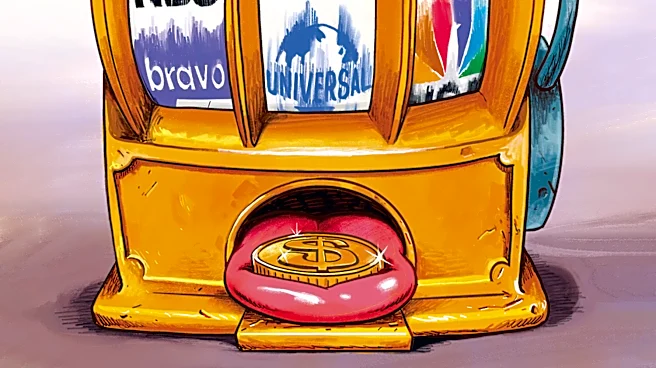
From its launch in 2007, Hulu was a paradox. It was a joint venture between corporate rivals—News Corp (Fox), NBCUniversal, and later Disney—who wanted to create a unified front against YouTube and piracy. But they also wanted to protect their own lucrative
cable TV businesses. This created an impossible situation for any leader. The very companies that owned Hulu were also its biggest competitors, constantly squabbling over strategy. They saw Hulu less as a bold new future and more as a defensive measure, a digital lifeboat they were simultaneously trying to steer in three different directions.
The Visionary and The Wall
Into this mess stepped founding CEO Jason Kilar, a former Amazon executive with a clear vision. Kilar was obsessed with user experience and wanted to build a service that could genuinely compete with Netflix. He pushed for more content, a better interface, and aggressive pricing for the Hulu Plus subscription service. But his ambition clashed directly with his bosses. The corporate parents balked at his plans, fearing Hulu was becoming too successful and would cannibalize their own channels. They wanted to pull back content for their own websites, stuff the service with more ads, and generally limit its power, leading to constant friction.
The Crisis Point: Kilar Departs
By late 2012, the tension was unbearable. Leaked memos revealed the board was already planning for a new CEO. In early 2013, Kilar, along with his Chief Technology Officer Rich Tom, officially resigned. This was the moment that should have killed Hulu. Its visionary leader was gone, the company was rudderless, and its owners immediately put it up for sale. With Netflix surging and its own corporate parents actively undermining its strategy, Hulu looked like a failed experiment, a 'ClownCo' as early detractors had nicknamed it.
Finding Stability in the Storm
After a period in limbo, the owners decided not to sell. Instead, they hired a new CEO, Mike Hopkins, in late 2013. Hopkins brought a crucial dose of stability. Instead of trying to out-Netflix Netflix, he leaned into what made Hulu unique: its connection to live television. Under his leadership, Hulu solidified its identity around providing next-day access to current broadcast TV shows. More importantly, he spearheaded the development of Hulu + Live TV, a brilliant strategic pivot that offered a 'skinny bundle' of live channels over the internet, tapping into a new market of cord-cutters and providing a reason to exist beyond its on-demand library.
The Disney Endgame
The fundamental conflict at Hulu's core—its competing owners—was finally resolved by industry consolidation. When Disney acquired most of 21st Century Fox in 2019, it gained a majority 60% stake in Hulu. Suddenly, the boardroom brawls were over. Disney had control. It quickly bought out AT&T's small stake and, after a lengthy process, finalized a deal in 2025 to acquire Comcast's remaining share. For the first time, Hulu had a single master with a clear, unified strategy, fully integrating it into Disney's broader streaming ambitions. The company that was born from conflict finally found peace, and a permanent home.