





From Face Computer to AI Companion
The first attempts at smart glasses, like the infamous Google Glass, got one thing wrong: they were perceived as clunky, screen-first devices for tech insiders. The 2026 generation is built on a completely different premise. The focus is no longer just
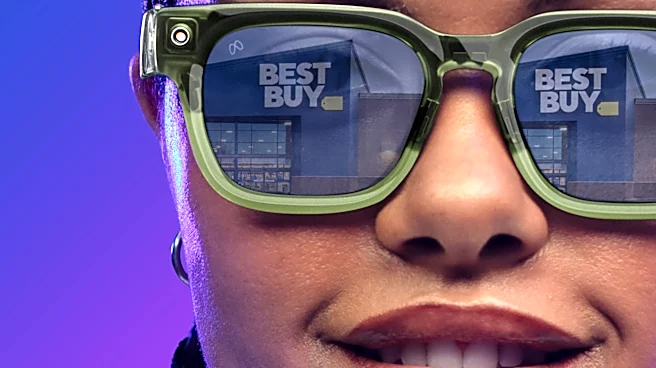
on putting a camera or a tiny display on your face. Instead, it’s about creating a true AI companion. The goal is to create a device that can see what you see, hear what you hear, and offer intelligent assistance without you ever needing to pull out your phone. Models like the latest Ray-Ban Meta glasses are less about recording your life and more about enhancing it with an AI that understands your context in the real world. This shift from a wearable computer to a wearable intelligence is the single most important change driving the category forward.
The AI Revolution in Miniature
So, what changed? The AI itself. We've witnessed a massive leap in what artificial intelligence can do, but the real breakthrough for glasses is making that AI smaller, faster, and more efficient. We're now in the era of “multimodal” AI, which can understand and process information from various inputs simultaneously—like images and voice commands. Ask your glasses, “What kind of plant is this?” and the AI uses the built-in camera to see the plant and your voice command to understand the question, delivering an answer through a discreet open-ear speaker. This is powered by specialized computer chips designed for wearables and AI models that can run directly on the device, ensuring quick responses and better privacy. This on-device power is what separates today's potential from yesterday's prototypes.
Hardware Finally Catches Up to the Idea
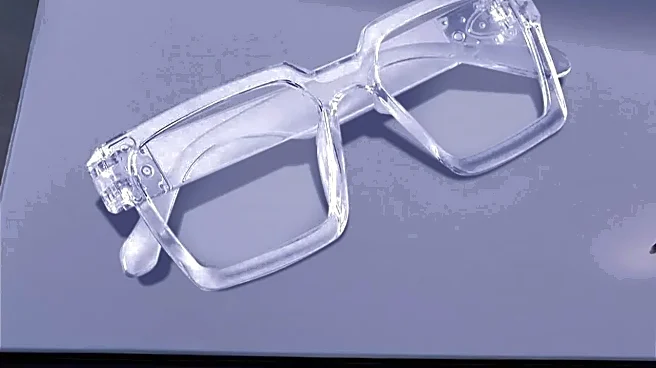
For any wearable to succeed, it has to be, well, wearable. Early smart glasses failed the social test because they were awkward, heavy, and had abysmal battery life. In 2026, the hardware is finally starting to disappear into designs people actually want to wear. Partnerships between tech giants and iconic eyewear brands like EssilorLuxottica have produced devices that look and feel like regular glasses. The components have been miniaturized: cameras are now a subtle 12 megapixels, microphones can isolate your voice in a crowd, and open-ear audio systems deliver sound without blocking your awareness of your surroundings. Crucially, battery life has improved, often supported by a portable charging case that provides power throughout the day, making the devices practical for all-day use.
Life Beyond the Smartphone Screen
The ultimate promise of smart glasses is a move toward “ambient computing”—a world where technology is seamlessly integrated into our environment rather than confined to a screen we constantly stare at. Think about how often you pull out your phone for small tasks: checking a text, getting directions, translating a menu, or identifying a landmark. Smart glasses can handle many of these tasks hands-free, letting you stay present in the moment. With a simple voice command, you can get real-time translations, have notifications summarized, or ask questions about what’s in front of you. This isn’t about replacing the smartphone entirely, but rather shifting our primary mode of interaction for quick, contextual tasks from our thumbs to our voice and vision.
Hurdles on the Horizon
Despite the immense potential, the path to mass adoption isn't guaranteed. Significant hurdles remain. Privacy is a major concern for both the wearer and the people around them. Social acceptance, while improving, is still a question mark in many contexts. Furthermore, cost remains a barrier for many consumers. While the technology is more useful than ever, developers are still searching for the “killer app” that will make smart glasses indispensable rather than just a convenient accessory. Companies are betting that real-time, AI-powered assistance is that application, but only widespread use will prove them right. For now, there is a healthy dose of public skepticism about AI replacing human connection and jobs, and many people still prefer interacting with a human over an AI.