







The AI Arms Race is Eye-Wateringly Expensive
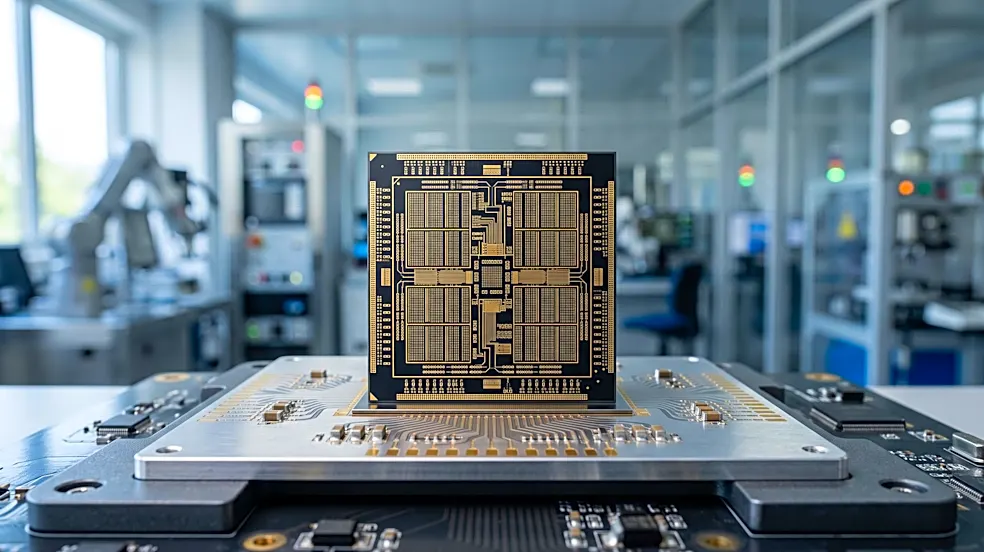
The generative AI revolution runs on one thing: immense computational power. This power comes from highly specialized chips called Graphics Processing Units (GPUs), primarily supplied by Nvidia. For cloud providers like Microsoft, Amazon, and Google,
competing in the AI era means buying as many of these GPUs as they can get their hands on, and the price tag is staggering. Microsoft's capital expenditures (CapEx) have surged, with plans to spend tens of billions of dollars each quarter. In fiscal year 2026, the company's CapEx reached nearly $116 billion, with a significant portion dedicated to GPUs and the data centers to house them. This level of spending naturally pressures free cash flow and operating margins, a fact that has worried some investors who see it as a drag on short-term earnings.
What Exactly Is a 'Cloud Moat'?
The term 'moat,' popularized by investor Warren Buffett, refers to a durable competitive advantage that protects a company's long-term profits from competitors. In the world of cloud computing, this has traditionally meant a few things: massive global data center infrastructure, high costs for customers to switch providers, and a rich ecosystem of software and services that lock businesses in. For years, Microsoft Azure, Amazon Web Services (AWS), and Google Cloud have been building these moats. Their scale allows them to offer computing services more cheaply than anyone else, while their integrated platforms make it difficult for customers to leave.
GPUs: The New Bricks in the Moat
The AI boom is reshaping what a cloud moat looks like. While data centers and software are still crucial, the most critical barrier to entry is now access to a massive fleet of GPUs. Companies and developers building the next generation of AI-powered applications need this hardware to train and run their models. The problem is, high-end GPUs are scarce and incredibly expensive. Microsoft’s strategy is to use its massive balance sheet to acquire a dominant share of this limited supply. In doing so, it creates a new, formidable barrier. Smaller cloud providers simply cannot afford to compete at this scale. Even other tech giants are now paying specialized 'neocloud' providers like CoreWeave for GPU capacity, highlighting the supply constraints. By securing this hardware, Microsoft ensures that the most innovative and demanding AI workloads run on Azure, further strengthening its ecosystem.
The Earnings Paradox, Explained
This brings us back to the paradox. The heavy spending looks like a flaw, but it’s a feature of the strategy. Microsoft is intentionally sacrificing some short-term profitability to secure a long-term, unassailable market position. The logic is that demand for AI services is already exceeding the available supply of specialized chips. By investing heavily now, Microsoft is building the infrastructure to capture future revenue as businesses move from AI experimentation to full-scale deployment. This spending is not just on hardware, but on embedding AI across its entire product suite—from Azure and Office to Windows and Dynamics. This integration turns AI into a feature of daily work for millions of enterprise users, creating a powerful flywheel of adoption and recurring revenue that will pay off for years to come.