







Not Your Father's Assembly Line
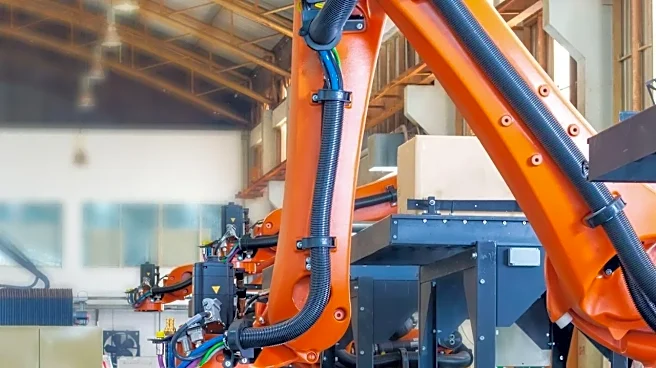
The conversation around automation used to be simple: robots taking over repetitive, manual jobs on a factory floor. That’s no longer the case. Today’s automation is powered by artificial intelligence, and it’s cognitive, not just mechanical. It’s helping
to screen job applicants, diagnose medical conditions, determine loan eligibility, and even write legal arguments. This new wave doesn't just replace physical tasks; it automates judgment. Companies are adopting this technology at a breakneck pace to increase productivity and reduce costs. The promise is enormous: AI and automation could boost global productivity significantly in the coming years. But as these systems move from the factory floor to the front office and into our daily lives, they are no longer just tools of efficiency. They are making consequential decisions that directly affect people's finances, health, and careers.
The Trust Deficit
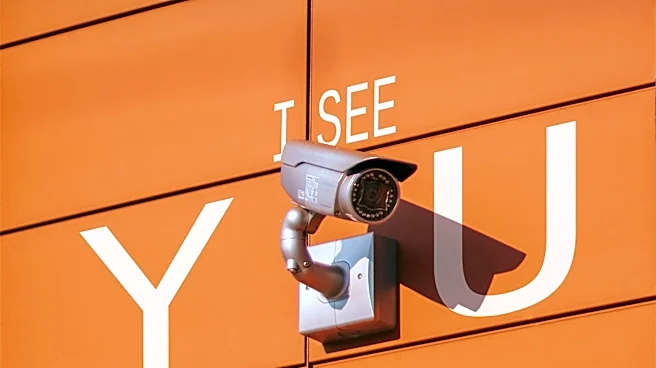
The core reason for the increased scrutiny is a growing trust deficit. Public sentiment is defined by caution and concern, with a majority of Americans expressing more worry than excitement about AI. A key driver of this distrust is algorithmic bias. Because AI systems learn from vast datasets of historical information, they can inadvertently absorb and even amplify existing societal biases related to race, gender, and socioeconomic status. This has led to real-world harm, such as biased hiring algorithms that filter out qualified candidates or risk-assessment tools in the criminal justice system that reflect historical inequities. Furthermore, there is a fundamental unease with the lack of transparency. Many AI decisions are made inside a “black box,” making it difficult to understand how or why a conclusion was reached. This opacity fuels public suspicion; polls show that large majorities of Americans distrust both companies and the government to use AI responsibly.
The New Rules of the Road
This public and political unease is rapidly translating into action. Lawmakers are no longer on the sidelines. While a comprehensive federal AI law remains elusive in the U.S., a complex patchwork of state-level regulations is quickly emerging. States like California, Colorado, and Illinois have passed laws requiring companies to be transparent about their use of AI in hiring and other consequential decisions, conduct risk assessments, and prove their systems are not discriminatory. The era of simply disclosing that AI is being used is over; now, companies are increasingly required to audit their systems and demonstrate fairness. This regulatory pressure isn't just a U.S. phenomenon; it's a global trend. But the scrutiny also comes from within, as businesses themselves grapple with the reputational and legal risks of deploying biased or unreliable AI, recognizing that trust is essential for long-term adoption.