






The Allure of the Humanoid Dream
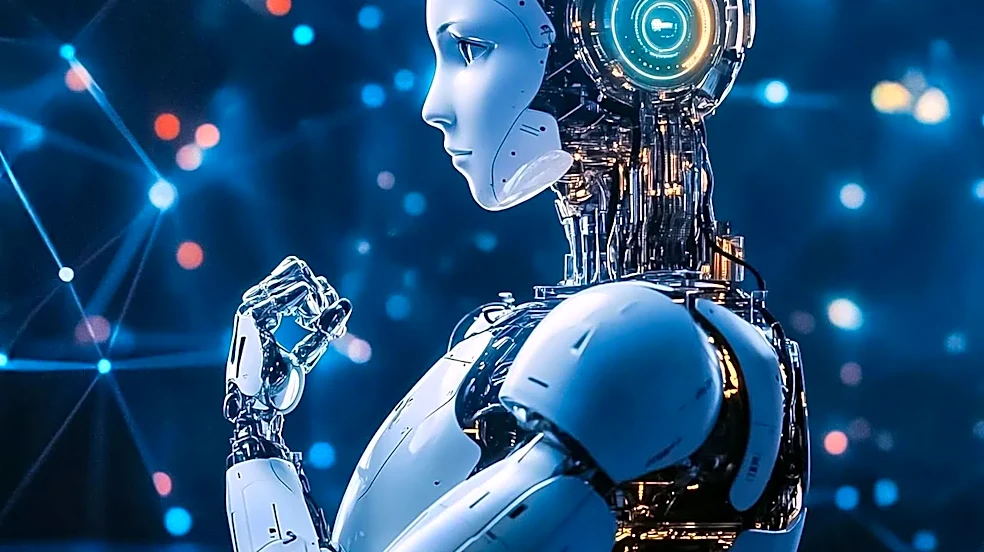
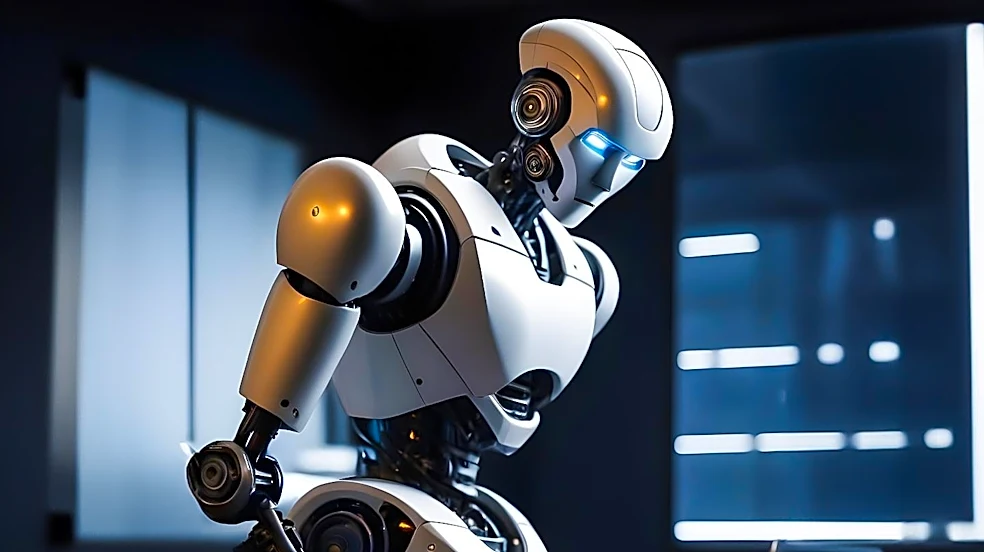
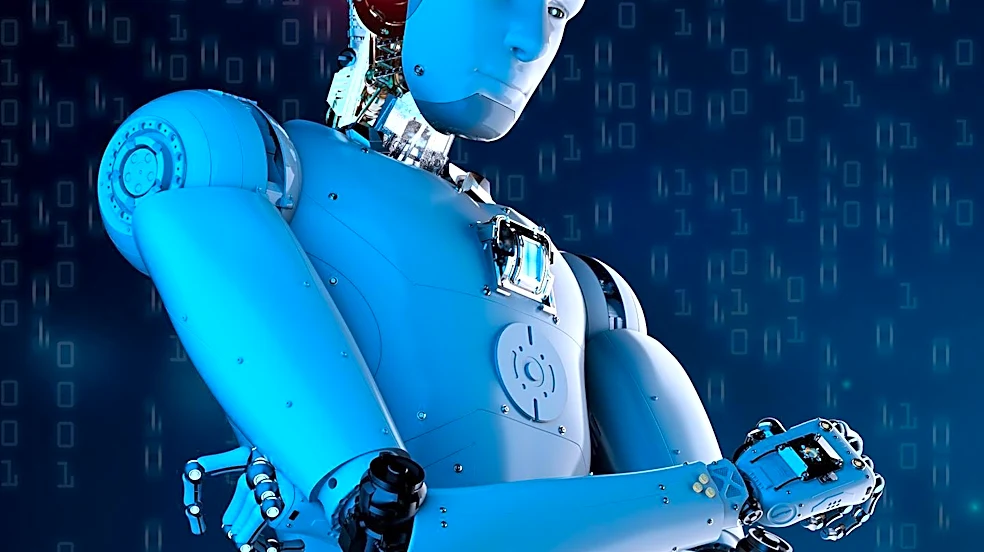
The vision is undeniably compelling: a robot shaped like a person, capable of navigating our world and performing any task we can. Tech firms are pouring billions into developing these 'general purpose' humanoids, showcasing prototypes that walk, carry
boxes, and even make coffee. The promise is that a single, adaptable robot could replace the need for multiple, task-specific machines. Because they are designed for human-centric environments, they could theoretically slot into existing factories and warehouses without expensive retrofitting. This dream of a universal worker is powerful, suggesting a future where automation is as flexible as the human labor it's meant to augment or replace. For businesses struggling with labor shortages, the appeal is obvious. But the gap between a choreographed demo and a 24/7 production environment is immense.
The Swiss Army Knife vs. the Power Drill
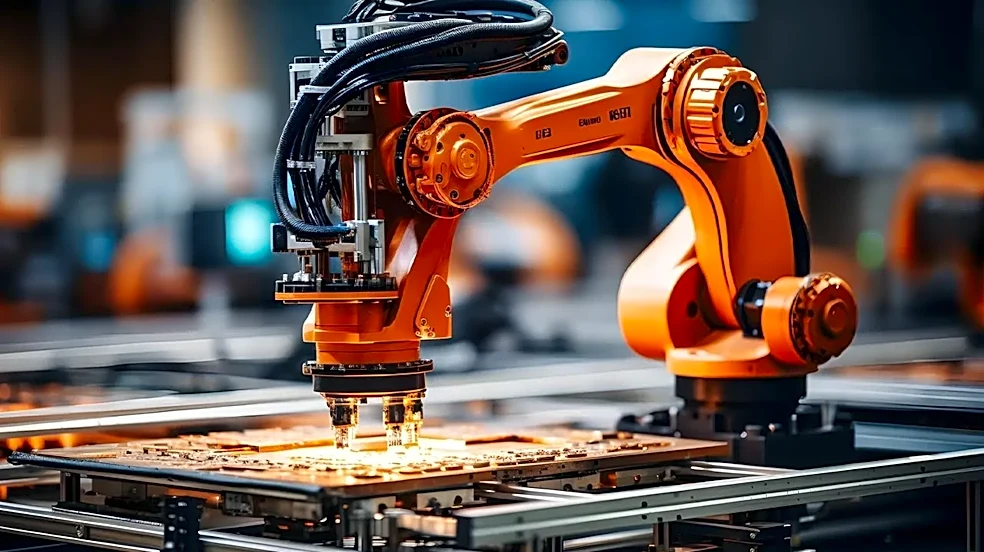
A humanoid robot is like a Swiss Army knife: it can do many things, but it’s rarely the best tool for any single job. Specialized industrial robots, by contrast, are like power drills—designed to do one thing with extreme speed, precision, and reliability. Think of a robotic arm on an assembly line that welds thousands of car doors a day, or an autonomous mobile robot (AMR) that sorts and transports packages in a warehouse. These machines are stripped of all unnecessary complexity. They don't need legs to navigate a factory floor if wheels are more efficient and stable. They don't need five-fingered hands if a simple vacuum gripper or a two-pronged clamp can pick up 10,000 identical items without ever dropping one. This focus on a single function makes them incredibly fast and reliable, with uptimes often exceeding 99%.
The Hidden Tax of Complexity
The very thing that makes humanoids fascinating—their complexity—is also their biggest industrial weakness. A bipedal robot with dozens of joints and sensors has dozens of potential points of failure. Keeping one balanced is a massive computational challenge, especially on an uneven or slippery factory floor. Their battery life is often measured in a few hours, not full shifts, requiring downtime for recharging or complex battery-swapping logistics. Furthermore, the cost remains a significant barrier. While prices are falling, a sophisticated humanoid is still far more expensive than a purpose-built robot that can deliver a clearer and faster return on investment. Gartner predicts that through 2026, fewer than 100 companies will move humanoid pilots to full-scale deployment, citing immaturity in the technology and a lack of proven cost-effectiveness.
Specialization in Action: The Unsung Heroes
While humanoids grab headlines, specialized robots are quietly transforming industries. In logistics, goods-to-person systems use fleets of small, wheeled robots to bring shelves to human pickers, drastically reducing walking time and boosting efficiency. Boston Dynamics, famous for its agile humanoid Atlas, has found commercial success with Stretch, a 'boring' but highly effective box-unloading robot on wheels. Stretch is designed specifically for trailers and shipping containers, able to move hundreds of cases per hour continuously. It doesn't need to walk; it needs to reach, grab, and move boxes with relentless consistency. It excels because its design is a direct answer to a specific industrial problem, not an attempt to solve every problem at once.
A Future for Both, But a Present for One
This isn’t to say humanoids have no future. They will likely find their niche in tasks that are too varied or unstructured for specialized robots but too dangerous or strenuous for humans. Think disaster response, certain types of maintenance, or navigating environments like stairs that are impassable for wheeled bots. The real story of industrial automation isn't a battle between two types of robots, but a story of finding the right tool for the job. For the foreseeable future, the core, high-volume, repetitive tasks that define most industrial workflows will belong to their specialized, unglamorous, and ruthlessly efficient cousins. The same AI and sensor advancements that power humanoids can also be placed into more specialized forms, giving businesses the 'brains' of a general-purpose system without the mechanical overhead.