







As a co-founder of Airbnb, Joe Gebbia is celebrated for transforming global travel. Yet his signature management style—deeply rooted in design-thinking and perfectionism—is a source of intense debate, earning both fierce loyalty and sharp criticism.
The Designer as Founder
To
understand Joe Gebbia’s leadership, you have to start at the Rhode Island School of Design (RISD), not Harvard Business School. Gebbia, who has dual degrees in graphic and industrial design, approaches business problems as design problems. Inspired by visionaries like Charles and Ray Eames, his philosophy is built on empathy, obsessive attention to detail, and the power of storytelling. At Airbnb, this translated into a fanatical focus on the user experience. He and his co-founders famously storyboarded the entire customer journey, from the first click to the end of a stay, to identify and perfect every emotional touchpoint. This design-first mentality is credited with building the trust necessary to convince millions of people to sleep in strangers' homes, turning a quirky idea into a hospitality giant. Supporters see this approach as his genius: a way to build products with soul that resonate with people on a human level.
Perfectionism as a Process
Gebbia's method is anything but hands-off. Those who thrive under his leadership often praise his ability to push teams beyond their perceived limits to achieve a higher standard of excellence. He is known for obsessing over details that others might dismiss as trivial, believing that design is the 'infrastructure for trust'. This perfectionism was a driving force behind Airbnb's polished, intuitive platform, which stood out in a sea of clunky competitors. However, this same trait has also been a source of friction. In 2014, an executive coach worked with Gebbia to address his perfectionist tendencies, helping him learn that speed can sometimes matter more than a flawless product. His team even created the slogan '80 percent equals done' as a reminder to prioritize progress, which he reportedly taped to his computer monitor. This anecdote reveals the core tension of his style: the visionary pursuit of perfection can easily become a bottleneck in a fast-moving organization.
The Friction of Scale and Politics
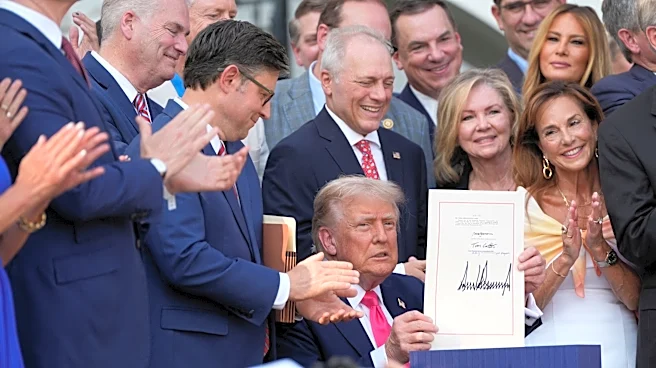
While a founder's deep involvement is crucial in a startup, it can become a liability as a company scales. Critics argue that Gebbia's meticulous, hands-on approach does not always translate well to a large, global corporation that requires delegation and operational efficiency. What feels like visionary guidance in a small team can be perceived as micromanagement in a larger one, potentially slowing down decision-making. More recently, Gebbia's management philosophy has intersected with a sharp political shift. Once a Democratic donor, he became an outspoken supporter of Donald Trump in 2025. His appointment as the U.S. Chief Design Officer and his involvement with the Department of Government Efficiency (DOGE) have been framed by him as applying his design principles to public service. But his public comments criticizing migration policies led to a backlash that ultimately prompted him to step down from the board of Airbnb.org, the company's humanitarian arm focused on housing refugees. This created a clear split between his personal brand and the inclusive ethos Airbnb had cultivated for years.
A New Chapter with Samara
After stepping back from his day-to-day role at Airbnb in 2022, Gebbia launched Samara, a company building prefabricated accessory dwelling units (ADUs), or backyard homes. The venture, which was incubated inside Airbnb, is a natural extension of his interests in housing, design, and economic empowerment. It's also a fresh canvas for his leadership style. At Samara, he aims to apply lessons from Tesla by making the process of buying a home as simple as buying a car online. The move suggests a doubling down on his core belief that complex problems can be solved through elegant, human centered design. The industry is watching to see if his famously exacting style will be the key to unlocking a notoriously difficult market or if the challenges of manufacturing, regulation, and construction will require a more flexible approach than the one that built a tech empire.