









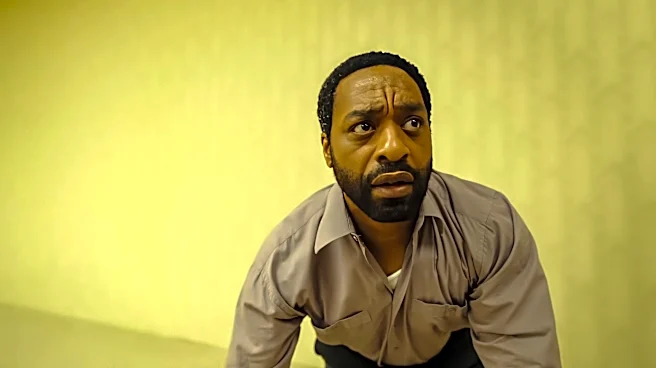
Unrest (2017)
If you've ever felt like a doctor wasn't listening, this film is for you. "Unrest" is a deeply personal and harrowing documentary directed by Jennifer Brea, who films her own descent into chronic fatigue syndrome (ME). It captures the frustration of having
a mysterious, debilitating illness that many in the medical establishment dismiss as psychosomatic. For the WebMD user obsessed with the diagnostic process, this is a raw look at what happens when the answers are nowhere to be found and a patient has to become their own advocate.
Diagnosis (2019)
This Netflix series is the ultimate fantasy for any armchair diagnostician. Based on Dr. Lisa Sanders' popular New York Times Magazine column, each episode presents a baffling medical case that has stumped doctors. Dr. Sanders then does what you've always wanted to do: she leverages the power of the internet, crowdsourcing potential diagnoses from people around the world. It’s a real-life version of "House," celebrating the hive mind and the relentless pursuit of an answer, no matter how obscure. The series is a compelling and often moving look at the detective work behind modern medicine.
The Bleeding Edge (2018)
Ever scroll through the "side effects" section of a medication and feel a chill run down your spine? "The Bleeding Edge" is that feeling in documentary form. This terrifying exposé dives into the largely unregulated medical device industry, revealing how some life-saving technologies can cause catastrophic harm. From faulty hip replacements to dangerous contraceptive implants, the film tells the stories of patients whose lives were upended by devices that were supposed to help them. It’s a powerful, cautionary tale that will make you question what’s really behind the tools of modern medicine.
Sicko (2007)
Anyone who has used WebMD to self-diagnose has likely had a follow-up thought: "How much would it cost to fix this?" Michael Moore's polemical documentary tackles this question head-on. "Sicko" investigates the American healthcare system by comparing it to the universal systems in countries like Canada, the UK, and France. While Moore’s style is famously bombastic, the film effectively highlights the often absurd and tragic outcomes of a for-profit healthcare model. It's essential viewing for understanding the systemic anxieties that often drive us to search for our own medical answers online in the first place.
How to Live Forever (2009)
Beyond diagnosing ailments, a core part of the WebMD experience is the aspirational search for wellness and longevity. This documentary taps directly into that impulse. Filmmaker Mark Wexler, prompted by his AARP card's arrival, travels the world to explore the science and philosophies of living a long life. He interviews a wide range of characters, from a 101-year-old chain-smoker to fitness guru Jack LaLanne and futurist Ray Kurzweil. The film is a quirky, thought-provoking, and ultimately poignant look at humanity's quest to cheat death, or at least postpone it in the healthiest way possible.