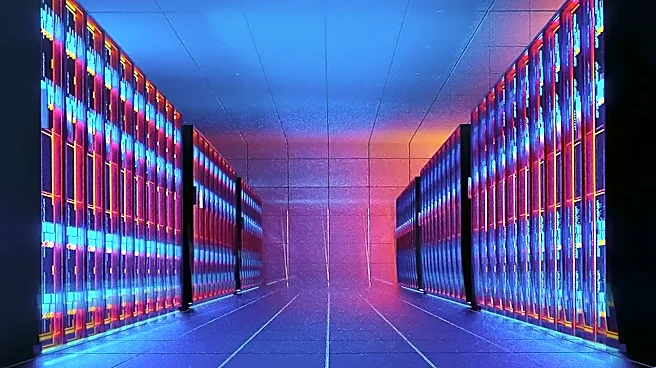





Meta's ambition to dominate the AI landscape depends entirely on a fleet of massive, purpose-built data centers. But building the engine for tomorrow's AI is a monumental task, fraught with complex and expensive technical hurdles.
5. The Custom Silicon Gamble
While Meta spends billions
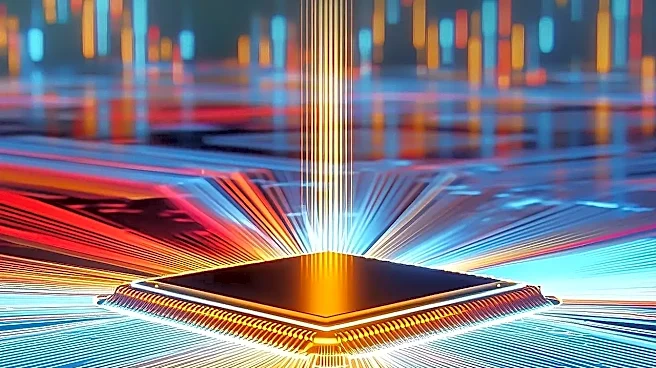
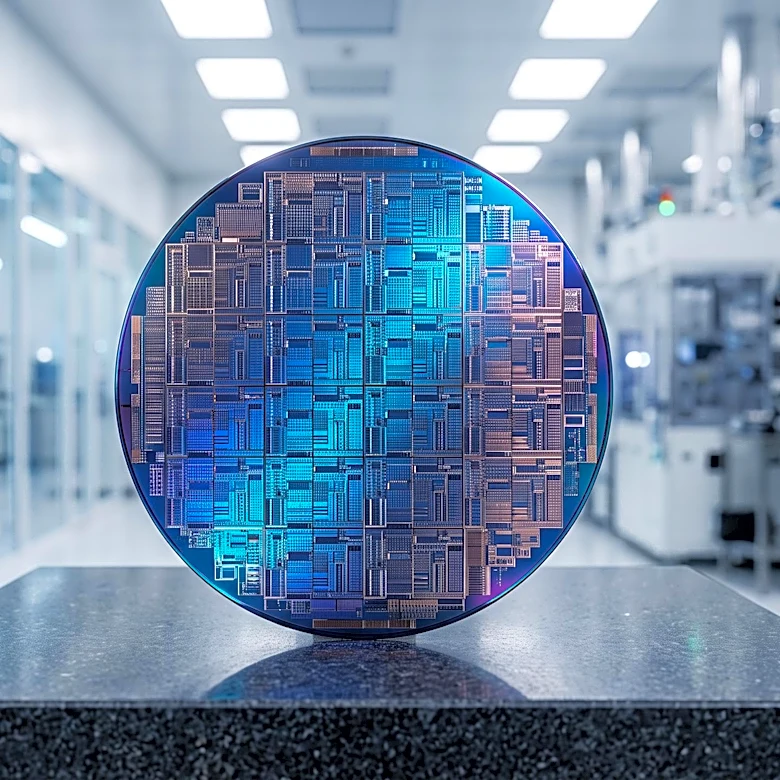
on GPUs from suppliers like NVIDIA, it's also pouring resources into its own custom chips, the Meta Training and Inference Accelerator (MTIA) family. The goal is to create silicon perfectly optimized for its own workloads, which could dramatically lower costs and reduce reliance on a single supplier. The challenge? Chip design is brutally hard. AI models evolve faster than the typical two-year chip development cycle, meaning a chip can be outdated before it's even deployed at scale. Meta is mitigating this with a rapid, iterative approach, planning multiple MTIA generations through 2027. It's a strategic bet that requires immense investment and carries significant execution risk, including manufacturing capacity and software optimization. Success means a powerful competitive advantage; failure means billions spent chasing a moving target.
4. The Global Supply Chain Gauntlet
Building AI superclusters requires a staggering volume of specialized equipment, from GPUs and custom chips to transformers, switchgear, and fiber-optic cables. This isn't like ordering office supplies; it's a global competition for limited manufacturing capacity. Key components have lead times stretching 18 months or more. Hyperscalers like Meta are essentially buying up entire production runs years in advance, creating a bottleneck for everyone else. A single delay—a holdup at a packaging facility for advanced chips or a slow delivery of cooling units—can cause a ripple effect, stalling a multi-billion dollar project. This high-stakes procurement battle means Meta must navigate geopolitical tensions, secure production slots against rivals, and manage immense financial risk just to get the parts it needs.
3. The Unprecedented Power and Cooling Demands
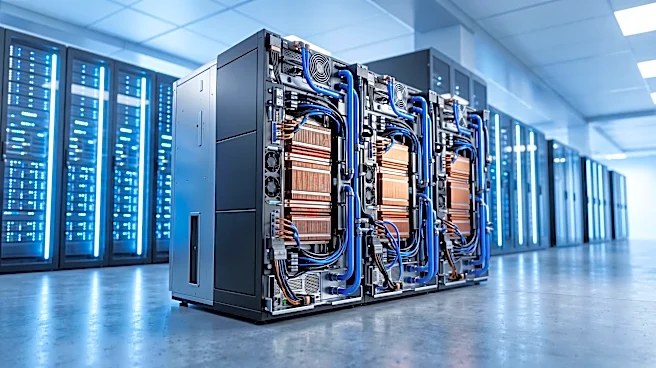
AI accelerators are incredibly power-hungry and generate immense heat. A single rack of 72 next-generation GPUs can draw over 170 kilowatts of power. Scaling this to hundreds of thousands of GPUs creates a power draw comparable to a mid-sized city. This has led to significant headwinds, with grid interconnection delays becoming a major obstacle; the median time from request to operation in the U.S. has spiked to five years. Beyond just getting the electricity, you have to dissipate the heat. Traditional air cooling is no longer efficient. As a result, Meta is heavily investing in direct-to-chip liquid cooling systems. These systems are more efficient but add another layer of complexity, requiring sophisticated plumbing and facility design. The environmental impact is also a huge challenge, with data centers requiring millions of gallons of water, creating tension with local communities and ecosystems.
2. The Networking Bottleneck
An AI data center is only as fast as the network connecting its thousands of processors. If GPUs are sitting idle waiting for data, millions of dollars of hardware are being wasted. The challenge is to create a 'fabric' that allows tens of thousands of GPUs to communicate as if they were one giant chip, with massive bandwidth and ultra-low latency. To solve this, Meta is co-designing its own networking architecture, moving from threendtier to flatter twondtier network topologies and developing custom switching hardware. Its 'Prometheus' supercluster uses an Ethernetndbased 'superndspine' to connect multiple buildings as a single machine, spanning miles of fiber. This involves solving complex problems like packet rendordering, load balancing, and failure handling at an unprecedented scale, all while pushing the limits of 800G and 1.6T Ethernet technology.
1. The Grand Integration Challenge
Ultimately, the single biggest challenge is making all these disparate, bleedingndedge components work together as a single, reliable system. Meta is deploying multiple generations of hardware from different vendors—NVIDIA GPUs, its own MTIA chips, Broadcom and Arista networking gear—and needs them to function in lockstep. This is a systems integration problem of staggering complexity. A failure in a single cable or switch can halt a massive training job, costing enormous amounts of time and money. Meta's engineers must write the software (like its own network operating system, FBOSS) and develop the operational expertise to manage and optimize this fleet. Achieving high 'goodput'—the actual productive processing time—and a high mean time between interruptions is the ultimate metric of success. Power, cooling, and networking are immense hurdles, but integrating them all into a stable, performant supercomputer at gigawatt scale is Meta's true mountain to climb.