








The Mic Isn't the Magic Bullet
Here's the secret: a microphone doesn't exist in a vacuum. Its performance is fundamentally tied to two things that have nothing to do with its brand or price: the room you're in and the equipment it's plugged into. Poor audio quality is one of the top
reasons listeners abandon a show. While countless reviews pit one microphone against another in a pristine studio, they miss the most important part of the equation for home podcasters. A $400 microphone can sound worse than a $100 one if it’s used in the wrong space or paired with the wrong gear. The 'hidden detail' isn't a single item; it's the ecosystem around your mic. Thinking about this ecosystem is the difference between sounding like a pro and sounding like you're recording in a bathroom.
Your Co-Host Is the Room
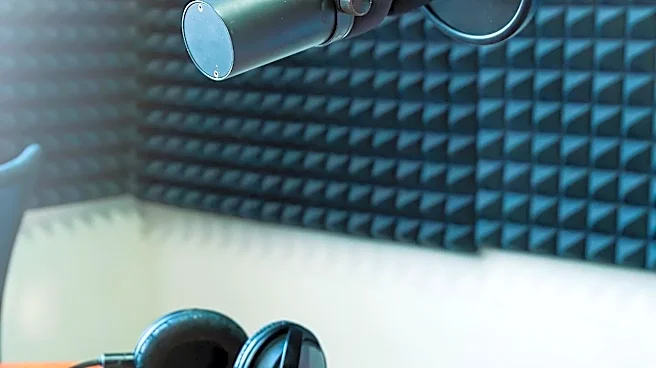
The single biggest, and most-often overlooked, factor in your sound quality is your recording space. Hard, flat surfaces like bare walls, hardwood floors, and large windows are the enemy of clean audio. They create echo and reverberation, making your voice sound distant and unprofessional. Many popular condenser microphones, like the Blue Yeti, are incredibly sensitive and designed to pick up a wide range of sound, which means they excel at capturing every bit of that distracting room echo. This is why a podcaster in a walk-in closet full of clothes often sounds better than one in a spacious, empty office. The clothing acts as a natural sound absorber. You don't need to spend a fortune on professional acoustic foam. Start by recording in a smaller room with soft furnishings: carpets, curtains, bookshelves, and even heavy blankets hung on the walls can dramatically absorb sound reflections and clean up your audio.
The Unsung Hero: Your Audio Interface
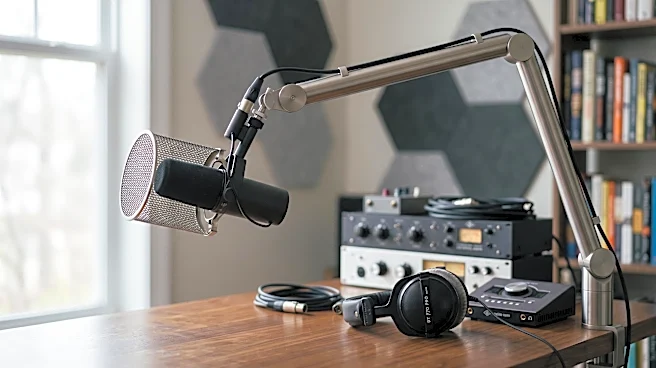
If you're using an XLR microphone (the kind with the three-pin connector), it doesn’t just plug into your computer. It connects to an audio interface, which contains a critical component called a preamplifier, or 'preamp'. The preamp's job is to boost the very quiet signal from the microphone to a usable level. This is where many aspiring podcasters go wrong. They pair a high-quality, power-hungry microphone (like the famously 'gain-hungry' Shure SM7B) with a cheap, entry-level interface. The weak preamps in that interface can 'starve' the microphone, resulting in a thin, noisy, and underwhelming sound. It's like putting budget tires on a sports car. A bad preamp can make a good mic sound bad. While the microphone is arguably the most important link, the preamp is a close second. Investing in a decent interface with clean, powerful preamps ensures your microphone gets the power it needs to perform at its best.
How to Build a Smarter Setup
So, how do you apply this? Rethink your budget allocation. Instead of spending your entire $300 budget on a microphone alone, adopt a system-based approach. For example, consider a well-regarded $100-$150 dynamic microphone like the Rode PodMic or Shure MV7, which are great at rejecting room noise. Spend another $100-$150 on a solid audio interface from a brand like Focusrite or Audient, known for quality preamps. Use the remaining budget on a boom arm to ensure proper mic placement (about a fist's distance from your mouth) and some basic room treatment. This balanced setup will produce far more professionalnding audio than an expensive microphone in a bad room plugged into a cheap interface. USB microphones like the Shure MV7+ or Audio-Technica ATR2100x are a great allinone starting point because their internal components are already matched, but the principle remains: control your recording environment first.