







Selling Free Software in a Box
In the late 1990s and early 2000s, Red Hat was the friendly face of Linux. For many, their first experience with the open-source operating system came from a Red Hat Linux CD-ROM purchased at a computer store. The company, founded in 1993, had built a business
on packaging the sprawling, community-developed Linux kernel into a user-friendly distribution. But the business model was fundamentally flawed: they were selling a product that was, by its very nature, free. Revenue came from selling these boxed sets, but with each new version released every six months, they were stuck in a traditional software cycle, hoping customers would upgrade. The model was innovative on the development side—leveraging global open-source collaboration—but conventional and limiting on the business side. The core question was existential: how do you build a billion-dollar company on free software?
The Controversial Pivot
The hidden decision came in 2003: Red Hat announced it was discontinuing its popular, accessible Red Hat Linux product line. This was the primary source of the company's revenue and brand recognition. In its place, Red Hat would offer two distinct products. First was Fedora, a community-driven, cutting-edge version that would serve as a development ground for new technologies—and would remain entirely free. The second was Red Hat Enterprise Linux (RHEL), a highly stable, secure, and rigorously tested version aimed squarely at corporate data centers. The catch? RHEL would not be sold as a product but as a subscription. Companies wouldn't pay for the software itself, which was still open source, but for the ongoing service: support, maintenance, security patches, and the guarantee of stability. For the open-source community, it felt like a betrayal, as if the accessible gateway to Linux was being shut behind a corporate paywall.
The Bet on Boring
The backlash was immediate, but Red Hat, led by then-CEO Matthew Szulik, held its nerve. The company was betting on a simple, powerful insight: developers and hobbyists want the latest features, but enterprises crave stability. Businesses running critical systems don't want to overhaul their infrastructure every six months for a new software version. They need predictability, long-term support, and someone to call when things go wrong. The RHEL subscription model offered exactly that. It transformed Red Hat from a product company into a service company. The value proposition was no longer the code on a CD, but the peace of mind that came with a Red Hat subscription. This decision effectively created a two-speed engine: Fedora would innovate rapidly at the edge, and the best, most stable of those innovations would be hardened over time and incorporated into RHEL.
The Birth of an Enterprise Giant
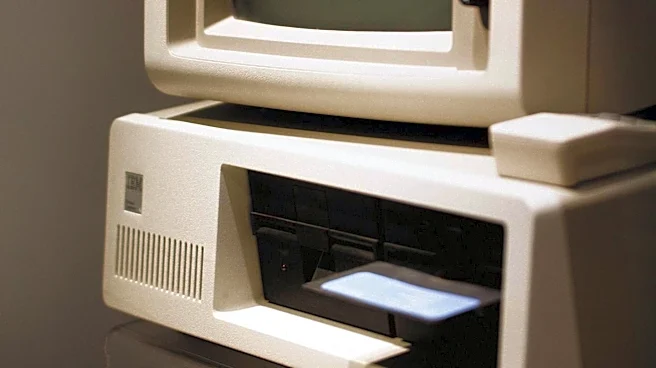
The gamble paid off spectacularly. Red Hat Enterprise Linux became the backbone of corporate IT, trusted by more than 90% of Fortune 500 companies. The subscription model created a predictable, recurring revenue stream that turned Red Hat into the first billion-dollar open-source company in 2012. This financial stability and deep enterprise integration is precisely what made it such an attractive acquisition for IBM in 2019. The move to subscriptions didn't just reshape Red Hat; it created the dominant business model for commercializing open-source software, a playbook that countless other companies have since tried to replicate. By choosing to sell stability instead of software, Red Hat found a way to capture value from the open-source movement without compromising its core principles, securing its place as a pillar of the modern hybrid cloud.