





The Post-9/11 Pitch Everyone Hated
After selling PayPal to eBay in 2002 for $1.5 billion, Peter Thiel wasn’t interested in building another consumer app. The 9/11 attacks had revealed a critical failure: U.S. intelligence agencies couldn't connect the dots because their data was siloed.
Thiel believed the fraud-detection software that helped PayPal fight Russian mobsters could be adapted to hunt terrorists. The idea was to create a single platform, named Palantir after the 'seeing stones' in 'The Lord of the Rings', that would allow human analysts to sift through massive, disparate datasets to find hidden threats. When CEO Alex Karp and the early team pitched this to Silicon Valley's elite VCs on Sand Hill Road, they were met with blank stares and mockery. Investors told them they were crazy to work with the government, that the sales cycles were too long, and the idea was simply not possible. One prominent investor at Kleiner Perkins reportedly lectured them on their inevitable failure, while another at Sequoia doodled through the entire meeting.
A Contrarian Bet on 'Secrets'
The rejection was a blessing in disguise. It reinforced Thiel’s core investment philosophy, later detailed in his book 'Zero to One': true innovation comes from betting on important truths that few others see. He calls these 'secrets.' While other VCs were chasing the next social media app—a '1 to n' improvement—Thiel wanted to create something entirely new, a '0 to 1' company. Palantir was the ultimate embodiment of this. It wasn’t a trendy consumer product; it was a mission-oriented company aimed at solving a unique and difficult problem for a client base everyone else ignored. Convinced of the idea's importance, Thiel did what the VCs wouldn't: he bankrolled the company himself, putting in an initial $30 million of his own money to get the prototype built.
An Unlikely First Investor
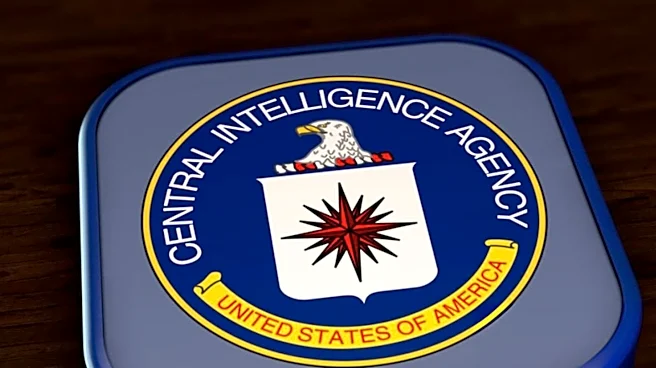
Without traditional funding, Palantir needed a different kind of validation. They found it in the most unusual of places: the CIA. A VC who rejected them suggested they contact In-Q-Tel, the intelligence agency’s own venture capital arm. The CIA was Palantir’s ideal first customer, as they were struggling with existing data analysis tools and needed a better solution. In 2005, In-Q-Tel invested about $2 million. This wasn't just about the money; it was a critical stamp of approval. More importantly, it gave Palantir direct access to the analysts who would be using the software. For the next three years, the CIA was Palantir's only client, allowing the company to refine its product based on the real-world needs of intelligence officers, effectively co-developing what would become its flagship 'Gotham' platform.
From Mockery to a Data Juggernaut
The close collaboration with the CIA was Palantir's turning point. The company pioneered a new role called the 'forward-deployed engineer,' embedding its tech talent directly within client organizations to build custom solutions on-site—a radical departure from the remote, campus-centric culture of Silicon Valley. With the CIA's seal of approval, word of Palantir’s powerful capabilities spread through the intelligence community. Soon, the FBI, NSA, and other government agencies came calling. The very market that venture capitalists had dismissed as impossible became Palantir's fortress. The company proved that its technology could be applied beyond counter-terrorism, helping financial regulators uncover massive Ponzi schemes and eventually expanding into the commercial sector with major corporate clients. The initial mockery had forced Thiel to build his company on his own terms, creating a data powerhouse that became indispensable to the Western world's defense and intelligence infrastructure.