







The New 'No-Code' Moment
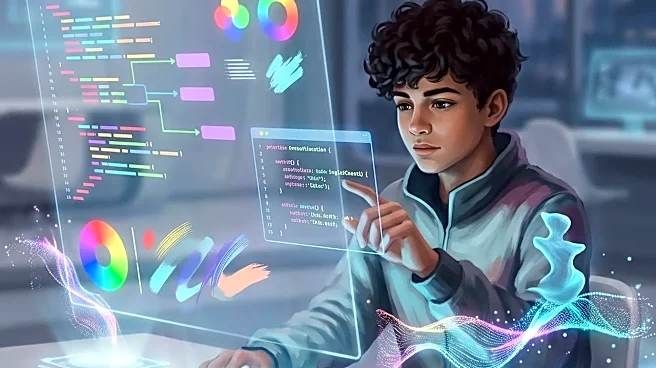
One of the cornerstone announcements was the ability for anyone to create their own custom versions of ChatGPT, called GPTs, without writing a single line of code. This is a profound shift. By allowing users to create specialized AI 'agents' with custom instructions
and knowledge, OpenAI has effectively democratized the creation of simple AI tools. This move signals that the value in the near future isn't in building basic AI applications from scratch. That work is being automated and productized. Instead, the opportunity is shifting toward the 'builders' who can cleverly define a task and package it into a useful, specialized GPT for others to use. The 'GPT Store' further underlines this strategy, creating a marketplace dynamic similar to Apple's App Store, turning a feature into a full-fledged developer ecosystem.
From Coder to AI Orchestrator
For more technical roles, the message was just as clear but pointed in a different direction. The introduction and evolution of tools like the Assistants API (now evolving into the Responses API) show that OpenAI wants developers to stop worrying about the underlying model and start building complex applications on top of it. This API lets developers build powerful, stateful assistants into their own apps, complete with memory and the ability to use tools like code interpreters. The job is no longer about being a low-level coder but an 'AI orchestrator'. The most valuable technical skill is becoming the ability to intelligently connect these powerful, pre-built AI components, manage their workflows, and integrate them into existing business processes. It’s less about constructing the engine and more about designing the entire vehicle around it.
Domain Expertise Is the New Currency
The rise of 'prompt engineering' was the first sign of a new kind of AI-native job. DevDay's announcements signal the next, more mature phase. Custom GPTs and advanced assistants thrive on specific, high-quality knowledge. A lawyer who can train an AI assistant on a specific corpus of case law or a financial analyst who can build a GPT to analyze market data will be more valuable than a generic coder. OpenAI is making the technology itself an accessible commodity. As a result, deep expertise in a specific field—be it medicine, education, or marketing—becomes the primary driver of value. The future of many knowledge-work jobs will involve curating data, defining tasks, and managing AI agents that augment their specific professional skills.
Building an Unavoidable Ecosystem
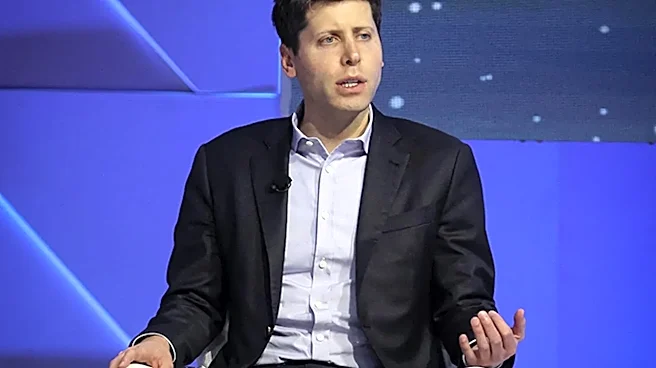
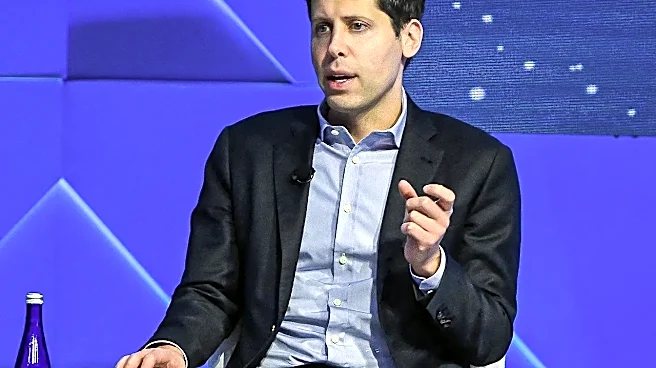
Ultimately, every announcement at DevDay points to a single grand strategy: building an ecosystem so comprehensive that it becomes the default platform for AI development. By providing everything from no-code tools for amateurs to sophisticated APIs for enterprise developers, OpenAI is positioning itself at the center of the new AI economy. This isn't just about creating better products; it's about defining the next generation of jobs. The company is encouraging the entire labor market, from solo creators to massive corporations, to build their futures on top of its infrastructure. In doing so, it ensures that as AI reshapes the world of work, the most valuable new roles will be those that require fluency in the OpenAI ecosystem. CEO Sam Altman has even acknowledged that AI will reshape work as we know it, creating new kinds of value and new kinds of jobs we might find 'silly' by today's standards.