






Beyond the Shiny Gadgets
For years, the conventional wisdom was that Apple's moat—its competitive advantage—was built on two things: a powerful brand and beautiful, easy-to-use products. That's true, but it's a dangerously incomplete picture. The real fortress isn't just the iPhone
in your hand; it's the sprawling, interconnected ecosystem that the iPhone unlocks. This system is designed to make entering easy and leaving a genuine chore. While competitors can build a better camera or a faster chip, they struggle to replicate the seamless integration of Apple's hardware, software, and services that work together by design. This creates high switching costs that aren't just financial, but behavioral and emotional. It’s not a single wall, but a series of reinforcing barriers.
The Golden Handcuffs of Software
The most powerful part of this moat is the one Wall Street has the hardest time quantifying: the software and services layer. Consider iMessage, with its blue bubbles creating social pressure among teens. Think about iCloud, which holds your photo library, backups, and passwords hostage. Or features like AirDrop and Handoff, which make moving between a Mac, iPad, and iPhone feel like magic. These aren't just features; they are deep, structural locks. Each service you adopt—Apple Music, Apple TV+, Apple Fitness+, Apple Pay—adds another bar to the elegant cage. Leaving doesn't just mean buying a new phone; it means rebuilding your digital life from scratch, a hassle most users are unwilling to undertake.
The Unseen Force of Integration
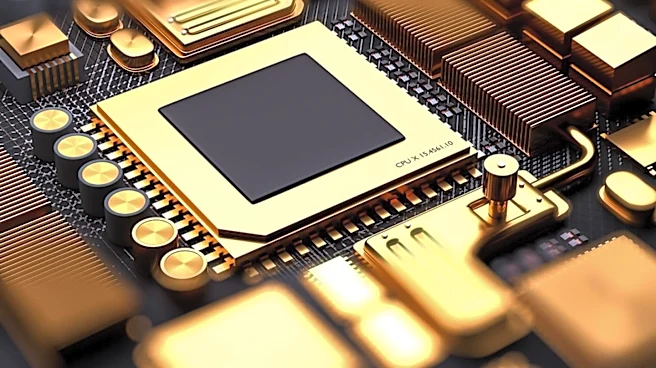
Apple's obsession with controlling the "whole widget" is its superpower. By designing its own silicon (like the A-series and M-series chips), operating systems, and core applications, Apple achieves a level of performance and efficiency that competitors using off-the-shelf components can't match. This vertical integration means new AI features can be optimized to run on-device for privacy and speed, a key selling point in a data-hungry world. This deep engineering synergy isn't just about making products better; it’s about making them better together. A Samsung phone and a Windows laptop can't communicate with the same frictionless elegance as an iPhone and a MacBook. That seamless experience is the moat, and it's a competitive advantage that is incredibly difficult and expensive to replicate.
The Slow Invasion of Your Life
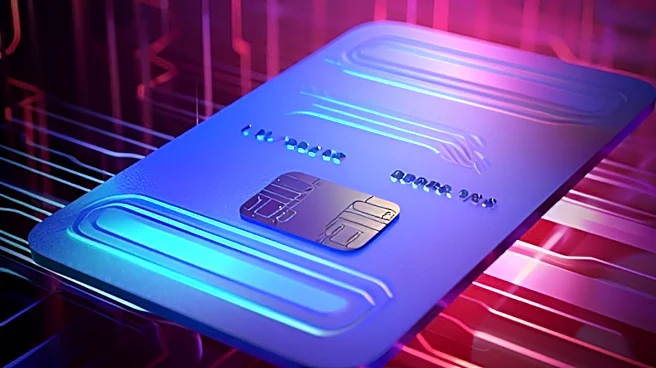
Perhaps the most overlooked part of the strategy is Apple's patient expansion into new, deeply personal territories. The Apple Watch wasn't just a new gadget; it was a move into health and wellness. By tracking activity, heart rate, and more, Apple embedded itself into its users' daily health routines. Similarly, Apple Pay and the Apple Card aren't just payment tools; they are an entry point into personal finance. These services increase the ecosystem's stickiness exponentially. Moving your music library is one thing; moving your health data or financial history is another level of entanglement entirely. This gradual creep into every corner of a user's life solidifies the moat in ways that quarterly sales figures for a new foldable phone simply cannot capture.