





The Underwhelming First Impression
The initial tech commentary was laced with skepticism. Critics homed in on what the first-generation iPad lacked: a camera, USB ports, Adobe Flash support, and true multitasking. It was heavy, and some reviewers found it tiring to hold. The prevailing
narrative was that Apple had simply scaled up its existing mobile OS for a larger screen. It was seen as a device for consumption—watching videos, browsing the web, and reading books—not for serious creation. The question on everyone's mind was whether there was even a market for a product that sat awkwardly between a smartphone and a laptop.
Redefining the Playing Field
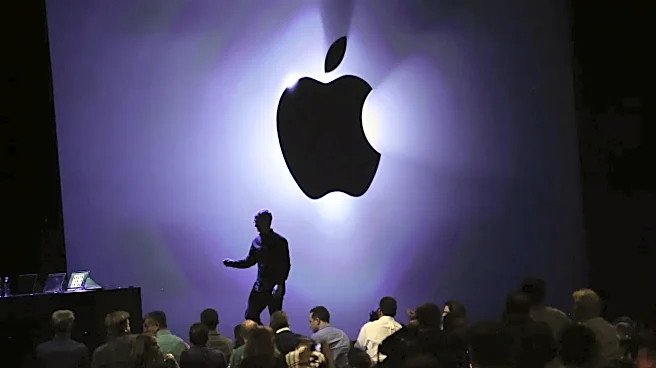
What the skeptics failed to grasp was Steve Jobs's core pitch: the iPad wasn't meant to replace the laptop, but to create a 'third category' of device. He argued that for tasks like browsing, email, and media consumption, a new form factor could be far better than either a phone or a traditional computer. Sitting casually in a leather chair onstage, he demonstrated an intimate, direct way of interacting with the web and apps that a keyboard and mouse couldn't replicate. This wasn't about specs; it was a strategic bet on a new kind of personal computing—more relaxed, more intuitive, and more accessible to people who found traditional PCs intimidating.
The App Store Was the Secret Weapon
The hardware, however, was only half the equation. The true masterstroke was giving developers a 9.7-inch canvas and the tools to build apps specifically for it. While the iPad launched with just 12 new apps designed for the device, it could also run the 140,000 iPhone apps already in the App Store. Soon, a wave of tablet-optimized apps transformed the device's potential. Games became more immersive, news apps offered magazine-like layouts, and creative tools for drawing and music production flourished. The iPad became whatever developers imagined it to be, turning a seemingly limited device into an endlessly versatile tool for work and play.
The Ripple Effect on an Entire Industry
The iPad's success sent shockwaves through the tech industry. Within 80 days, Apple sold 3 million units, and by the time the iPad 2 launched a year later, that number had surged to over 15 million. Sales of netbooks, once touted as the future of casual computing, collapsed. Traditional PC giants like Microsoft and Intel, whose 'Wintel' alliance had dominated for decades, were caught flatfooted. Microsoft scrambled to reengineer its flagship operating system with Windows 8, a touchfocused interface that proved to be a critical failure. The iPad didn't just create the modern tablet market; it forced every other major tech company to react than fundamentally altering the trajectory of personal computing for the next decade.