





Why the 'Gimmick' Label Stuck
Let's be honest: the ghost of the original Google Glass haunts this entire category. Launched with tremendous hype, it crashed spectacularly due to its high price, poor battery life, privacy concerns, and a design that screamed 'I'm recording you.' It
created a powerful and lasting impression of smart glasses as a solution in search of a problem—a socially awkward, overpriced gadget. For years, that reputation was deserved. The technology felt half-baked, and the use cases were more about novelty than necessity. This history is precisely why the 'gimmick' myth has been so hard to shake. Early failures defined the public's perception, creating a high barrier for any new product to prove its worth.
The Enterprise Revolution, Hands-Free
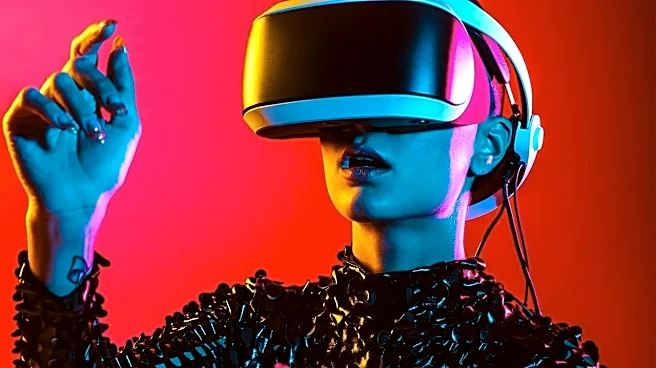
While consumers were laughing, businesses were getting to work. The most significant, yet least visible, success for smart glasses has been in the enterprise sector. In warehouses, logistics companies like DHL have used 'vision picking' for years, where glasses display order information directly in a worker's line of sight, boosting efficiency and accuracy. In 2026, this is becoming mainstream. Technicians in the field use them for remote assistance, streaming their view to an expert who can guide them through a complex repair, saving time and travel costs. Surgeons overlay patient data during operations, and manufacturers use them to guide complex assembly, reducing errors. These aren't flashy applications, but they deliver measurable ROI. The key difference is that these devices are designed for specific jobs, prioritizing function over fashion and solving real business problems.
Beyond Convenience, Toward Empowerment
Perhaps the most compelling argument against the 'gimmick' label is the profound impact smart glasses are having on accessibility. For people with visual impairments, AI-powered glasses can now describe their surroundings, read barcodes and SKUs on products, and identify objects. At companies like Bosma Enterprises, this technology enables visually impaired employees to perform warehouse and inventory jobs with greater independence. For those who are deaf or hard of hearing, smart glasses can provide real-time transcriptions of conversations, displayed discreetly in their vision. Live translation features are also breaking down communication barriers, offering whispered translations that feel more natural than staring at a phone. These aren't just convenient features; they are life-changing tools that provide a level of autonomy previously unavailable.
The Trojan Horse of Style
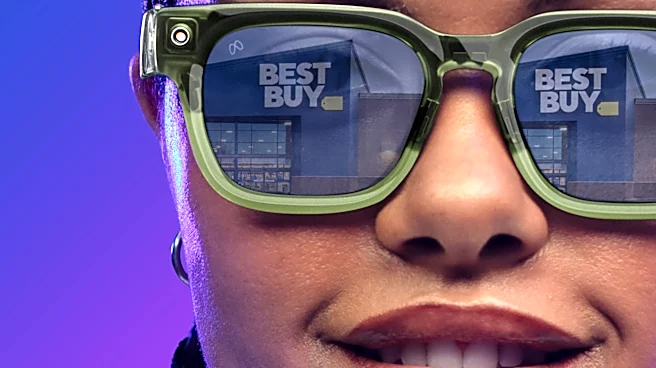
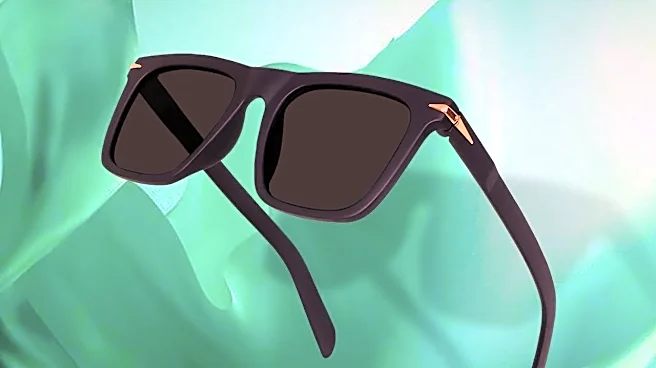
The consumer market is also making a comeback, but with a completely different strategy: subtlety. The success of the Ray-Ban | Meta collaboration shows the new path forward. These devices look, first and foremost, like normal, stylish glasses. They offer useful features—a decent camera for hands-free photos and videos, open-ear audio for music and calls, and integrated AI assistance—without the obtrusive look of early models. People are buying them because they are great Ray-Bans that also happen to have smart features. Shipments grew 167% year-over-year in 2026, and Meta is reportedly ramping up production to meet surging demand. By hiding the tech in plain sight within a desirable fashion accessory, companies have found a way to reintroduce smart glasses to a public that was once deeply skeptical. The focus has shifted from overt technology to integrated, useful, and stylish enhancements.