




More Than Just Speed
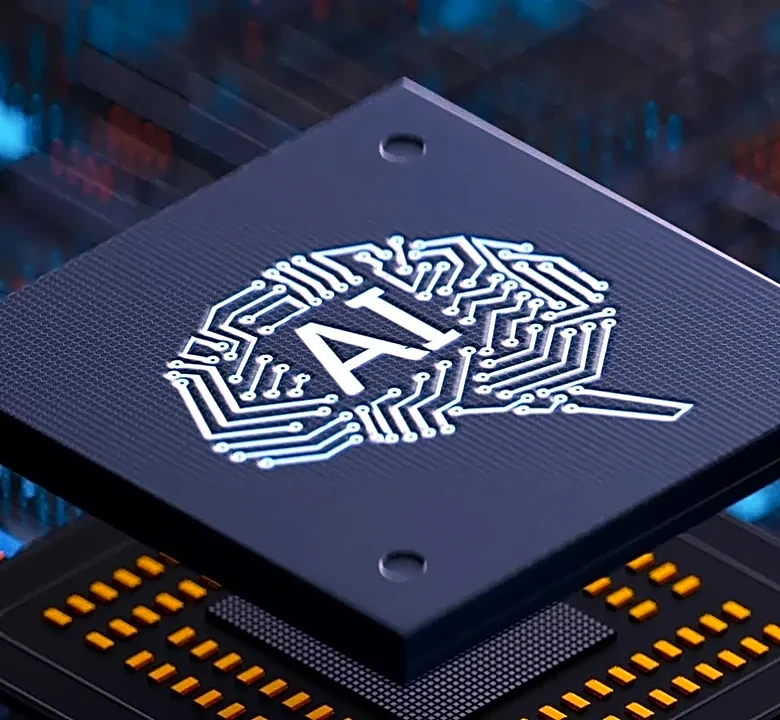
On paper, the performance leap from the Hopper architecture (powering the H100 and H200 GPUs) to the new Blackwell series (B200, GB200) is staggering. Blackwell introduces a novel dual-die chip design, packing 208 billion transistors compared to Hopper's
80 billion. This enables massive gains in raw compute power. For AI inference—the task of running a trained model—Nvidia claims Blackwell can be up to 30 times faster at a rack level and offers a 2.5 times performance boost in training workloads. A key driver is the introduction of a new, lower-precision data format called FP4, which allows models to run much more efficiently without a significant loss in accuracy. Hopper lacks native FP4 support. This raw performance jump means fewer GPUs are needed to accomplish the same task, which is the first, most obvious factor in the economic equation.
The Hidden Costs of Power and Cooling
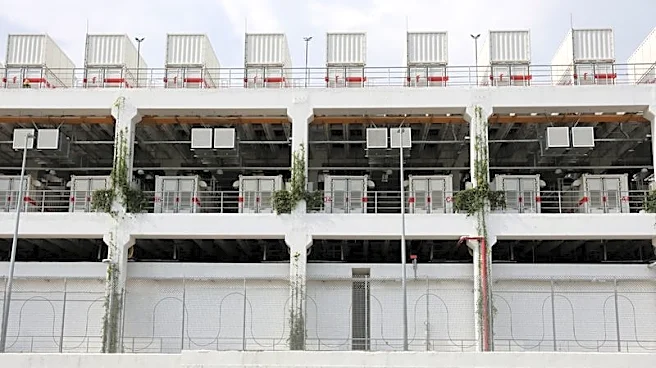
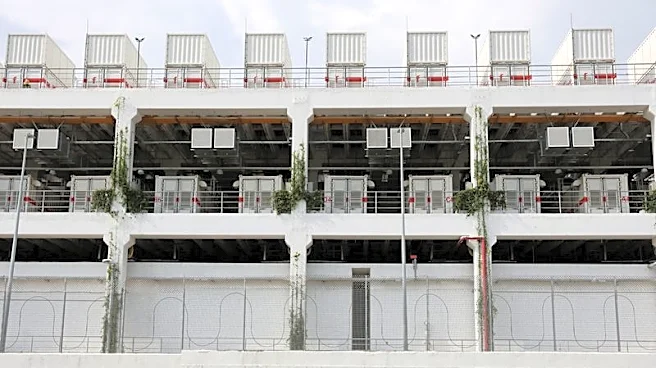
But a bigger engine often needs more fuel. A single Blackwell B200 GPU can draw up to 1,000-1,200 watts, a significant increase from the 700 watts of its Hopper H100 predecessor. This increased power draw has major knock-on effects for data center operators. Many existing facilities, designed around air-cooled, lower-power chips, simply cannot support dense deployments of Blackwell GPUs without significant and costly retrofits. The move to Blackwell often necessitates a transition to direct liquid cooling, a strategic infrastructure decision that goes far beyond a simple chip swap. While this sounds like a major cost increase, the economic picture is more complex. Nvidia claims that when measured by performance, the Blackwell platform can deliver up to 25 times lower energy consumption per token generated. The tradeoff is clear: higher power density and upfront facility costs for vastly improved operational efficiency at scale.
It’s All About the Interconnect
One of the most underrated factors in large-scale AI economics is the communication speed between GPUs. As AI models become too large to fit on a single chip, they must be split across multiple GPUs that constantly talk to each other. Slow communication creates a bottleneck that leaves expensive processors waiting, wasting both time and money. Blackwell doubles the bandwidth of its NVLink interconnect to 1.8 TB/s per GPU, up from 900 GB/s on Hopper. This dramatically reduces the time GPUs spend waiting for data from their neighbors. The result is that a cluster of Blackwell GPUs acts more like a single, massive processor. This is particularly crucial for the massive, trillion-parameter models on the horizon, where efficient scaling is the primary determinant of economic viability.
Putting It All Together: The TCO
When you combine the gains in compute performance, energy efficiency per token, and interconnect speed, the true economic picture emerges. The metric that truly matters is not the price of a single GPU, but the total cost of ownership (TCO) to achieve a specific outcome, like training a model or serving a million user queries. While an individual Blackwell chip is more expensive than a Hopper chip, the TCO for large-scale workloads is often significantly lower. The ability to do more with fewer chips reduces capital expenditure on servers and networking gear. The improved performance per watt, despite higher individual chip power draw, can lower operational electricity costs for a given workload. For companies operating at the frontier of AI, the decision becomes clear: investing in Blackwell's higher-priced, higher-density platform unlocks substantial long-term savings and capabilities that are simply not possible with the previous generation. For smaller-scale tasks, however, the mature and more widely available Hopper architecture can still represent better value.