


For the Literal Interpretation: The Vow
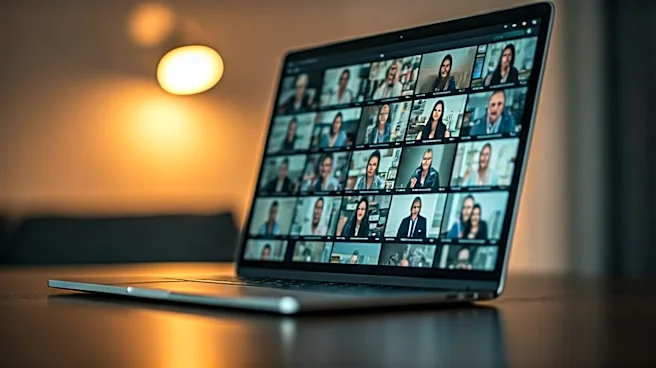
Let’s start with the most direct parallel. HBO's docuseries investigating the NXIVM cult is a story that unfolds, in large part, through screens. So much of the drama, manipulation, and eventual reckoning is captured via video calls, FaceTime conversations, and self-recorded vlogs. Former members connect over Zoom to compare notes, process trauma, and strategize. The series masterfully uses this screen-mediated footage not just as evidence, but as a core storytelling device. It mirrors the way we now experience major life events: through a grid of faces on a laptop. Watching *The Vow* feels like being a silent participant in the most intense series of conference calls imaginable, where the stakes are not a quarterly report, but personal freedom.
For the Unfiltered Confession: Flee
While visually an animated film, the emotional core of *Flee* is a series of deeply personal interviews, a format that echoes the profound intimacy of a one-on-one video call. The film documents the true story of Amin, a man sharing his harrowing journey as a refugee from Afghanistan for the first time. The director, a close friend, uses animation to protect Amin's identity and visualize memories he cannot show. But the foundation is the audio of their conversations. Amin is lying on a couch, unburdening himself. The setup creates a safe, contained space—much like a screen can—for a story that is too painful to tell face-to-face. It captures the essence of a Zoom call's best-case scenario: a portal for genuine, vulnerable human connection, even when physical presence is impossible.
For the DIY Scrapbook Feel: Tarnation
Long before we were all curating our lives on Instagram or making TikToks, director Jonathan Caouette created *Tarnation*. Assembled for a reported budget of just $218 on an old version of iMovie, this 2003 film is a chaotic, deeply moving collage of his own life. Using two decades of home videos, answering machine messages, and self-shot footage, Caouette pieces together a portrait of his fractured family and his own struggles with mental illness. The film is the aesthetic opposite of a polished Hollywood documentary. It's messy, raw, and almost overwhelmingly personal—like getting a link to someone’s entire private family server. It’s the ancestor of the Zoom-era mindset: your personal archive is the story, and the most powerful tool you have is the 'record' button.
For the Fly-on-the-Wall Awkwardness: American Movie
Before you could mute your mic, there was just… awkward silence. Chris Smith’s 1999 masterpiece, *American Movie*, is a tribute to that unscripted space between words. The film follows aspiring indie filmmaker Mark Borchardt in his quest to finish his low-budget horror film, *Coven*. There’s no narrator, no slick graphics. The camera simply watches Mark, his family, and his long-suffering friends in their natural habitat: a cluttered Wisconsin basement. The film finds its comedy and its profound heart in the mundane, capturing the stilted conversations, the misguided creative passion, and the quiet moments of despair. It feels like being an unobserved participant in someone else's life—the ultimate fly-on-the-wall experience that every long, meandering Zoom call has prepared you for.