







It’s Not About the Hardware, It’s About the Software
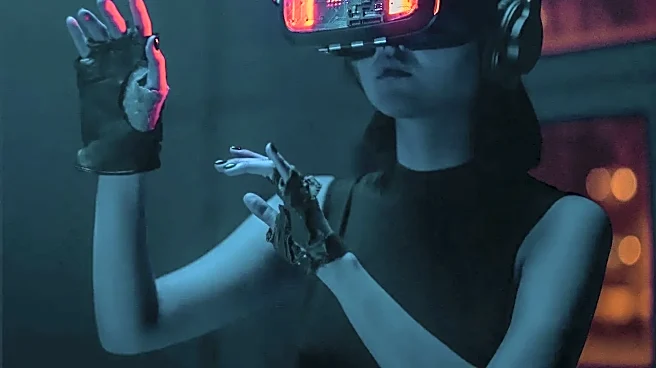
Imagine buying the most advanced gaming console ever built, only to find it has just three games. That's the reality for many haptic accessories today. A glove can have 133 points of microfluidic pressure and eight pounds of force feedback, but if no
software is designed to speak its language, it's just an expensive paperweight. The hidden detail isn't the quality of the sensation, but the availability of experiences that can generate it. The market is fragmented, with companies like HaptX, bHaptics, and others all using their own proprietary software development kits (SDKs) and APIs. This means a game developer has to do custom work for each specific glove they want to support, a costly and time-consuming process. Unlike the standardized rumble in a PlayStation or Xbox controller, there's no universal 'plug-and-play' for advanced haptics, leaving users with amazing hardware and a frustratingly small library of compatible apps.
The 'Fidelity Gap': Vibration vs. True Touch
Product reviews often use the word 'haptics' as a catch-all term, blurring the line between two very different experiences: vibrotactile feedback and force feedback. Most consumer-grade accessories, like haptic vests or lower-cost gloves, use vibration motors—essentially more sophisticated versions of the rumble pack in a game controller. They can simulate texture and impact by buzzing in different patterns and intensities. While immersive, this isn't the same as feeling the shape, weight, and resistance of a virtual object. True force feedback, found in high-end gloves like those from HaptX or SenseGlove, uses exoskeletal components, cables, or air bladders to physically stop your fingers from passing through a virtual object or to simulate its weight. This is the technology that delivers on the promise of 'touch'. But because these systems are complex and costly, they are mostly aimed at enterprise and professional training markets, not mainstream gamers. Reviews that conflate simple vibration with true force feedback create a 'fidelity gap,' leading to mismatched expectations for consumers.
The Lonely World of a Niche Accessory
For any new piece of hardware to succeed, it needs a thriving ecosystem of developers creating content for it. This is the central challenge for the entire haptic glove market. While companies like Meta are creating standardized haptic libraries for their own controllers to ensure consistency, the broader accessory market remains a Wild West. Developers are a pragmatic group; they will invest their time where the audience is. It's much safer to develop a game for millions of standard VR controllers than for the few thousand users who own a specific, high-end haptic glove. Some companies like bHaptics offer tools to make integration easier, but it's still an extra step that many studios, especially smaller ones, are hesitant to take. This creates a classic chicken-and-egg problem: consumers won't buy the gloves until there's enough content, and developers won't make the content until there's a large enough consumer base.
Beyond the 'Wow': Comfort and Long-Term Use
A demo that feels incredible for five minutes can become a nuisance over a two-hour gaming session. Practicality is another crucial detail that initial reviews often overlook in favor of the 'wow' factor. Questions of long-term comfort, heat dissipation, and ease of use are paramount. Some gloves require inner liners that need washing, while the devices themselves do not. Others can have connectivity issues or tracking drop-outs depending on battery level or even conflicts with other software running on a PC. The calibration process can be tedious, and what works for one person's hand size might be uncomfortable for another. These aren't the exciting, futuristic details that make for a splashy headline, but they are the factors that determine whether a revolutionary new accessory becomes an integral part of your virtual experience or gets relegated to a drawer after a few weeks.