




The Unswipable Champion
For the better part of a decade, investing in Match Group felt like one of the safest bets in technology. The company owned a dominant portfolio of the world's most popular dating apps, including the cultural juggernaut Tinder, the relationship-focused
Hinge, and legacy platforms like OkCupid and Match.com. Its business model was simple and effective: build a massive user base and convert a fraction of them into paying subscribers for premium features. Wall Street analysts were overwhelmingly bullish, viewing the company as a growth machine with a deep moat. The global shift toward digital matchmaking was an unstoppable tailwind, and Match Group was the primary beneficiary. The narrative was that as long as people sought connection, Match Group would profit. This widespread confidence made the stock a darling, with many analysts rating it a consistent 'Buy'.
The Great Unraveling
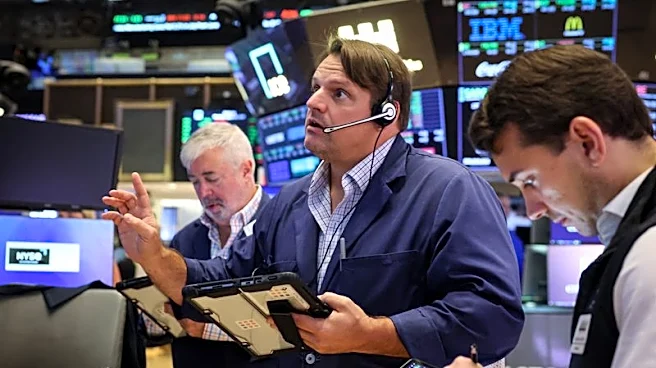
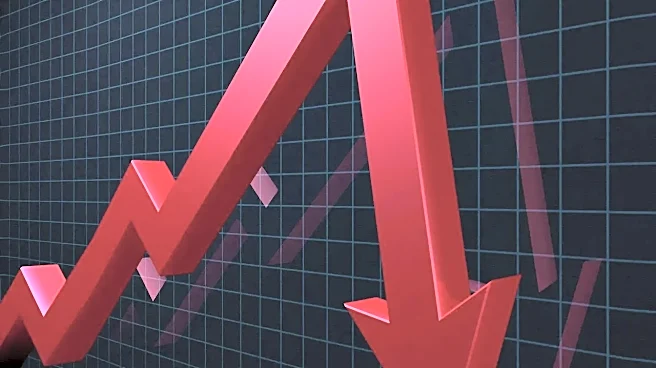
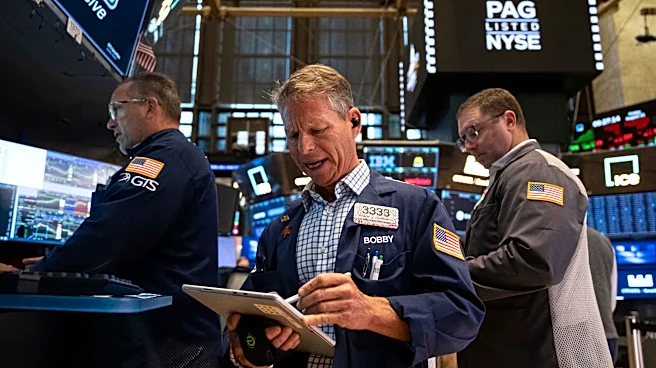
The perception of invincibility shattered in 2022. The trouble began in August when the company reported disappointing second-quarter results and announced the departure of Tinder’s CEO, signaling deep issues at its flagship brand. The stock plunged over 20% that month alone. But the main event occurred in November, following a third-quarter earnings report that delivered a weak forecast, sending shockwaves through the market. It confirmed investors' worst fears: the growth engine was sputtering. This wasn't a minor dip; it was the start of a historic downturn that saw the stock's value plummet, hitting all-time lows in 2023. The crash was so severe because it wasn't just a market correction; it was a fundamental re-evaluation of a company that, for years, could seemingly do no wrong. The 'sure thing' had suddenly become a massive liability.
Why the Sure Bet Suddenly Failed
The collapse wasn't caused by a single issue, but a perfect storm of problems. The biggest factor was the stagnation of Tinder. The app, which accounts for more than half of Match Group's revenue, was facing a crisis of relevance. User growth had stalled, product innovation was lackluster, and a phenomenon known as “dating app fatigue” was setting in, especially among its core demographic of young users. Furthermore, price hikes were alienating some users without delivering enough new value. While these issues festered, the company's profitability was also hit by a significant write-down on its expensive acquisition of the Korean tech firm Hyperconnect. The problems were compounded by a strengthening U.S. dollar, which hurt the value of its large international revenue streams. Wall Street's models, built on the assumption of perpetual growth from Tinder, were simply not prepared for this reality.
A Company in Search of a Second Date
Fast forward to today, and Match Group is a company in transition. The story is now one of two very different apps. Hinge has become the company's undisputed star, consistently posting strong revenue and user growth. However, Tinder remains the central challenge. The company is betting heavily on a product-led turnaround, rolling out AI-powered features and redesigns aimed at improving the user experience and making better matches. Recent financial reports from 2026 paint a mixed picture: profitability and margins are surprisingly strong, but overall revenue and the number of paying users continue to decline, largely due to Tinder's ongoing weakness. Analysts remain divided. While some see a deeply undervalued company on the cusp of a turnaround, others view it as a potential value trap, warning that no amount of AI can fix a fundamental decline in user interest.