








The Miracle on Stage
To the audience at Macworld 2007, and the millions watching online, the first iPhone demonstration was a masterclass in technological revelation. Steve Jobs, in his signature black turtleneck, orchestrated a 90-minute presentation that showed a device
seamlessly browsing the web, playing music, and making calls. He famously ordered 4,000 lattes from a nearby Starbucks with a prank call, and the crowd roared. The performance was so smooth, so confident, it seemed as if the future had simply arrived, fully formed. Jobs called it a product that “changes everything,” and from the outside, it looked every bit the part. The slick presentation cemented the iPhone's legendary status months before a single unit was sold. But for the engineers in the audience, the demo wasn’t a triumph; it was a tightrope walk over a canyon of failure.
The Unstable Reality
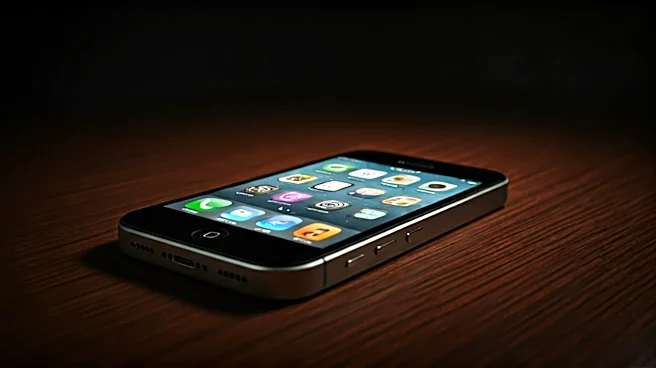
In reality, the iPhone prototype Jobs held on stage was a mess. With only about 100 units in existence, all of varying quality, the device was nowhere near ready for a live, unscripted demonstration. The software, still in development, was incredibly buggy. The phone had a mere 128MB of memory and would frequently run out, causing it to crash and require a restart. It could play a portion of a song or video, but rarely a full one. Certain sequences of actions were guaranteed to cause a crash; sending an email before surfing the web might work, but reversing the order was a gamble. The Wi-Fi was unreliable, and the cellular radio software was prone to dropping connections. In over 100 rehearsals, Jobs had almost never made it through the full 90-minute demo without a significant glitch.
The ‘Golden Path’ Decision
This is where the hidden decision came in. Faced with a revolutionary but unstable product, Apple's leadership chose not to scale back the presentation or use a canned video. Instead, they decided to create a grand illusion. Engineers spent countless hours mapping out what they called the “golden path”: a specific, rigid sequence of tasks that Jobs had to follow perfectly to minimize the chances of a crash. He couldn’t deviate. Every tap, every swipe was choreographed. To manage the memory issue, Jobs had several iPhone prototypes on the lectern; he would subtly switch devices during the presentation to use a fresh one while another was being secretly restarted backstage. The decision was to present an idealized version of the iPhone, betting that the sheer force of the vision would carry them through until the real product was ready.
Engineering an Illusion
The fakery went beyond just the sequence of tasks. To ensure a perfect connection, Apple didn't leave anything to chance. They collaborated with AT&T (then Cingular) to install a portable cell tower at the venue to guarantee a strong signal for the pivotal live call. But even that wasn't enough to calm the engineers' nerves. The radio software was so fragile that it might restart, revealing the glitch on the big screen. The solution? With Jobs's approval, the engineers hard-coded the demo units to always display a perfect five bars of signal strength, regardless of the actual connection. They also configured a Wi-Fi network to run on a frequency not normally used in the U.S. to prevent audience members from interfering. Every potential point of failure was meticulously managed, not by fixing the bugs, but by hiding them in plain sight.
The Scotch-Fueled Aftermath
In the front rows of the auditorium, a small group of Apple engineers, including senior manager Andy Grignon, watched the presentation with a flask of Scotch. They were so sure the demo would fail that they took a celebratory shot after each segment that Jobs completed successfully. By the end of the 90 minutes, as Jobs took his final bow to thunderous applause, they had drained the flask. They had witnessed what one engineer called “practically a miracle.” The decision to move forward with a high-wire, semi-fictional demo was an enormous gamble. Had the phone crashed, or the illusion been broken, the iPhone could have been perceived as vaporware, tarnishing Apple's reputation and potentially killing the project. Instead, the perfectly executed showmanship created a tidal wave of hype and desire that carried the iPhone to a successful launch six months later, changing the business of technology forever.