





A World of 'Intel Inside'
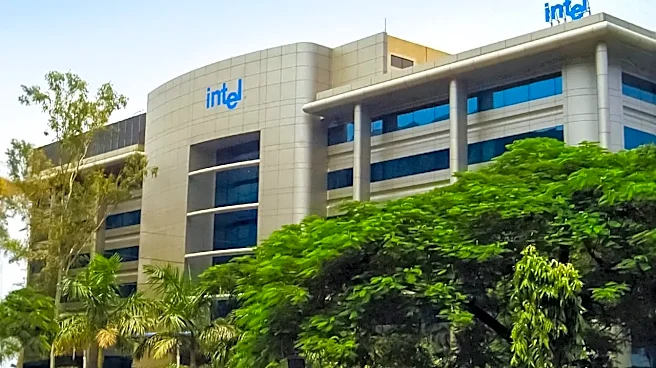
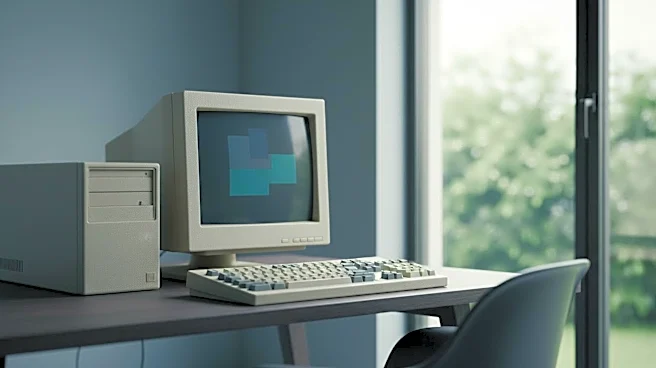
To understand the magnitude of the misstep, you have to remember the world before the iPhone. In the early 2000s, Intel was on top of the world. The company's partnership with Microsoft, dubbed "Wintel," created a duopoly that dominated the personal computer
market. The iconic "Intel Inside" jingle and sticker were symbols of computing power and quality. Intel's business model was built on producing powerful, high-performance processors for desktops and laptops, and it did so with immense profit margins. The company’s entire focus was on making chips faster and more powerful, a strategy that had made it a titan of the industry. Its x86 architecture was the undisputed standard for PCs. At this point, the idea of a handheld device having the power of a computer was still more fantasy than reality, and Intel’s roadmap reflected its PC-centric universe.
The Offer from Cupertino
Around 2005, a secretive Apple, fresh off the success of the iPod, approached Intel with a monumental opportunity. Steve Jobs wanted Intel to create the processor for a new, unannounced device: the iPhone. The two companies already had a working relationship; Intel was in the process of replacing IBM's PowerPC chips in Apple's Mac computers, a major victory celebrated by Intel CEO Paul Otellini. But the iPhone was a different beast. It required a chip that was not only powerful but also incredibly power-efficient to preserve battery life. This was a departure from Intel's core competency of high-power, high-margin desktop CPUs. Apple came to the table with a specific request: a chip at a set price, with no room for negotiation.
The Billion-Dollar 'No'
Paul Otellini and his team ran the numbers. Apple's proposed price per chip was lower than what Intel projected it would cost to manufacture. Furthermore, no one—not even Apple, it seemed—could accurately predict the sheer volume the iPhone would eventually sell. Based on the data at hand, the deal didn't make financial sense. Intel's entire business was structured around high-margin chips, and the iPhone processor looked like a low-margin distraction. Otellini passed on the deal. In a later interview, Otellini admitted his gut told him to say yes but the data-driven culture at Intel led him to decline. "In hindsight, the forecasted cost was wrong and the volume was 100x what anyone thought," he would later reflect.
The Rise of ARM and the Aftermath
After being turned down by Intel, Apple turned to processors based on a different architecture from a British company called Arm Holdings. Unlike Intel's complex and power-hungry x86 designs, ARM's RISC-based architecture was simpler, cheaper to license, and extremely power-efficient—perfect for a mobile device. Apple licensed the design and partnered with Samsung to fabricate the chips. The iPhone, launched in 2007, was a revolutionary success, and it single-handedly created the modern smartphone market. This market exploded, selling billions of units. Intel, the king of the PC chip, was left watching from the sidelines. Its architecture was effectively locked out of the fastest-growing technology sector in history, while ARM-based designs from companies like Qualcomm, Samsung, and eventually Apple itself came to dominate mobile computing.
A Legacy of What Might Have Been
Intel's failure to get into the iPhone wasn't just a missed sale; it was a strategic blunder that defined the company for the next decade. The company spent billions trying, and ultimately failing, to break into the mobile market with its Atom processors. By the time it had something competitive, the market was already sewn up. The decision ceded the mobile revolution to a new set of players and allowed competitors like TSMC, which manufactured chips for Apple and others, to grow into an industry powerhouse. Current Intel CEO Pat Gelsinger has cited the company's failed smartphone business as one of its three greatest failures. The quiet decision to say no to Apple in the mid-2000s was not just about one product; it was about failing to see the future. It stands as a stark lesson in how even the most dominant companies can be reshaped by a single decision rooted in the logic of yesterday.