



The Post-Smartphone Promise
For years, the tech world has been searching for the next big thing after the smartphone. The prevailing theory was that we’d move from staring at screens to a more seamless, “ambient” computing experience where AI assistance is all around us, ready when
we need it. The first generation of dedicated AI wearables, like the Humane Ai Pin and the Rabbit R1, represented the boldest attempt to make this vision a reality. Pitched by charismatic founders, often with pedigrees from companies like Apple, these devices promised to free us from our digital prisons. They were supposed to be screenless companions that could order a car, translate a conversation, or summarize our day with a simple voice command, allowing us to stay present in the world. This wasn't just about shrinking a phone; it was about creating a whole new way to interact with technology.
A Brutal Collision with Reality
The dream, however, quickly dissolved upon launch. The Humane Ai Pin, a $699 clip-on device with a monthly subscription, was met with scathing reviews for being slow, hot, and often incorrect. Its signature laser-projection display was unreadable in daylight, and its core functions were unreliable. The company eventually discontinued the device and sold its intellectual property. The Rabbit R1, a cheaper $199 handheld gadget, fared slightly better by virtue of surviving, but it also launched with barely any of its promised capabilities, leading one prominent reviewer to label it "barely functional." While Rabbit continues to issue software updates, the device still struggles to do things your phone can already do better. These failures weren't just about buggy version-one products; they exposed a fundamental miscalculation.
The Search for a Job
This brings us to the real problem nobody has solved: What is an AI wearable actually for? The most successful products don't just add new features; they do a specific "job" better than anything else. A smartphone succeeded because it replaced your camera, iPod, GPS, and rolodex. An Apple Watch found its footing when it focused on becoming a best-in-class fitness and health tracker. The first AI wearables, in their ambition to do everything, failed to do any one thing well. They were positioned as smartphone replacements, a standard they could never meet. A modern phone has a massive ecosystem of mature apps, a high-resolution screen for complex tasks, and a decade of user familiarity. A small, screenless device with a laggy connection and a limited AI can’t compete. Without a clear, compelling reason to exist—a single, crucial task it performs 10 times better than a phone—an AI wearable is just an expensive, underpowered accessory. This is the job-to-be-done problem, and it remains completely unsolved.
Is Ambient the Real Answer?
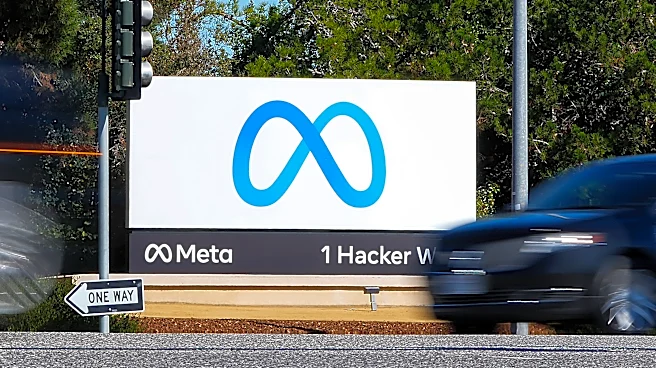
Perhaps the mistake was thinking the answer was another standalone gadget. The true goal of many in this space is "ambient computing," where intelligence is woven into the environment rather than being housed in a single device. This suggests the future isn't a pin or a puck, but smarter software in the things we already wear, like glasses and earbuds. Meta’s Ray-Ban smart glasses, for instance, add AI features to a familiar form factor, making them a companion to a phone, not a replacement. This approach lowers the stakes. Instead of asking a user to ditch their phone, it offers a hands-free tool for specific moments when pulling out a phone is inconvenient. The challenge then becomes less about building a revolutionary new device and more about making the AI itself reliable, context-aware, and trustworthy enough to be a useful assistant. Until that happens, the hardware it lives in is almost irrelevant.