






An Idea Born from Dispatch
The concept behind Twitter didn’t emerge in a boardroom; it came from a fascination with the short, staccato updates of taxi dispatchers and emergency services. In the early 2000s, a young Jack Dorsey was captivated by the elegance of sharing your 'status'—what
you were doing and where you were—in a simple, public way. He sketched out early versions of a service that would let users do just that from their phones. The idea, however, remained dormant for years. It was too weird, too simple, and lacked an obvious purpose. It would take a failing podcasting company named Odeo to give this strange seed a place to sprout.
A 'Useless' Toy for Narcissists
In 2006, Odeo was in trouble. Apple had just announced that iTunes would include podcasts, effectively crushing Odeo’s business model overnight. In a desperate search for a new direction, CEO Evan Williams encouraged employees to pitch their wildest ideas in hackathons. Dorsey, alongside engineer Noah Glass, resurfaced the status-update concept. They built a prototype called “twttr,” a nod to the five-character length of American SMS short codes. The pitch to Odeo’s board and investors was met with confusion and outright mockery. Why would anyone care what you ate for lunch? It seemed self-indulgent, frivolous, and, most damningly, it had no clear path to revenue. It was a feature, not a company; a toy, not a tool.
The South by Southwest Breakout
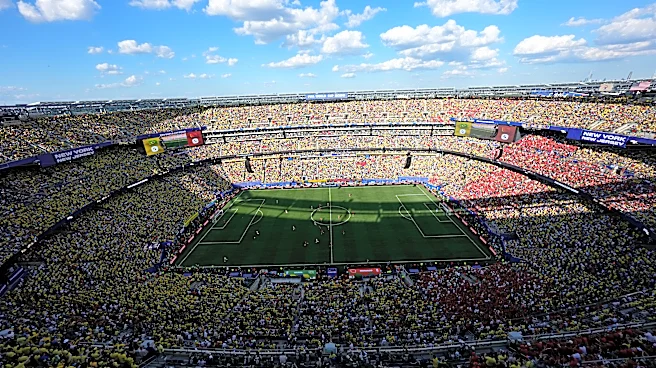
Despite the skepticism, Dorsey and a small team were allowed to continue developing Twitter as a side project. The service gained a cult following inside Odeo, where employees found themselves strangely addicted to the constant, low-friction stream of updates from their colleagues. They were discovering its true power: ambient awareness. The real turning point, however, came in 2007 at the South by Southwest (SXSW) Interactive festival in Austin, Texas. The Twitter team set up large screens in the hallways displaying a real-time feed of tweets from festival-goers. People used it to find parties, share tips on panels, and connect with strangers. Usage exploded from 20,000 tweets per day to 60,000. For the first time, outsiders saw what the insiders had felt: Twitter wasn’t about broadcasting your sandwich; it was about connecting a crowd.
Proving the Business Case by Accident
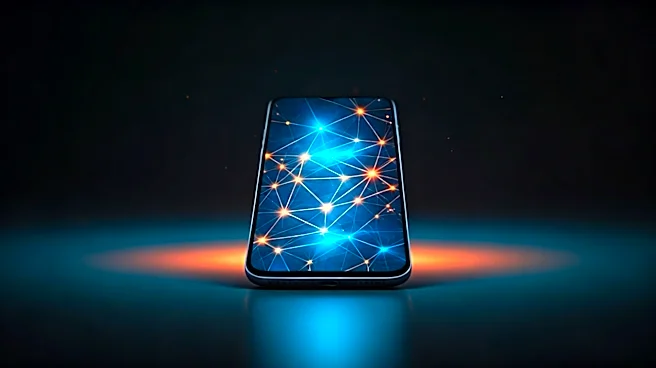
The SXSW moment proved that user behavior could validate an idea far more powerfully than any PowerPoint deck. The investors who had scoffed were forced to reconsider. Twitter wasn't just a platform for personal updates; it was a real-time information network. When earthquakes struck, news broke on Twitter first. When protests erupted, activists organized on Twitter. The platform’s value wasn’t in any single tweet, but in the collective, emergent intelligence of the network itself. The business model would eventually come—promoted tweets and data licensing—but the company was built not on a financial projection, but on the undeniable force of a product that people simply wouldn’t stop using. The very “uselessness” that investors mocked was its greatest strength; its lack of a prescribed purpose allowed users to define its value for themselves.