






The Dorm Room Operation
In 1984, the personal computer industry was a world of giants like IBM, who sold pre-built machines through a network of retailers. Each middleman added a markup, so by the time a computer reached a customer, its price was significantly inflated. Meanwhile,
in his dorm room at the University of Texas, a 19-year-old pre-med student named Michael Dell saw a massive inefficiency. He began buying stock PCs, upgrading them with better components, and selling them to locals. His startup, initially named PC's Limited, was born from a simple observation: he could offer more powerful machines for less money by cutting out the retail channel. The business was an immediate local hit, quickly earning him tens of thousands of dollars a month from his dorm.
Meet the Turbo PC
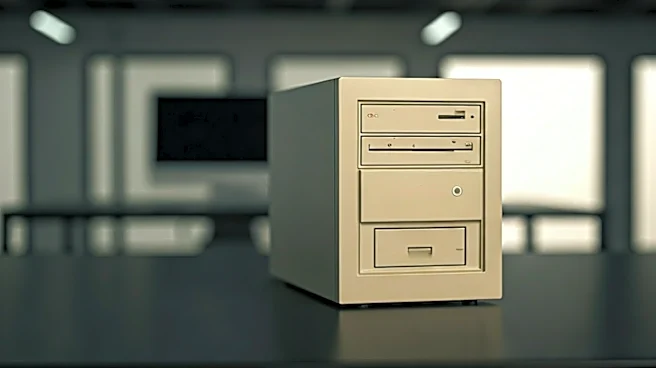
After dropping out of college to focus on his company, Dell released his first self-branded machine in 1985: the PC's Limited Turbo PC. Priced at $795, it was an IBM-compatible clone featuring an Intel 8088 processor that could run faster than IBM's own models. Sold through mail-order catalogs and magazine ads, the Turbo PC was a solid machine that delivered on the core promise of more power for less money. By all conventional metrics, it was a success. The company grew rapidly, going public in 1988 and expanding internationally. So, if the product itself sold well and the company thrived, where does the idea of failure come from?
A Brush with Retail's Reality
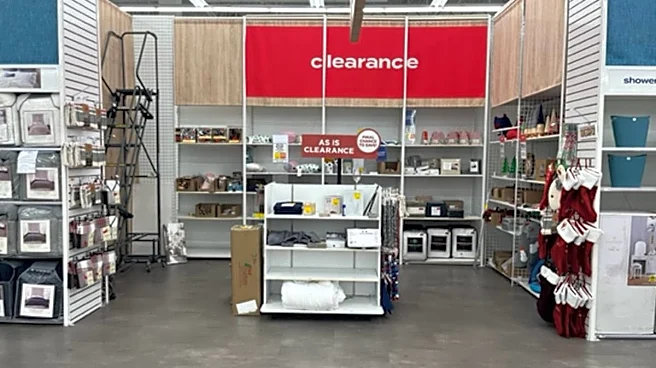
The "failure" wasn't about the product; it was about a brief, ill-fated experiment with the very business model Dell had set out to destroy. As the company grew, it faced pressure to expand its reach. In the early 1990s, Dell made a move that seemed logical at the time: it started selling its computers through big-box retail stores. But the company quickly found that its core advantage disappeared on store shelves. In the retail environment, Dell was just another box among many, unable to offer the deep customization that defined its direct-sales appeal. The model created channel conflict and diluted the brand's unique proposition. It was a strategic misstep. Michael Dell recognized it quickly, and within about a year, he pulled the plug on the retail experiment.
The Pivot That Changed Everything
This retail 'failure' was the crucial lesson that solidified Dell's iconic strategy. It proved that the company's power didn't just come from building good computers, but from its direct relationship with the customer. By abandoning the middlemen for good, Dell doubled down on what would become the "Dell Direct Model." This build-to-order system was revolutionary. Customers would call or, later, use the internet to order a PC with the exact specifications they wanted. Dell wouldn't build the machine until the order was placed and paid for. This eliminated the risk and cost of unsold inventory, boosted cash flow, and gave Dell invaluable data on customer needs. While competitors like Compaq struggled with warehouses full of aging PCs, Dell operated a lean, efficient machine that became the envy of the industry.