






The Siren Song of the Flashy Demo
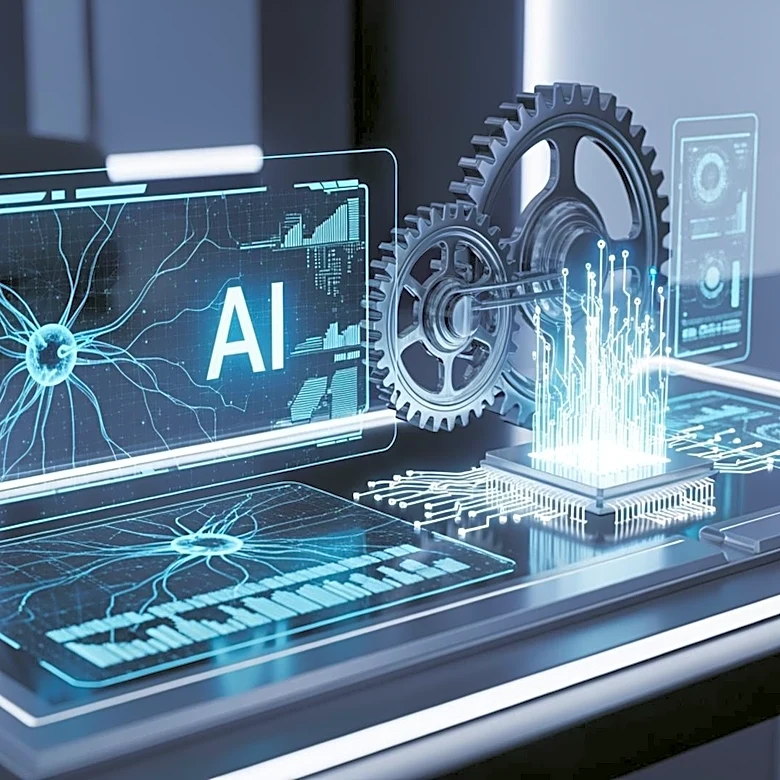
The current tech landscape is dominated by the AI spectacle. We see generative models creating entire worlds from a text prompt, chatbots writing code, and digital assistants promising to be our all-knowing oracles. The pressure to deliver a “wow” moment
is immense. Companies are pouring billions into creating the most human-like, capable, and frankly, loudest AI. This is the race to build a killer app—a single, undeniable reason for customers to choose one ecosystem over another. But this approach has its limits. A powerful chatbot is impressive, but how often do you truly need to write a sonnet in the style of Shakespeare about your cat? A stunning image generator is fun, but is it a daily-use tool? This focus on performative AI often misses the point of personal computing: to make our lives easier, more productive, and more connected in small, meaningful ways. It treats AI as a destination you visit, rather than a current that runs through everything you do.
Apple’s Playbook: The Art of Integration
Apple has never been first to a new technology; it aims to be the first to get it right. From the GUI to the MP3 player to the smartphone, its strategy has always been to take a complex, often clunky technology and integrate it so seamlessly into the user experience that it feels like magic, not work. The original iPhone didn’t invent the internet, but it made it accessible in your pocket in a way that felt effortless. This philosophy is poised to define its approach to artificial intelligence.
Looking back at the groundwork laid with “Apple Intelligence” in 2024, the company’s direction is clear. It’s not about building a standalone “Apple AI” app that you open to ask questions. It’s about weaving intelligence into the very fabric of the operating system. It’s about Siri understanding context across apps, your Photos app intelligently curating memories, and Mail summarizing long threads without you ever hitting a “summarize” button. The goal isn’t to show you the AI; it’s to make the entire device smarter.
Meet the Feature You Won't See
So, what is this killer feature for WWDC 2026 that you’ll barely notice? It’s proactive, context-aware assistance. It’s an AI that anticipates your needs before you even articulate them. Imagine this: you get a text from your partner saying, “I’m running late, can you pick up the kids?” Before you can even switch apps, a notification banner appears: “Show directions to school? ETA 15 min. Tap to let them know.”
This single, fleeting interaction is powered by a cascade of invisible AI. The system understood the intent of the message, knew who “the kids” were from your contacts, knew their school’s location from your calendar or maps history, calculated the travel time, and drafted a context-appropriate reply. You didn’t ask for it. It just happened. This is the opposite of the chatbot model. It’s not a conversation; it’s a silent, helpful partner that smooths the rough edges of your day. It’s the device adapting to you, not the other way around.
Why Subtle Is the Ultimate Power Move
This “invisible” approach is Apple’s trump card for several reasons. First, it plays to their strengths in hardware and software integration. Because Apple controls the entire stack, from the silicon chip to the operating system, it can enable this deep level of on-device processing while respecting user privacy—a key differentiator. Much of this proactive assistance can happen right on your phone, without your data ever leaving for a cloud server.
Second, it creates a powerful ecosystem lock-in that’s far stronger than any single app. When your devices collectively learn your patterns and start to anticipate your needs, the entire system becomes more valuable than the sum of its parts. Leaving that ecosystem means losing a digital assistant that truly knows you. Finally, it’s just better design. The most advanced technology is the kind you don’t have to think about. It recedes into the background, empowering you without demanding your constant attention. The ultimate goal of personal AI isn't to create a better computer to talk to, but to make your life work better without you noticing how.