





Before Drew Houston became a billionaire CEO, he was just another aspiring founder with an idea. But the company that made him famous, Dropbox, wasn't his first. That venture, an online SAT prep course, quietly flopped—and taught him everything.
The First Swing: An SAT Prep Startup
Long before
Dropbox became synonymous with cloud storage, a 21-year-old Drew Houston, then a student at MIT, took his first shot at entrepreneurship. The company was called Accolade, an online SAT preparation service. The idea seemed sound on the surface. The SAT was changing, creating an opportunity for a new, web-based learning platform. As a driven student himself, Houston was close to the problem. He spent a summer devouring books on marketing and sales, trying to will the company into existence from the roof of his fraternity house. He even applied for the prestigious startup accelerator Y Combinator, only to be rejected without an interview. The feedback was blunt: surely, he could build something better.
The Fatal Flaw of a 'Zombie Startup'
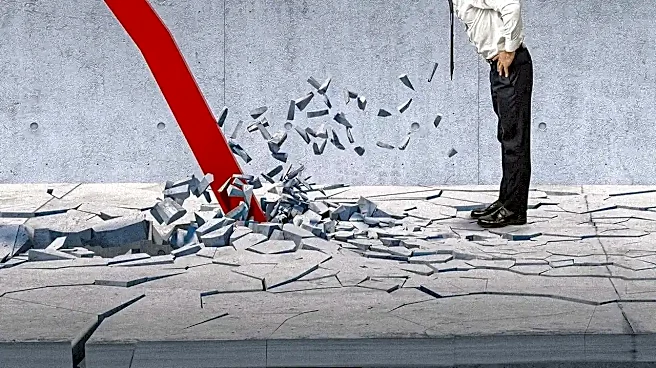
Accolade never truly failed in a spectacular, flame-out fashion. Instead, it suffered a worse fate. Houston later described it as a 'zombie startup'—a company that is neither succeeding nor truly dying. It just went sideways. The core problem wasn't the technology or a lack of effort. The market was the issue. SAT prep was a hyper-competitive field, and it was incredibly difficult to build a breakout business with a clear differentiator. More importantly, Houston wasn't solving a burning, personal pain point. He was building a solution for a market he observed, not a problem he lived and breathed every single day. This lack of personal necessity meant the startup limped along without the explosive growth needed to thrive, teaching Houston a crucial lesson about the perils of mediocrity. Failure, he learned, is better because it lets you move on. A zombie startup just drains your time and energy.
The Breakthrough Born from Frustration
The idea for Dropbox came from a place of genuine, personal frustration. While working on Accolade and other projects, Houston was constantly plagued by a simple, universal problem: he kept forgetting his USB thumb drive. Emailing files to himself was clunky, and existing online storage solutions were unreliable and unintuitive. The 'aha!' moment happened on a bus from Boston to New York when he realized he'd once again left his drive behind, leaving him unable to work. He decided then and there to build a solution for himself. The problem was real, visceral, and something he understood intimately. Unlike the abstract market opportunity of SAT prep, the need for seamless file synchronization was a daily annoyance for him and millions of others—they just didn't have a name for the solution yet.
Lessons Learned, Breakthrough Built
The failure of Accolade provided the exact blueprint for Dropbox's success. Houston famously advises founders, 'You only have to be right once'. His first venture taught him what not to do. He learned to focus on solving a worthy problem that was intensely personal. He also learned to validate his idea relentlessly before over-investing. Instead of building the entire Dropbox system, he created a simple three-minute demo video and posted it to the tech community on Hacker News. The beta waiting list exploded from 5,000 to 75,000 overnight, proving he had found a real pain point. This was the opposite of Accolade's slow march into obscurity. By building a solution to his own problem, he stumbled upon a universal one, and the success of Dropbox was built directly on the quiet, frustrating failure of the startup that came before it.